





Bi-Fold Brochures


Bi-Fold Brochures Overview
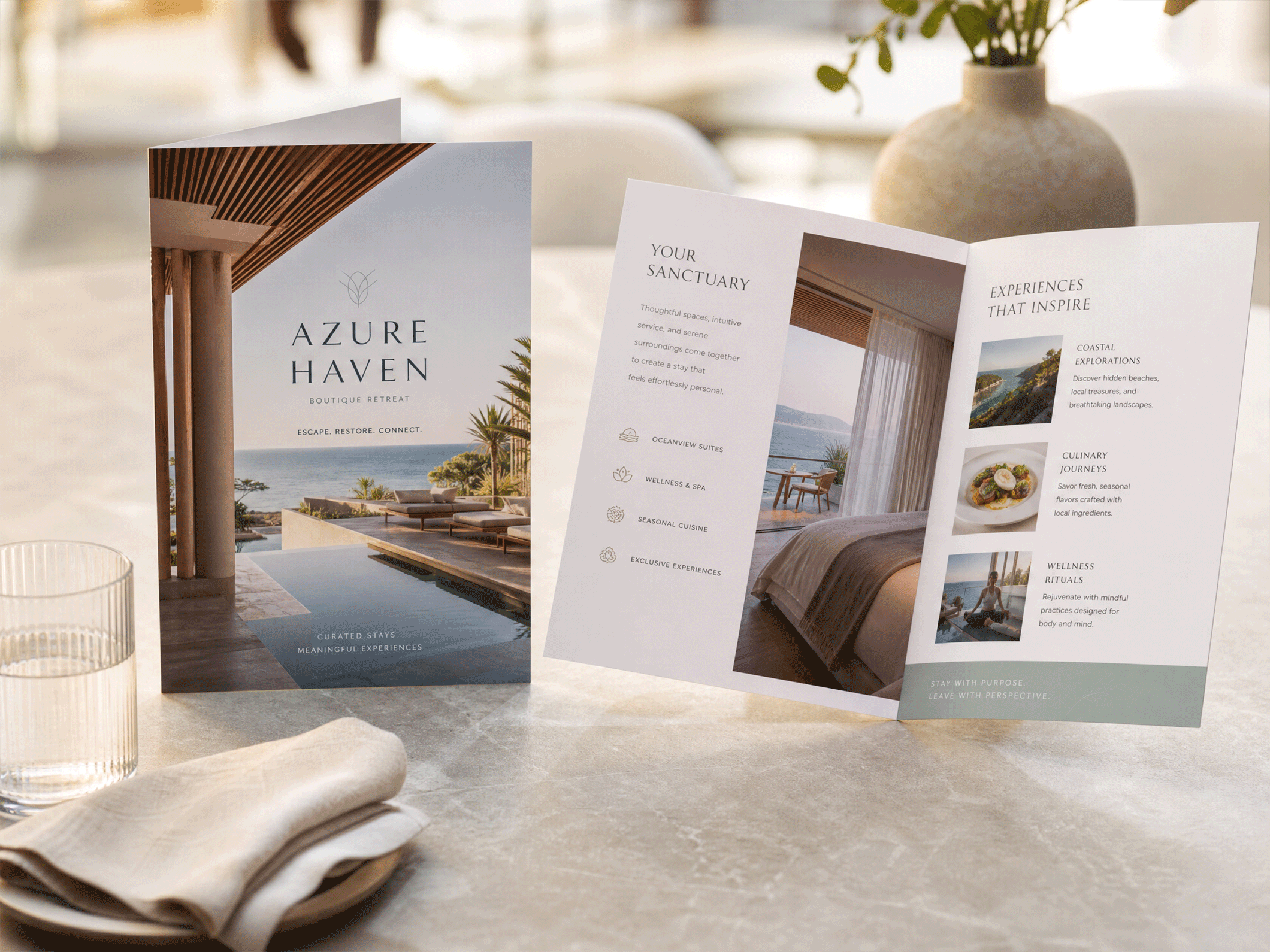
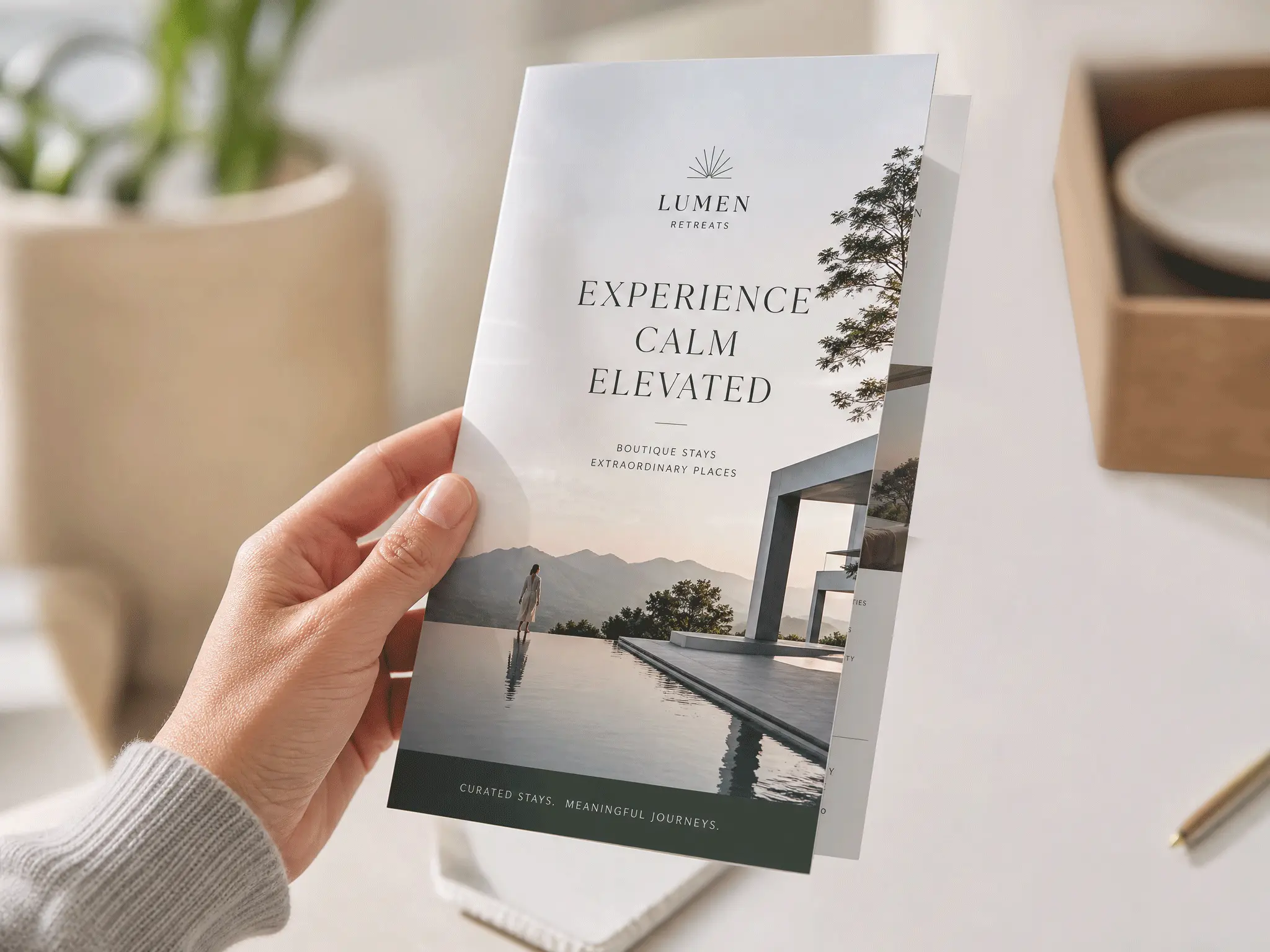
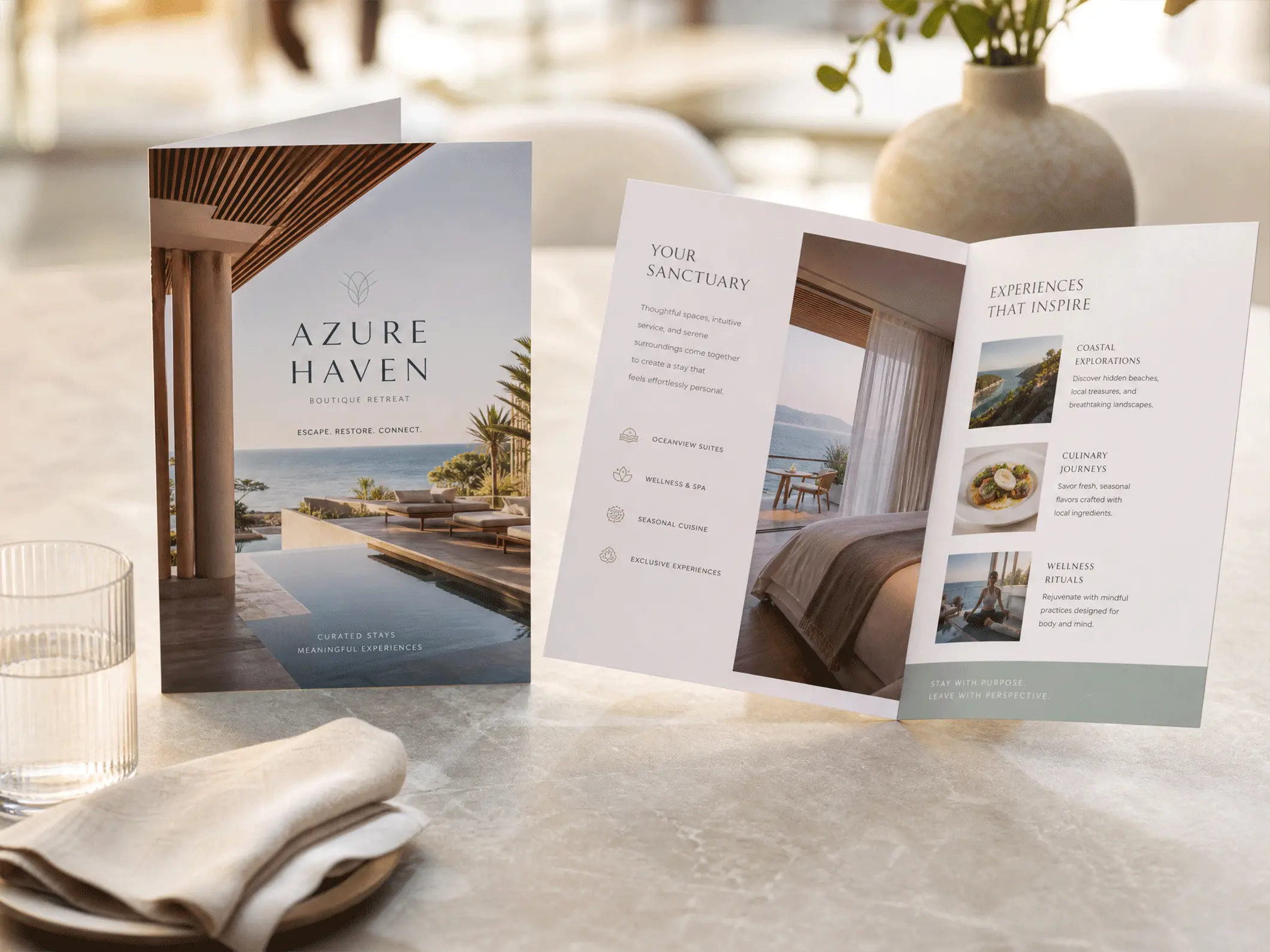
Bi-fold brochures are designed for situations where information needs to be organized clearly without overwhelming the reader. With a single center fold creating four panels, they provide a balanced layout that separates content into defined sections while maintaining a clean and professional appearance.
Compared to custom flyers, which focus on fast distribution and simple messaging, bi-fold brochures offer more structure and space for presenting information in a logical flow. If your goal is quick handouts at scale, flyers may be more suitable, but when clarity and organization matter, brochures are the better choice.
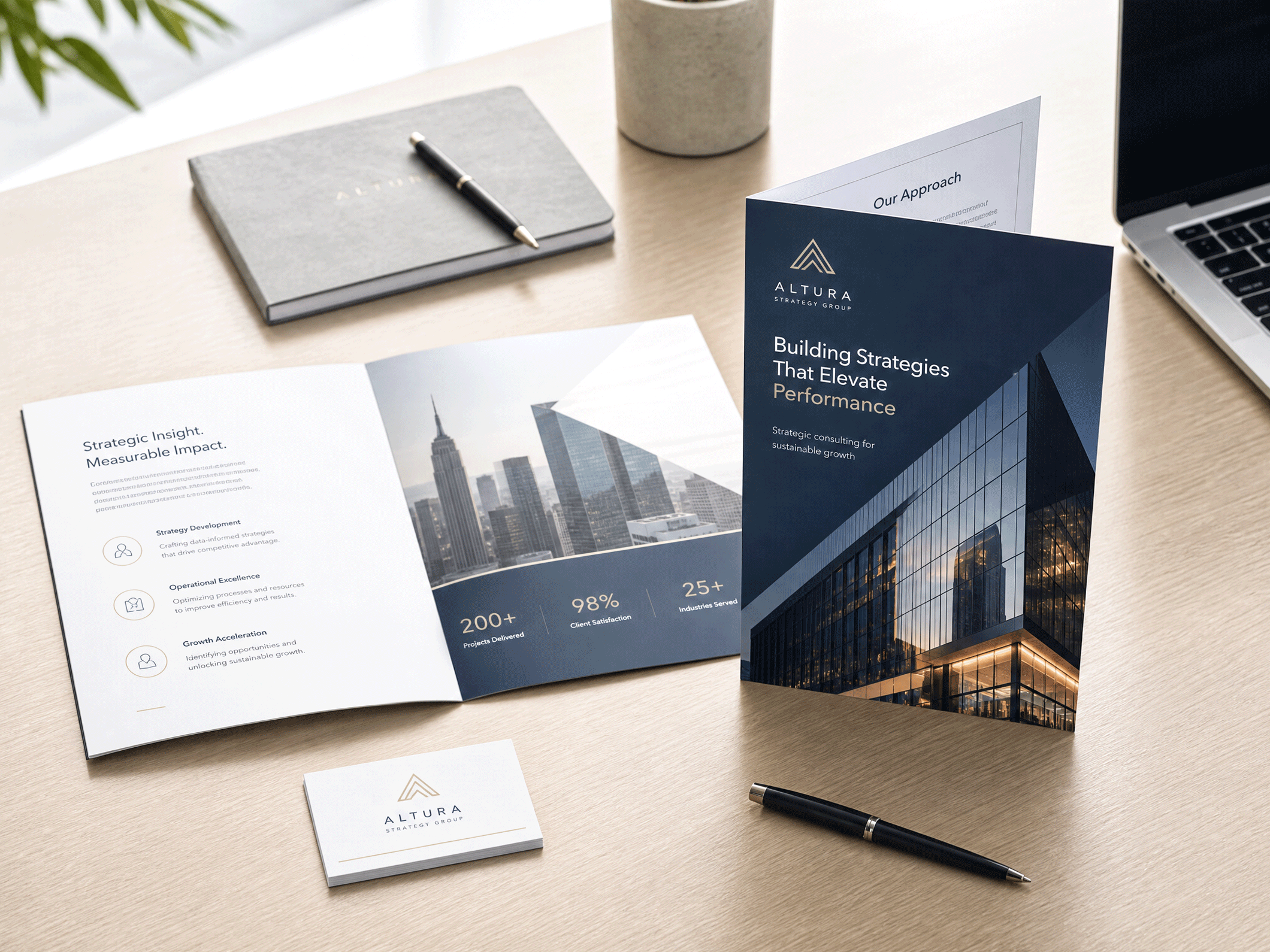
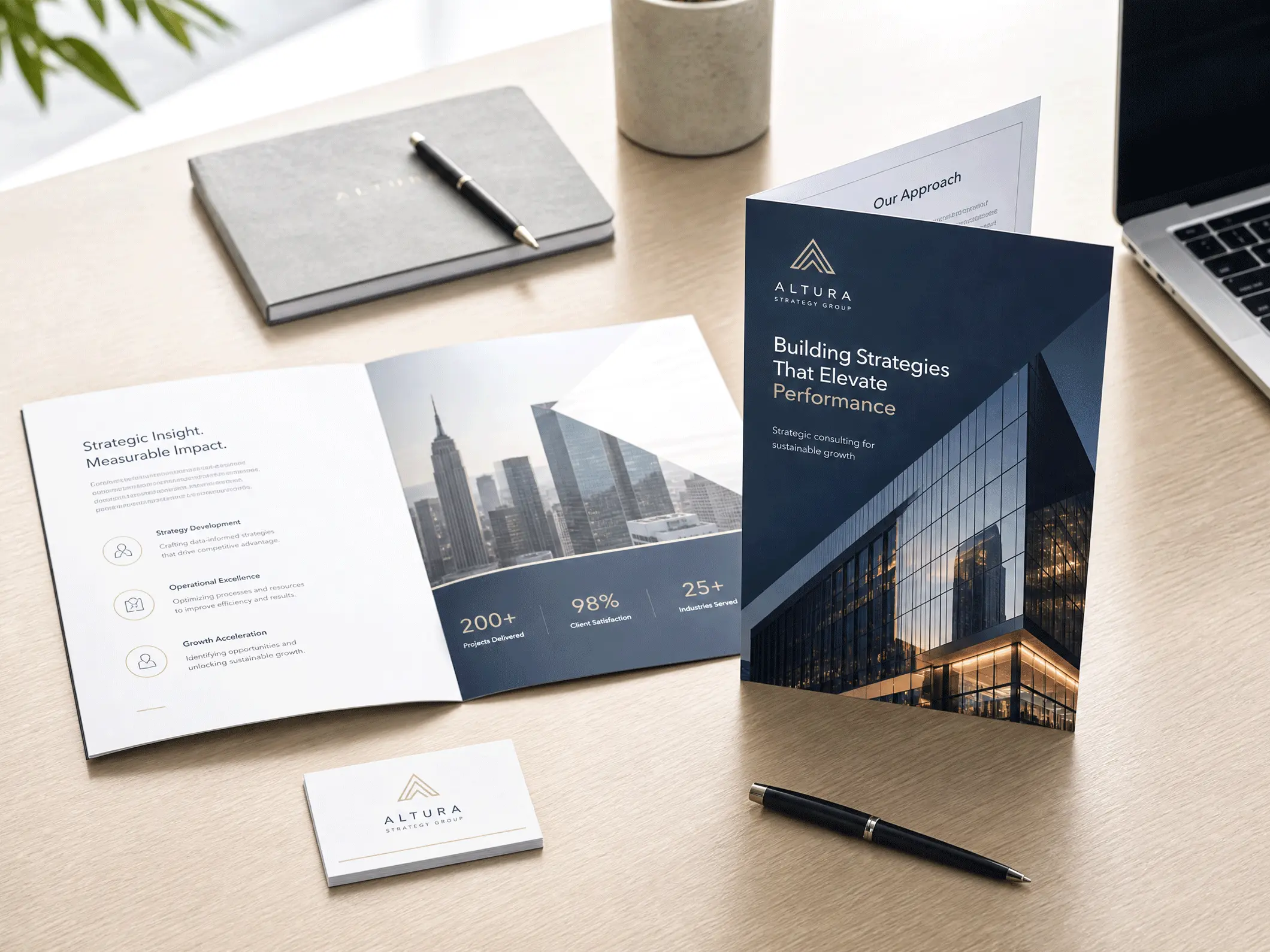
This format is widely used for company overviews, product presentations, service descriptions, and informational materials. For content that requires more pages and deeper detail, booklets & catalogs may be a more suitable option.
If your goal is to present information in a clear, organized, and easy-to-navigate format, bi-fold brochures provide a practical and effective solution.
When Should You Choose Bi-Fold Brochures
Choose bi-fold brochures when your content needs structure but not complexity. They are ideal for organizing information into clear sections without requiring multiple folds or panels.
If your message is very short or requires high-volume distribution, flyers may be sufficient. But when you need to guide the reader through information step by step, a bi-fold layout is the better choice.
Common Use Cases for Bi-Fold Brochures
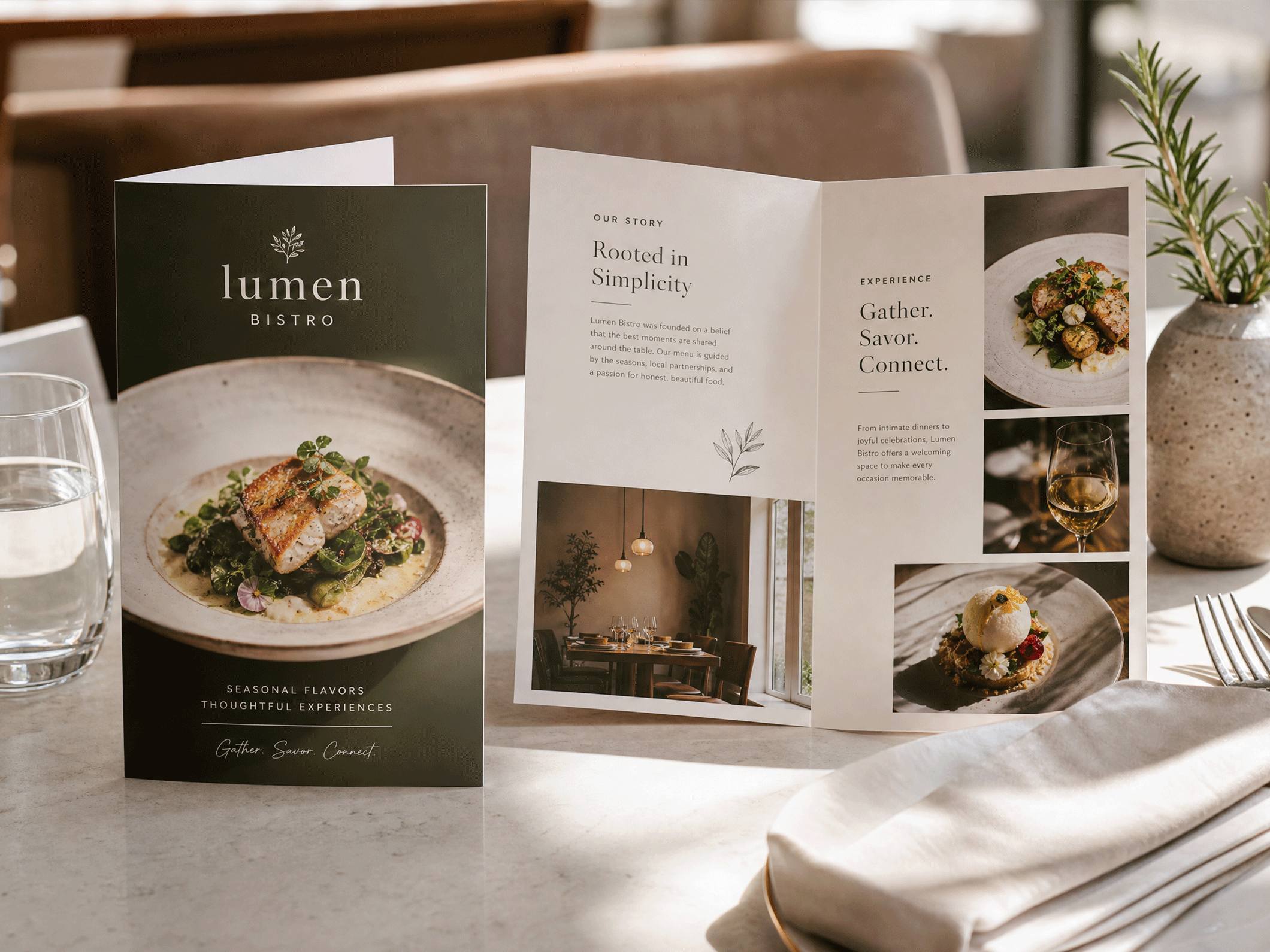
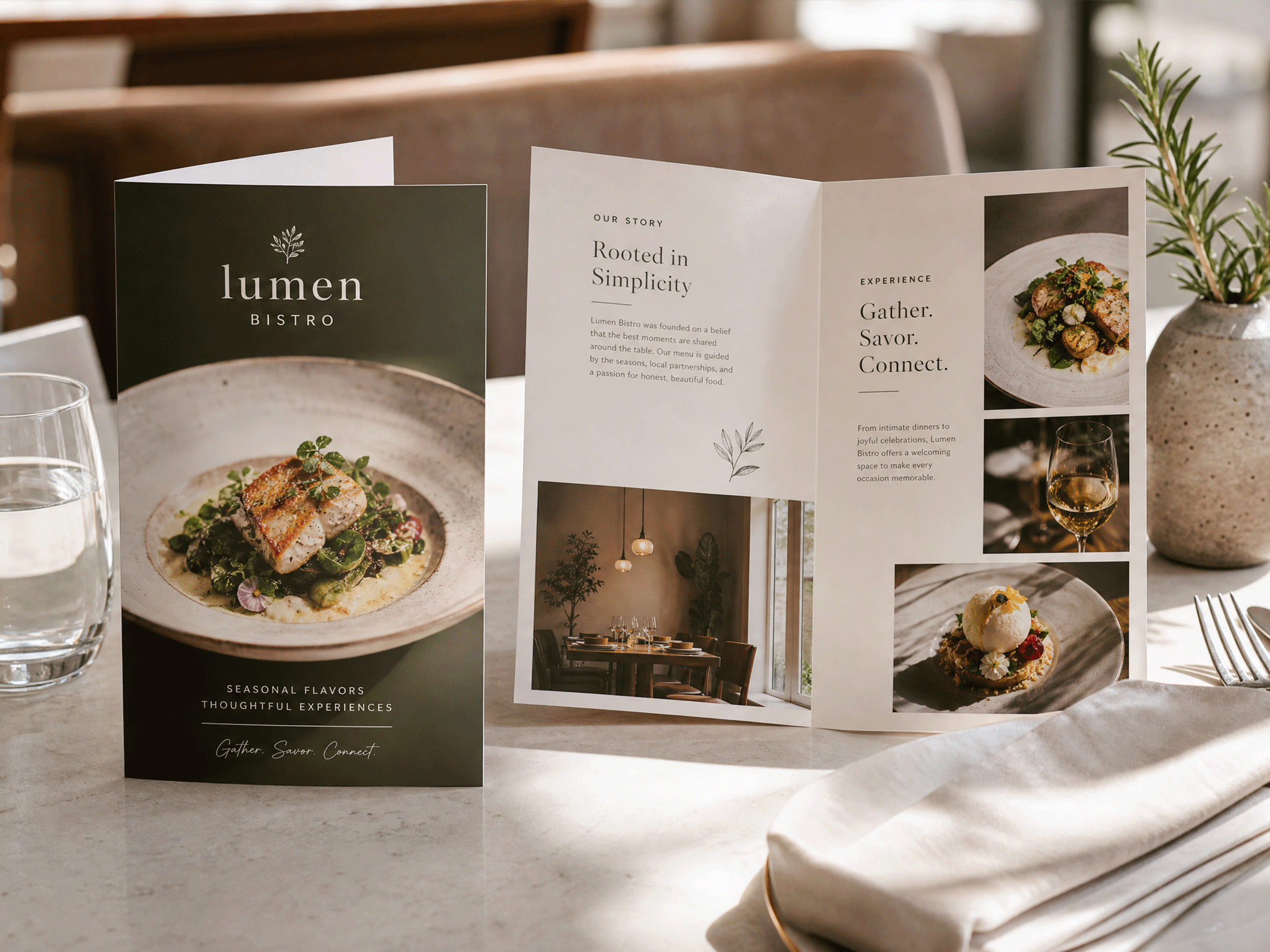
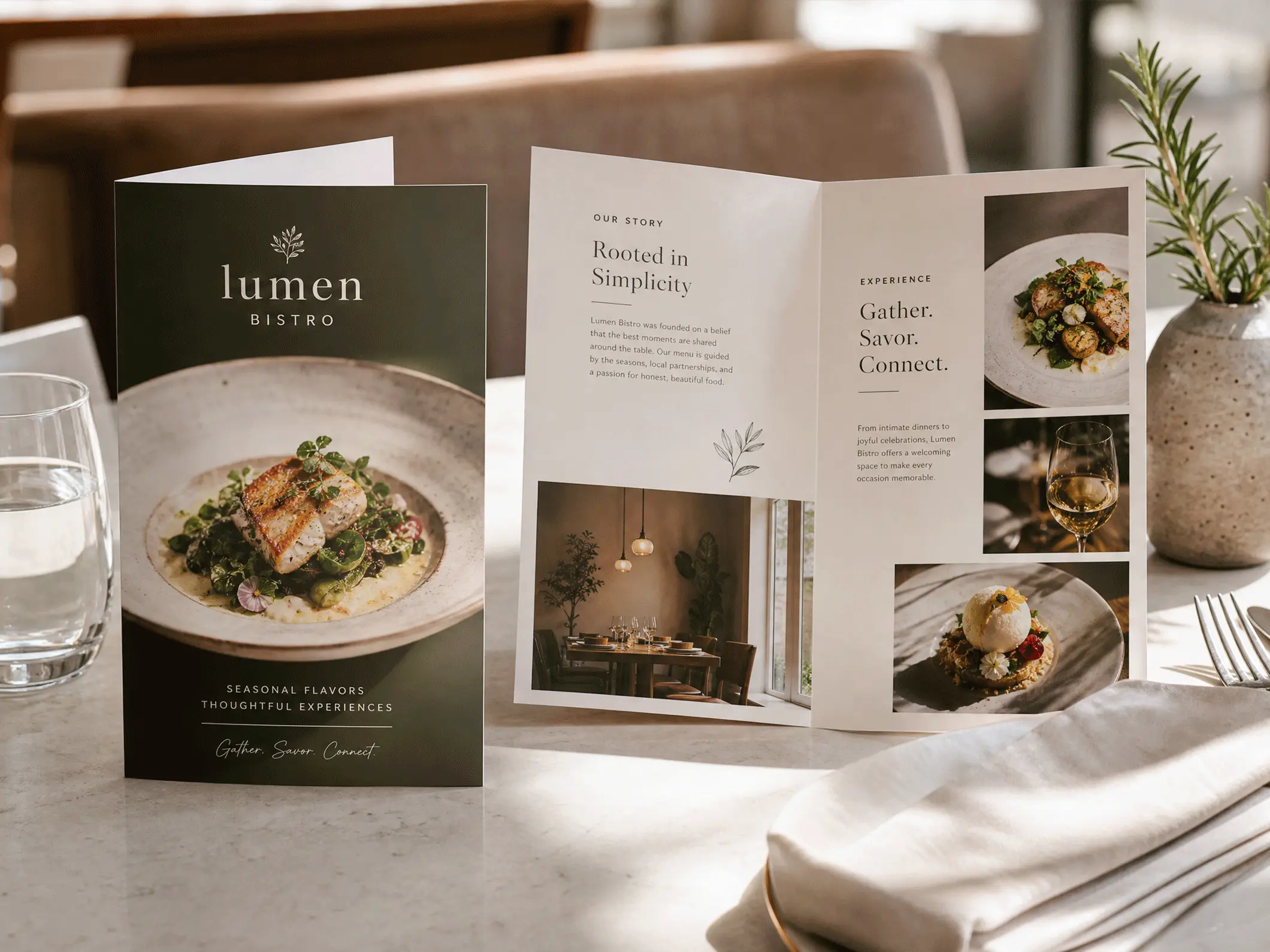
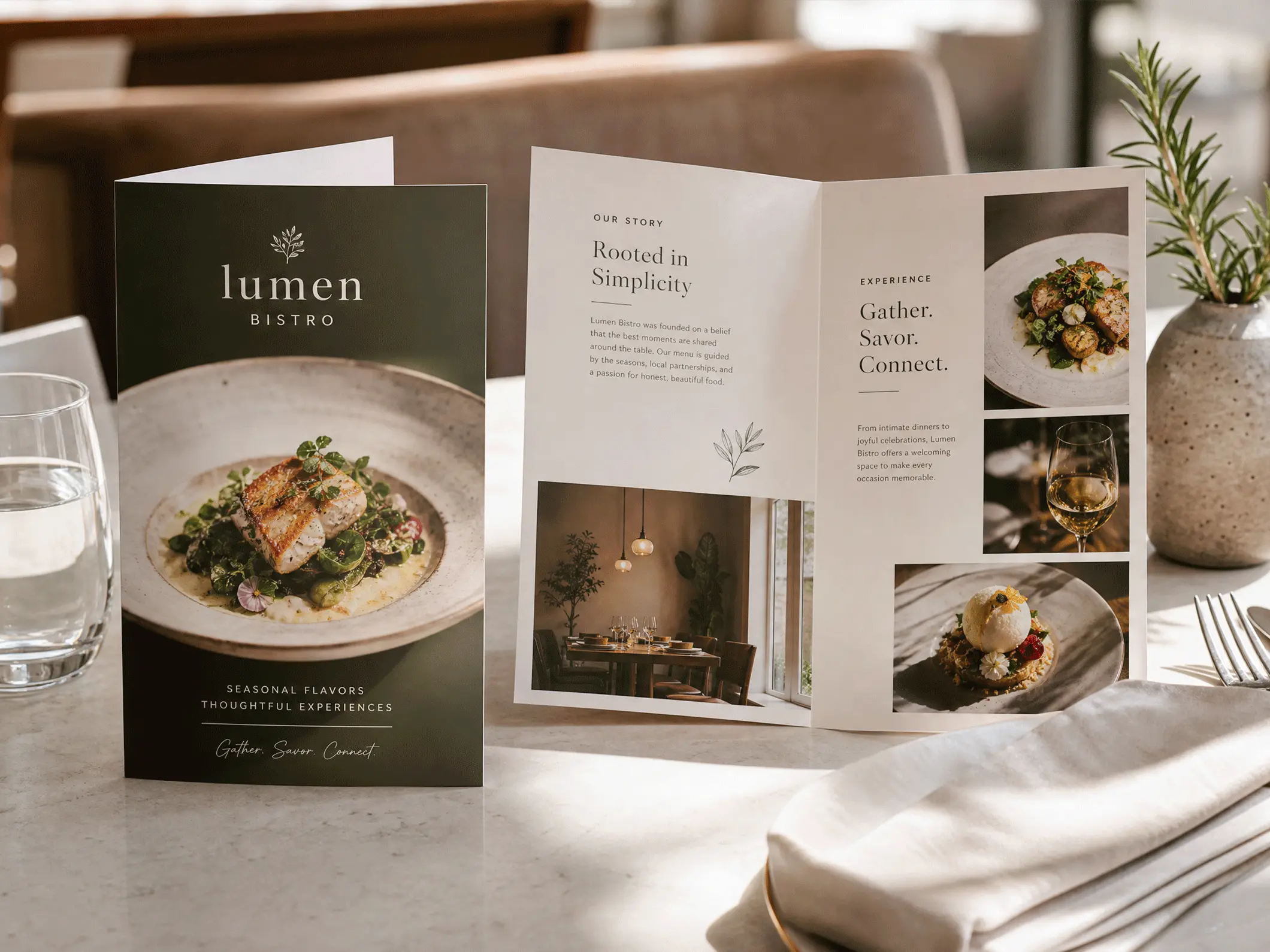
Bi-fold brochures are widely used for company profiles, product overviews, service descriptions, and event information. They are also commonly used as menus, presentation materials, and promotional handouts where a clear layout improves readability.
Because of their simple structure, they work well in both marketing and informational contexts.
Understanding the Bi-Fold Layout
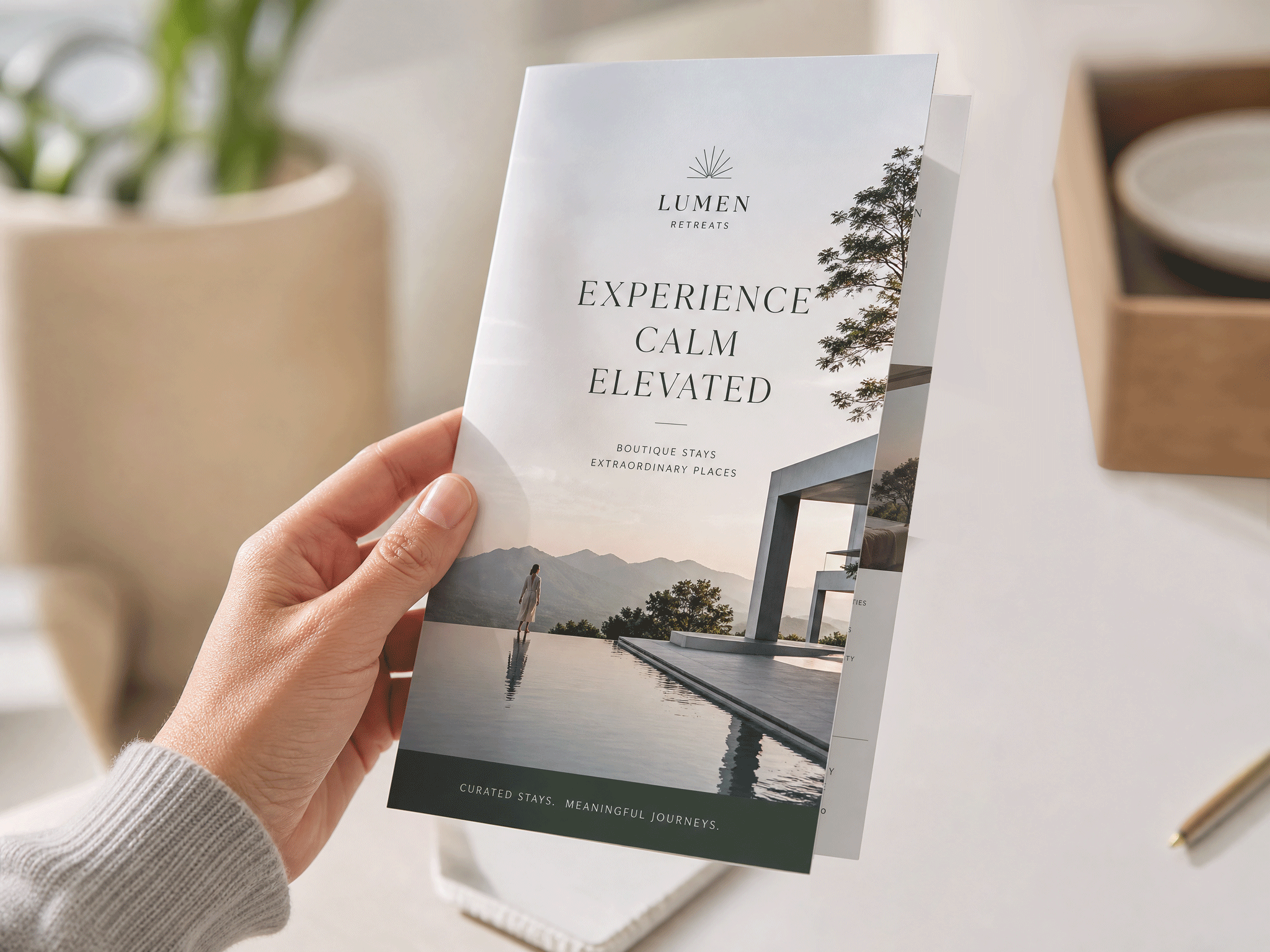
A bi-fold brochure is created by folding a sheet in half, resulting in four panels. This layout allows you to separate content into a front cover, inside sections, and a back panel.
The structure makes it easier to guide the reader through information in a logical sequence, helping improve clarity and engagement.
Paper Options and Print Considerations
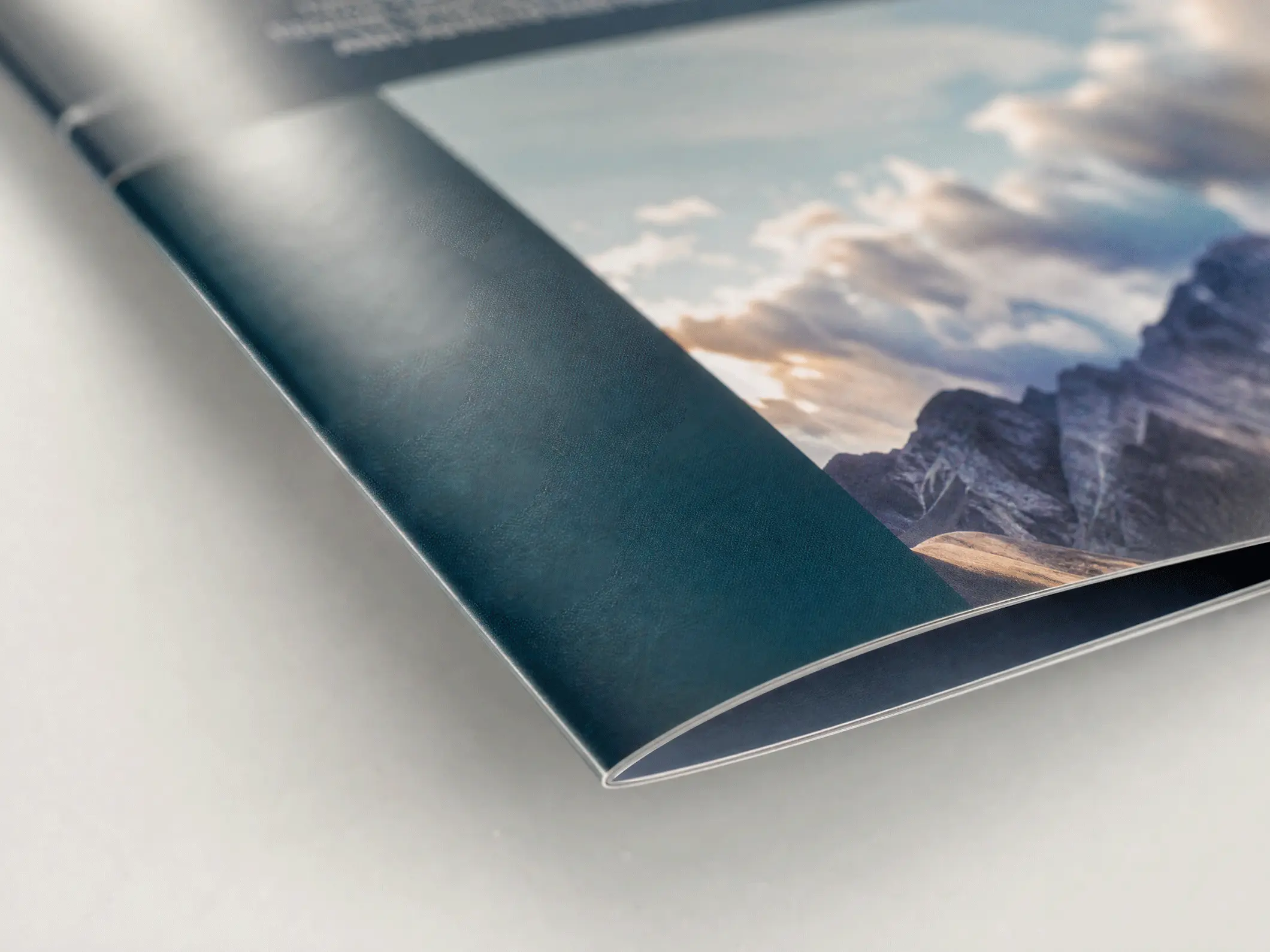
Paper choice affects both durability and presentation. Lighter paper stocks are suitable for large distribution, while heavier options provide a more premium feel for presentations or displays.
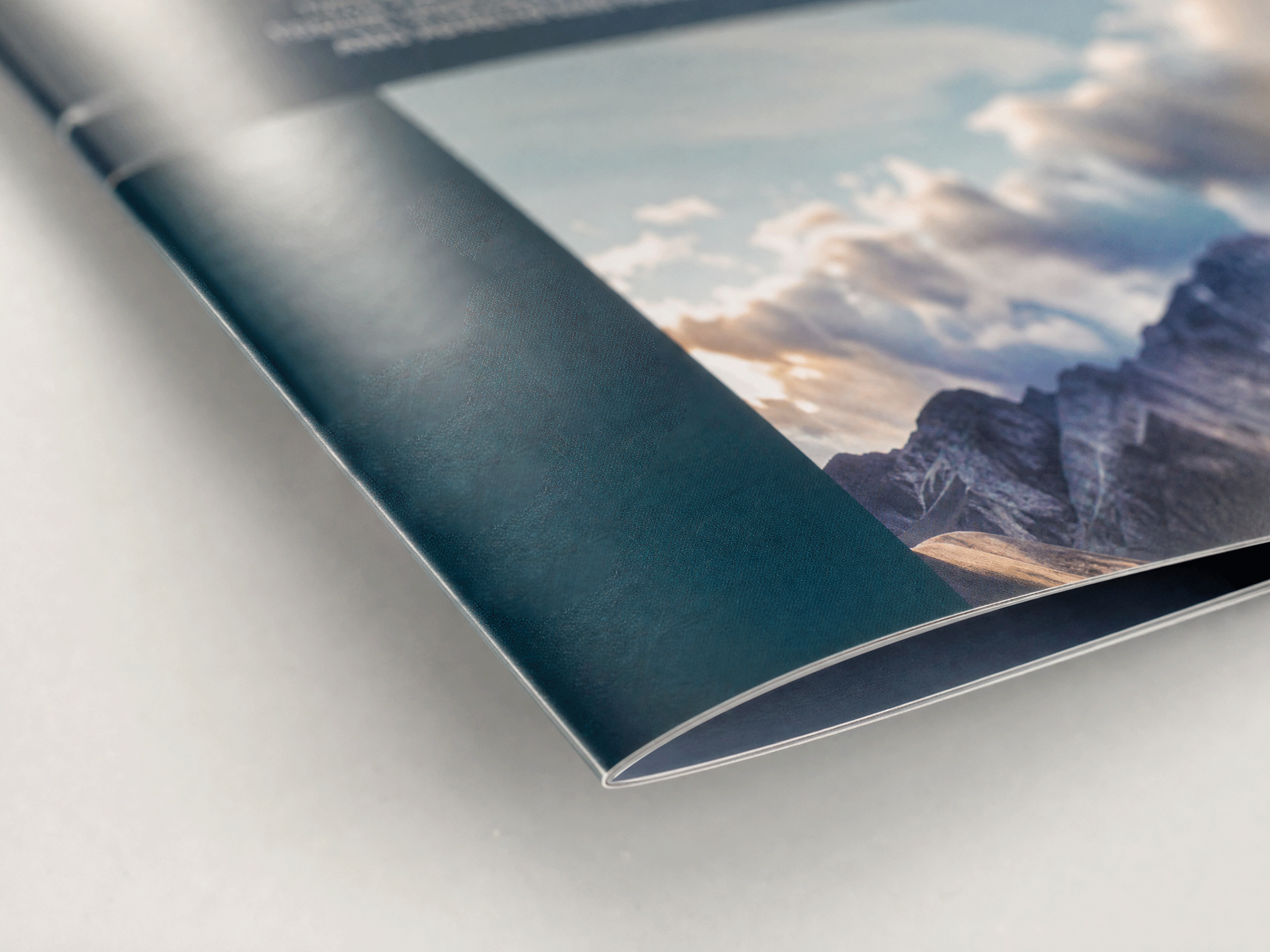
Gloss finishes enhance color and visual impact, while matte or uncoated surfaces improve readability and reduce glare. The right choice depends on how the brochure will be used and handled.
For best results, keep layouts simple with clear hierarchy and strong contrast. Focus on essential details to ensure readability and long-term visibility. If needed, our Design Services can help refine your layout and prepare print-ready files. Design fees can be credited back upon order to help manage costs.
Paper Stock
Choose from a range of flyer paper stocks and finishes to match your design style, print quality, and handling needs.
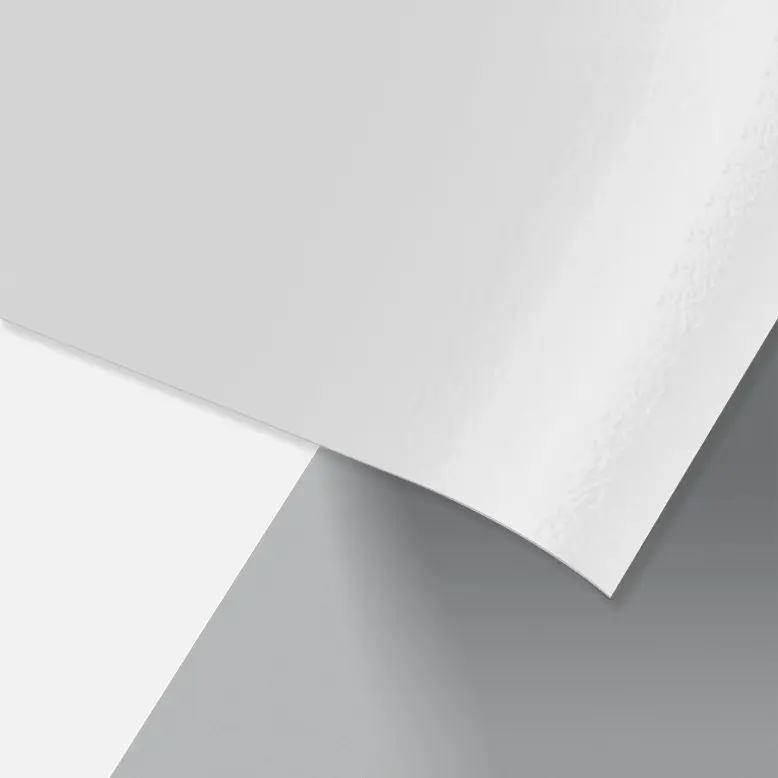
80 lb. Gloss Paper
- Smooth gloss coated paper for vibrant color reproduction
- Bright finish enhances images and graphic details
- Medium-weight paper suitable for everyday printing
- 80 lb. paper weight

80 lb. Uncoated Paper
- Natural, uncoated paper stock with a classic paper feel
- Contains a writable surface for notes, signatures, and stamps
- Soft matte appearance with minimal glare
- Medium-weight paper suitable for everyday printing
- 80 lb. paper weight
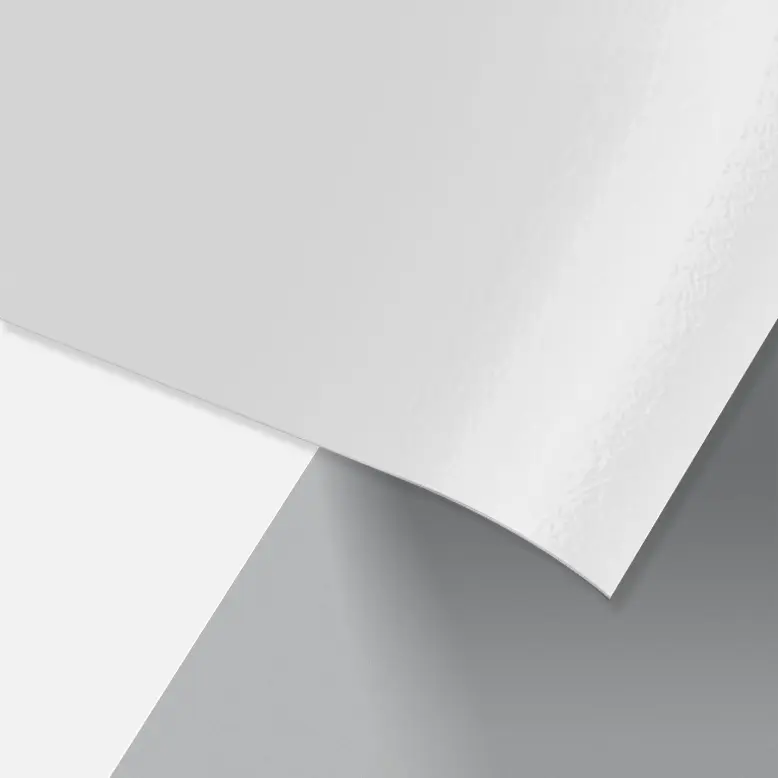
100 lb. Gloss Paper
- Smooth gloss coated paper for vibrant color reproduction
- Bright finish enhances images and graphics
- Heavier-weight paper with a premium feel
- 100 lb. paper weight

100 lb. Matte Paper
- Smooth matte coated surface with reduced glare
- Soft, professional look for easy reading
- Heavier-weight paper with a refined feel
- 100 lb. paper weight

9 pt. Cardstock Gloss
- Smooth gloss coated surface with vibrant color reproduction
- Bright, polished finish for sharp graphics and images
- Lightweight cardstock feel
- 9 pt. thickness
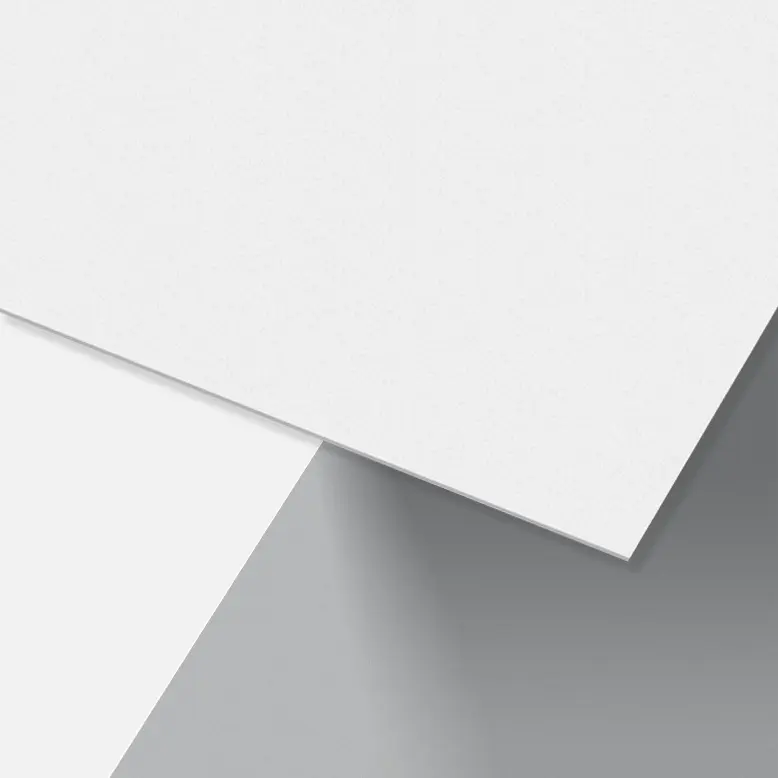
- 9 pt. Cardstock Matte
-
Smooth matte coated surface with reduced glare
Softens colors for a clean, professional appearance
Lightweight cardstock feel
9 pt. thickness

- 10 pt. Uncoated Cover
-
Natural, uncoated paper stock with a clean paper texture
Contains a writable surface for notes, signatures, and stamps
Soft matte appearance with minimal glare
Light-to-medium weight cover stock
10 pt. thickness
Unfolded Size
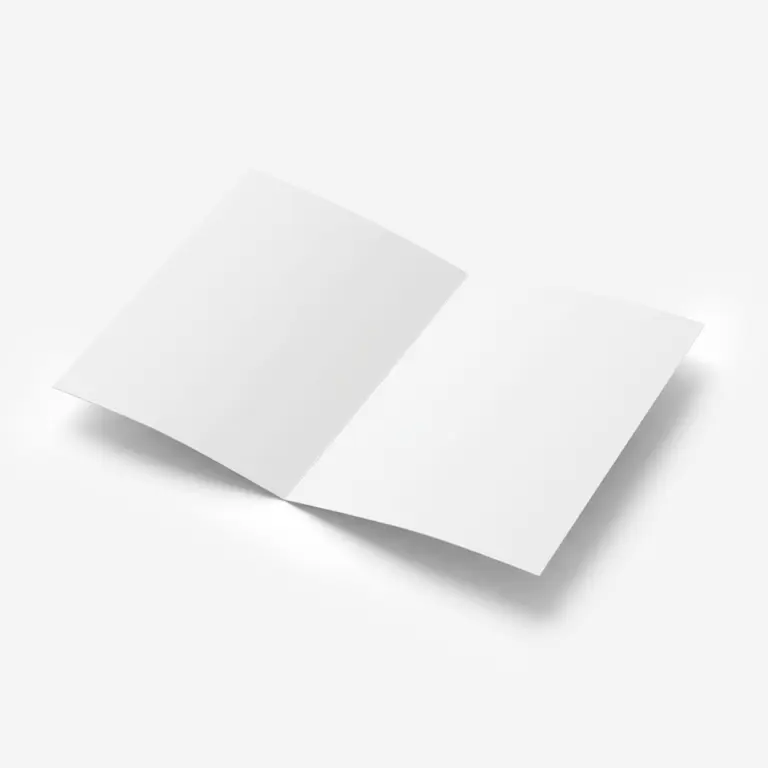
9" × 8" Bi-Fold Brochure
- Folds to 9" × 4"
- Compact brochure size ideal for concise marketing messages
Slim folded format works well for menus, service lists, or event handouts
Four panels provide clear sections for images, highlights, and contact details
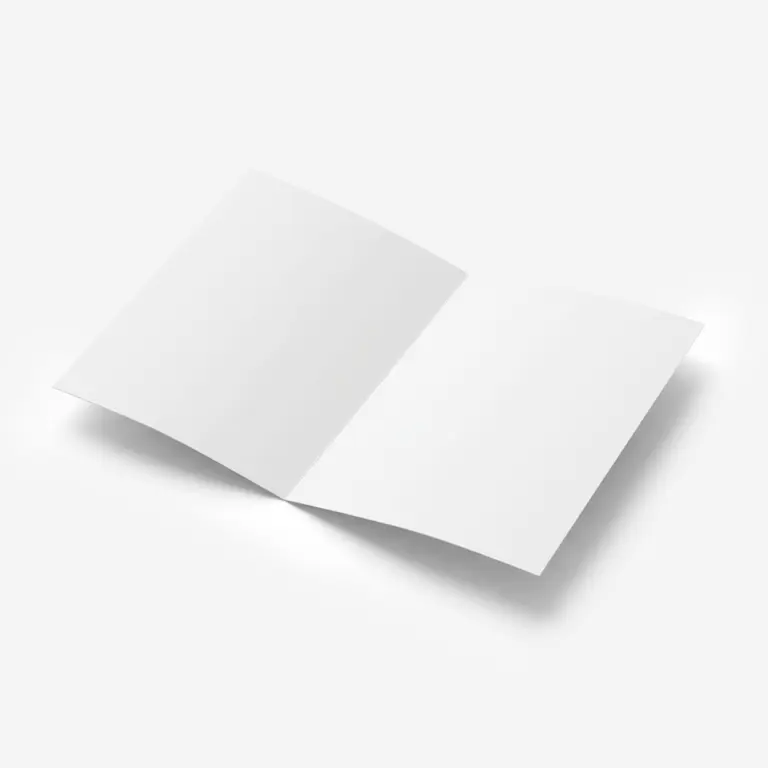
8.5" × 11" Bi-Fold Brochure
- Folds to 8.5" × 5.5"
- Standard brochure format widely used for marketing materials
Balanced panel layout suitable for company introductions and product information
Four-panel structure allows clear organization of text, images, and graphics
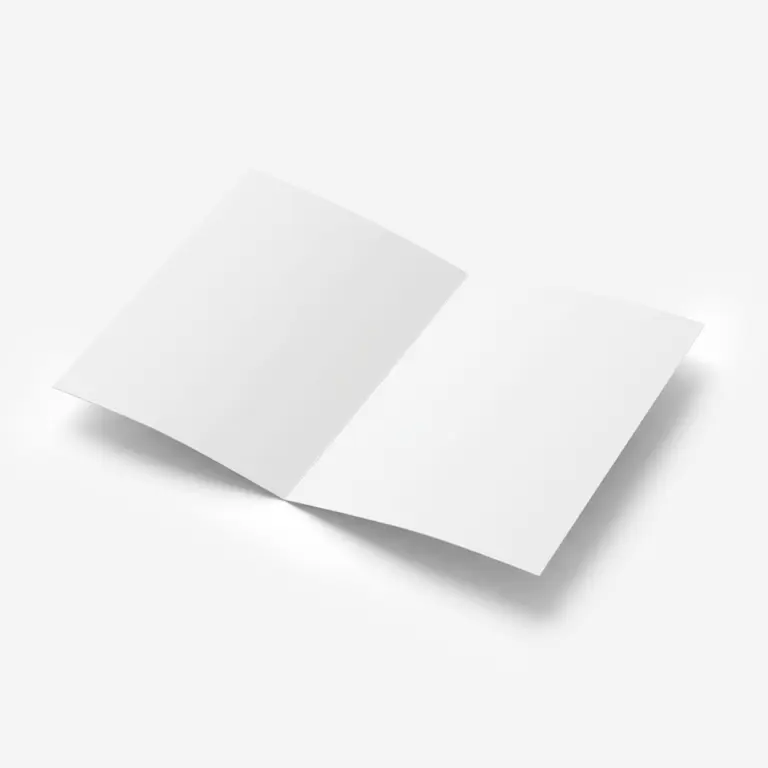
11" × 17" Bi-Fold Brochure
- Folds to 11" × 8.5"
- Large brochure format ideal for detailed presentations
Provides generous space for product catalogs, service guides, or event programs
Four spacious panels allow rich visuals and structured content layout
Frequently Asked Questions
What sizes are available for bi-fold brochures?
What is a bi-fold brochure?
How many panels does a bi-fold brochure have?
What paper types are available?
Can bi-fold brochures be printed on both sides?
What are bi-fold brochures commonly used for?
Can I design my brochure online?
Product Specs & Templates
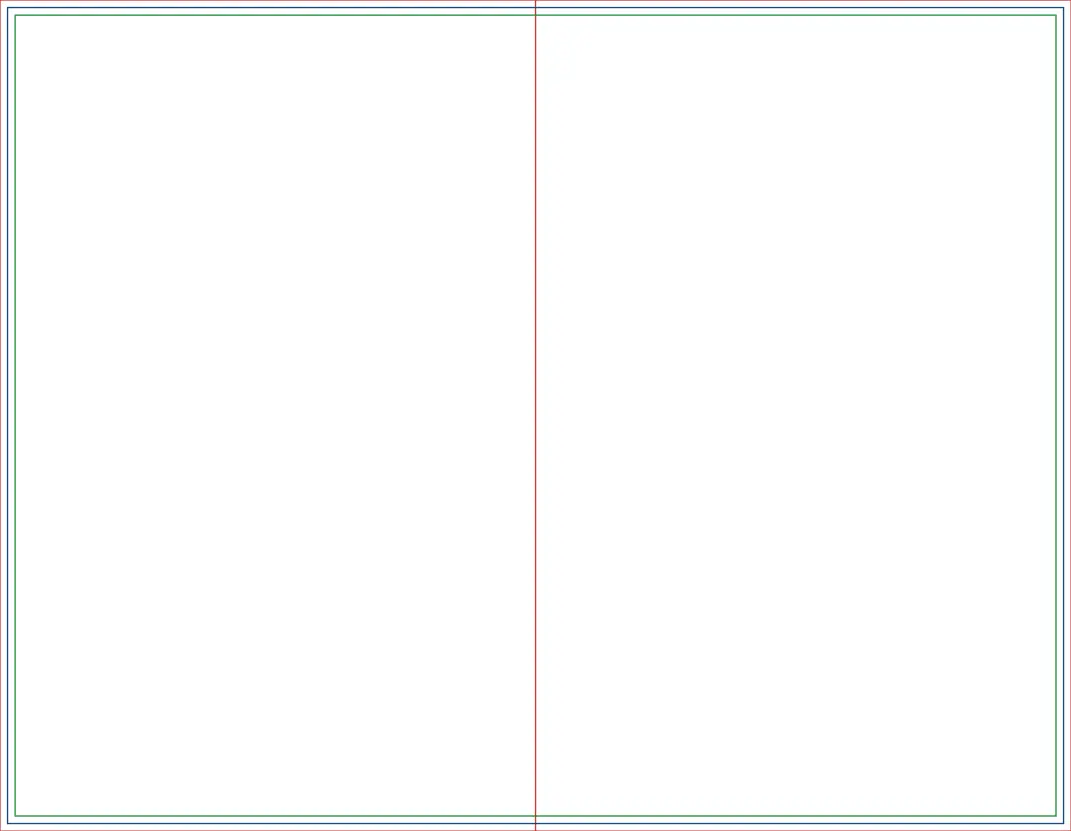
Our production team will remove the guideline lines before printing, and they will NOT appear on the final product.



We believe effective visual communication starts with clarity, responsibility, and thoughtful planning. Our focus is not just on outcomes, but on building a reliable process that delivers consistent results across every order.
By combining efficient production workflows with carefully selected materials, we aim to reduce unnecessary waste while maintaining dependable quality. This approach allows us to support both everyday needs and larger initiatives without introducing complexity or uncertainty.
Early planning plays a key role in how we work. When projects are prepared in advance, production becomes smoother, resources are used more efficiently, and costs stay predictable. This mindset helps create better results for everyone involved.
From initial setup to final delivery, we prioritize transparency, consistency, and support. Our goal is to make each step clear and manageable, so expectations are aligned and outcomes remain dependable.
At every stage, we focus on building long-term trust through practical decisions, steady execution, and a commitment to responsible production.