





Dine-In Menus


Dine-In Menus Overview
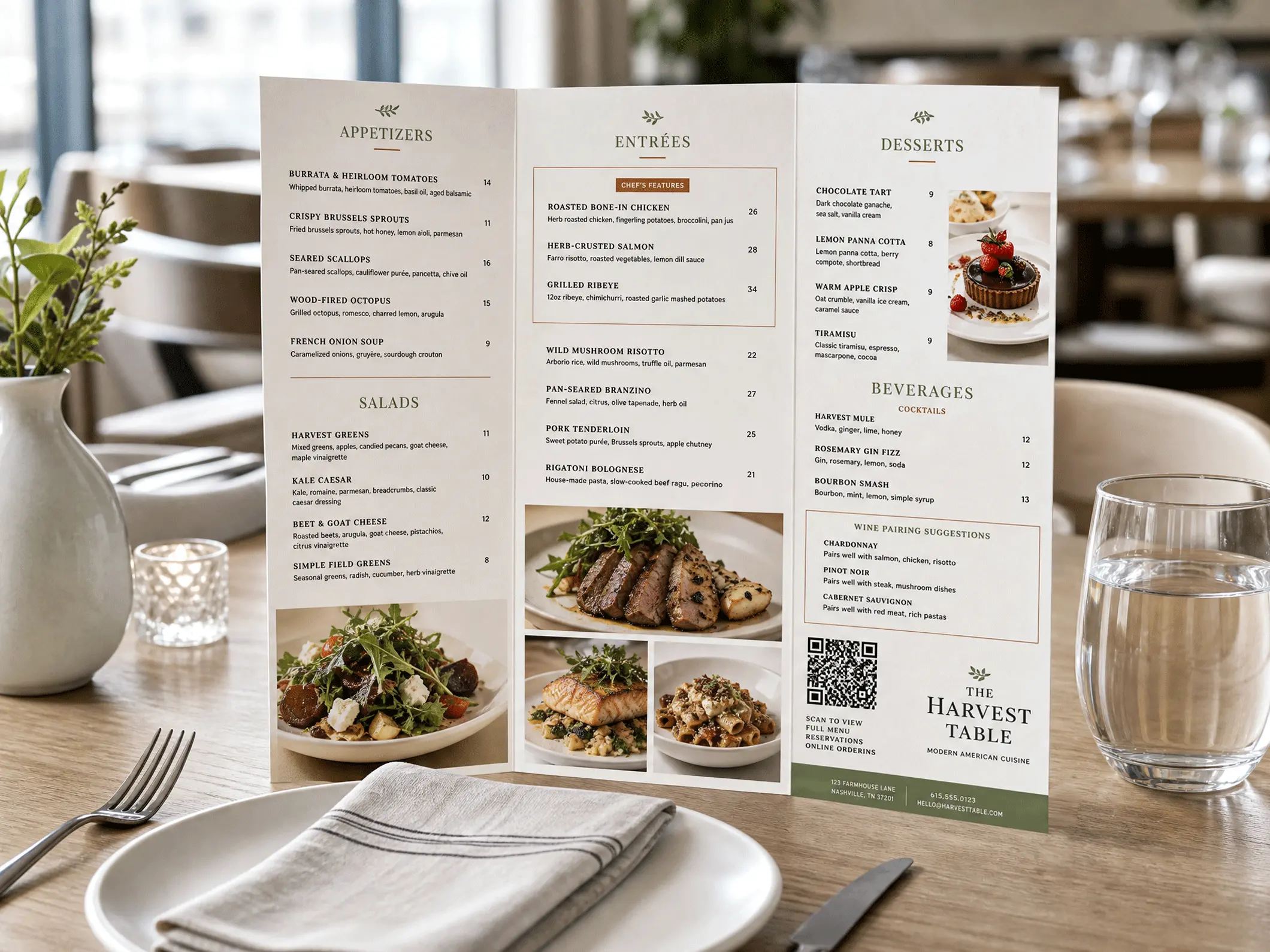
Dine-in menus are built for in-restaurant use, where readability, durability, and presentation all play a key role in the customer experience. Unlike marketing materials that are distributed or displayed, dine-in menus are handled repeatedly, making material choice and layout especially important.
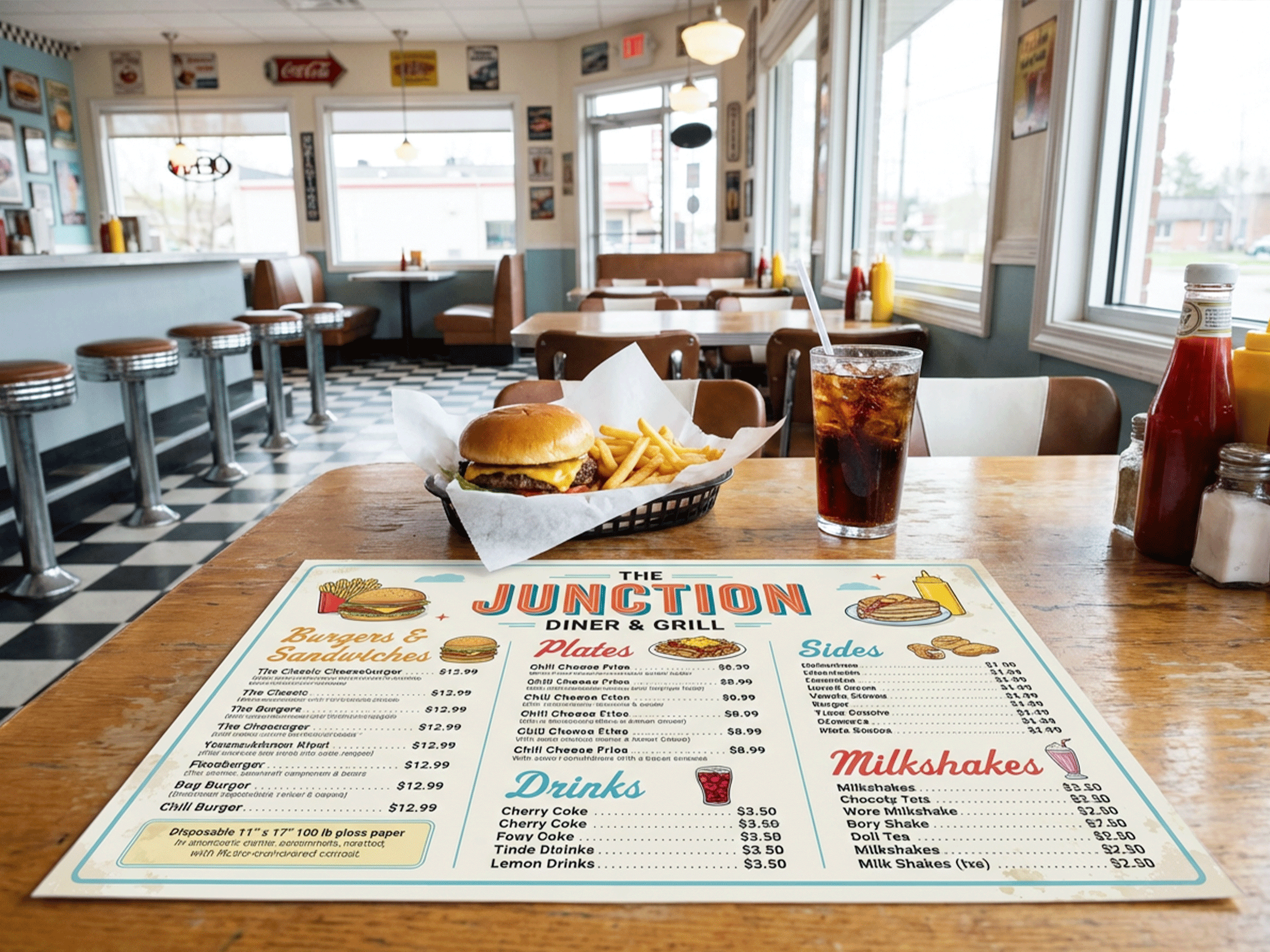
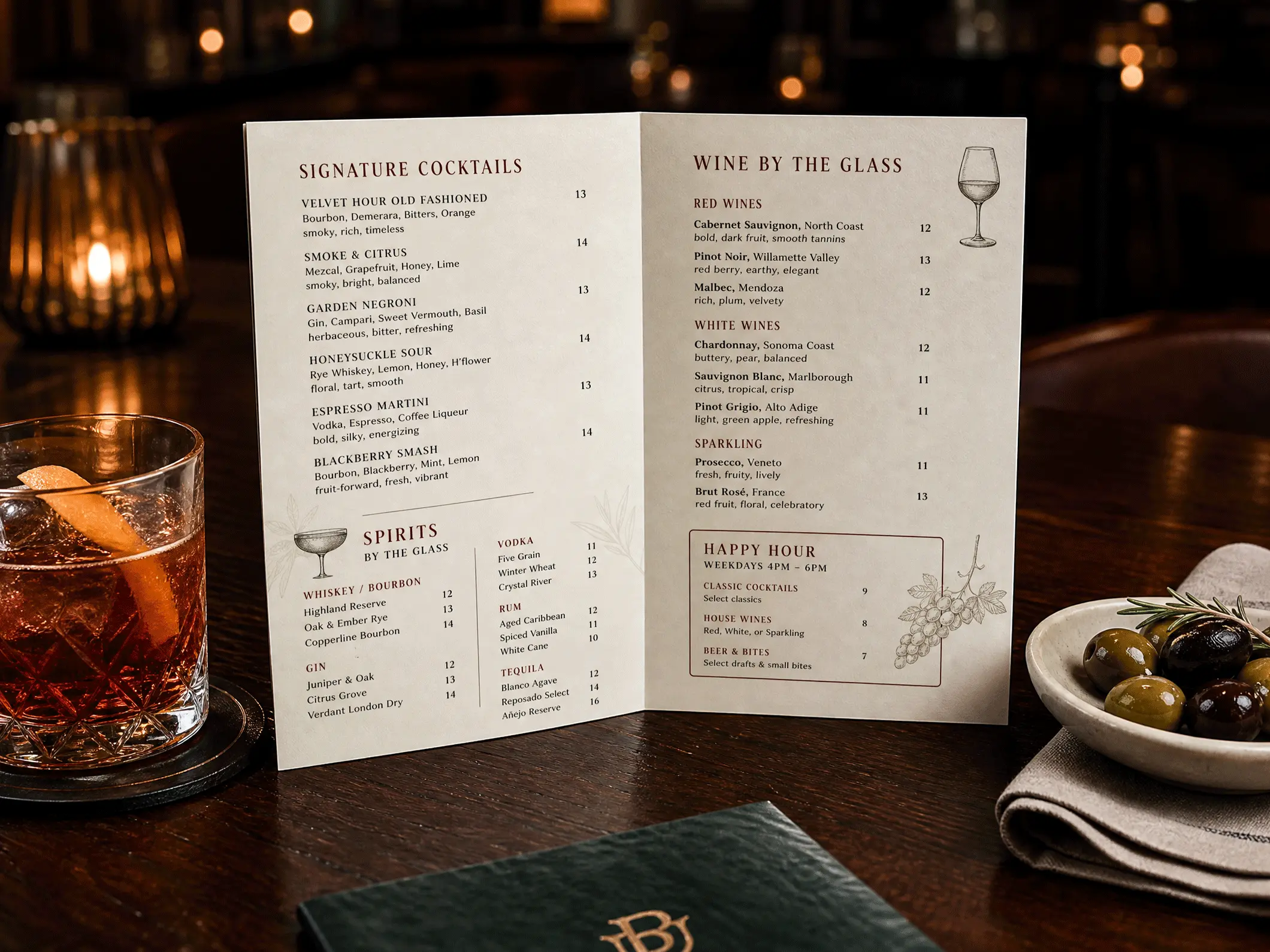
These menus are available in two primary formats: disposable and laminated. Disposable menus are ideal for restaurants that update content frequently or require cost-effective replacements, while laminated menus are designed for long-term table use with a wipe-clean surface.
Compared to take-out menus, which focus on distribution, dine-in menus are optimized for in-place use at tables, counters, and service areas. For more compact or portable formats, pocket menus may be a better fit.
If your goal is to create a clean, easy-to-read menu that enhances the dining experience, dine-in menus provide a practical and flexible solution.
Disposable vs Laminated Menus
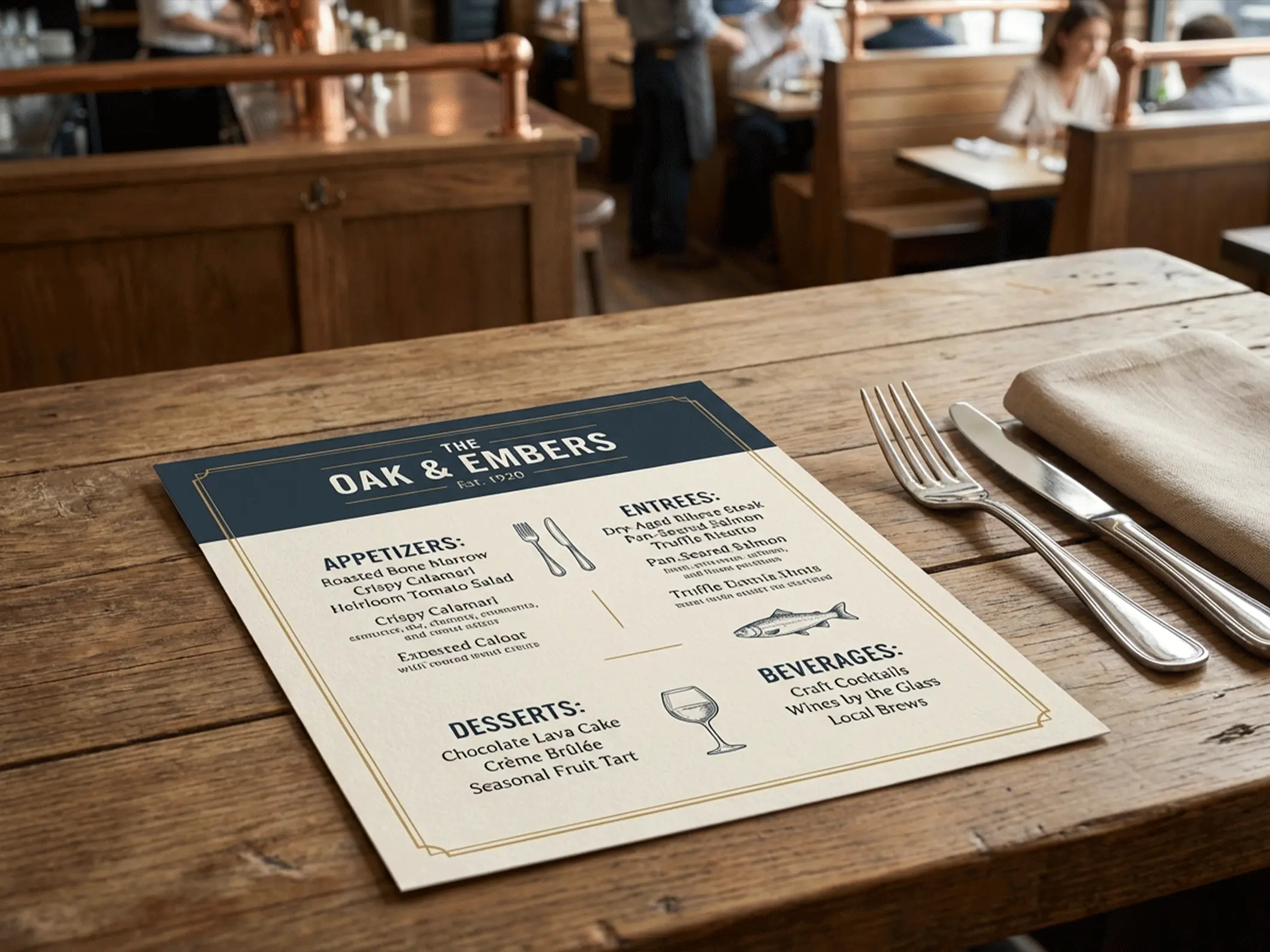
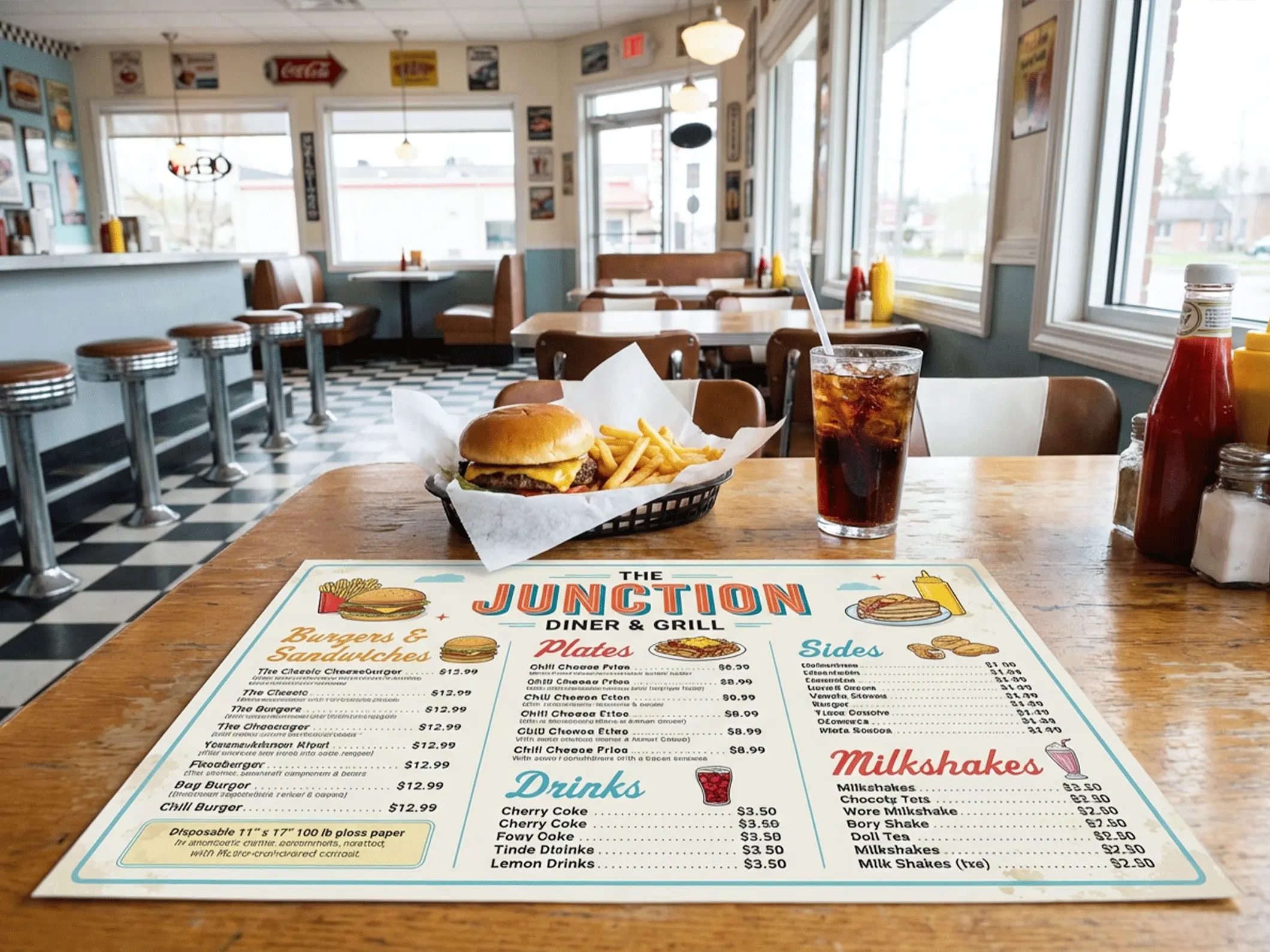
Dine-in menus are typically offered in two formats based on usage needs. Disposable menus are lightweight and cost-effective, making them suitable for frequently updated content such as seasonal items or promotions.
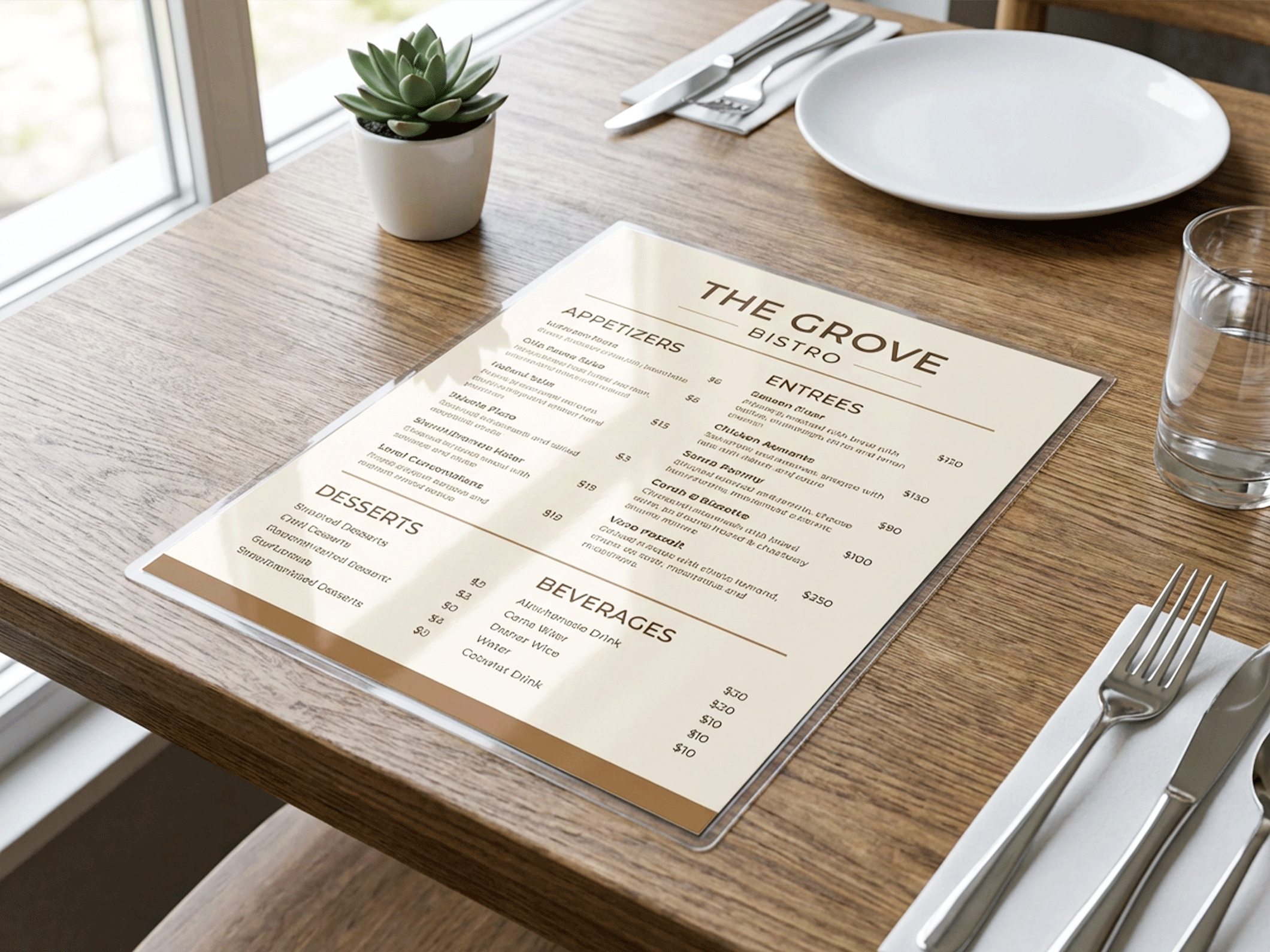
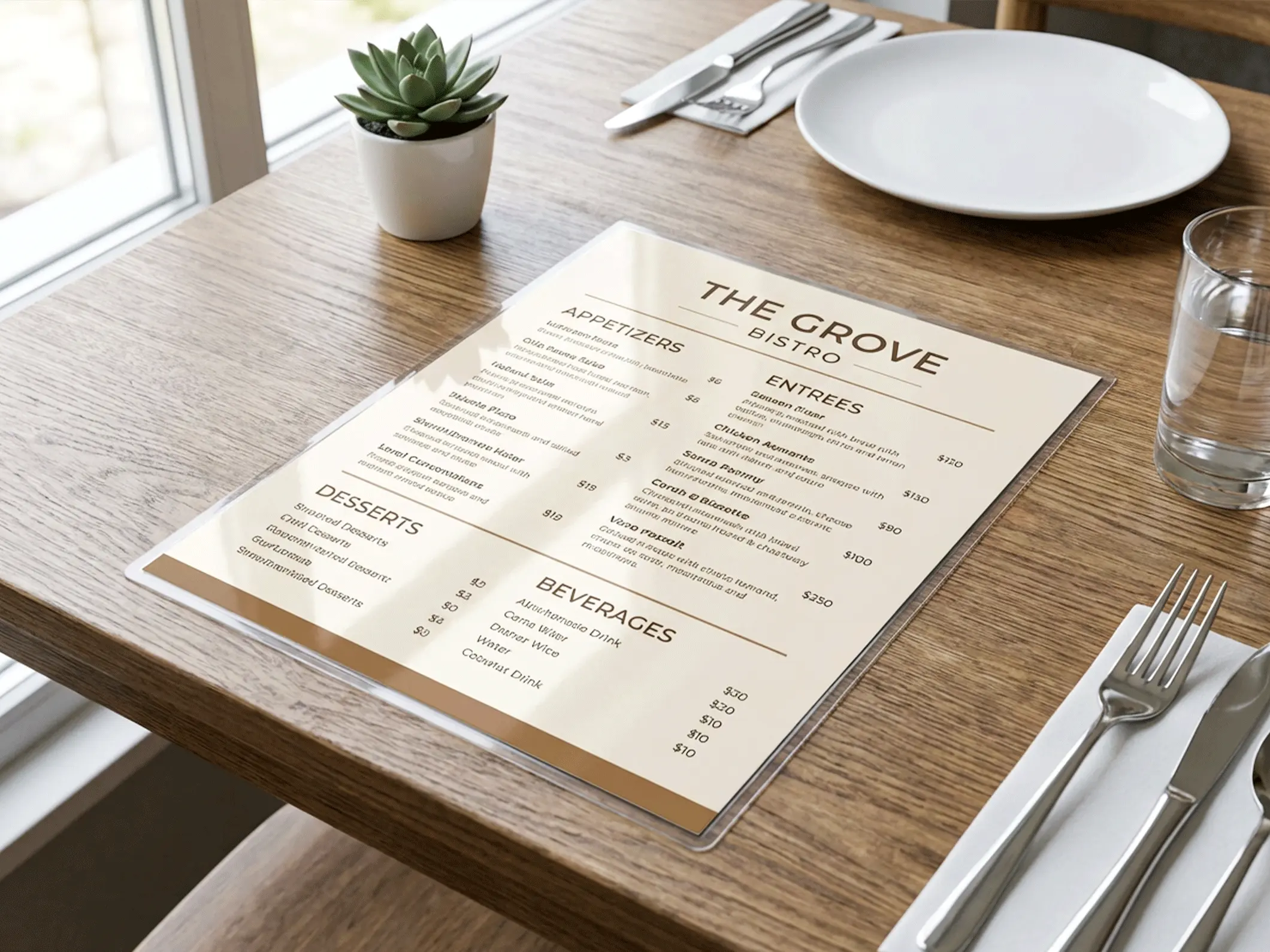
Laminated menus are designed for repeated use. With a sealed protective layer, they resist moisture, stains, and daily handling, making them ideal for standard table menus in busy restaurant environments.
Choosing the Right Menu Format
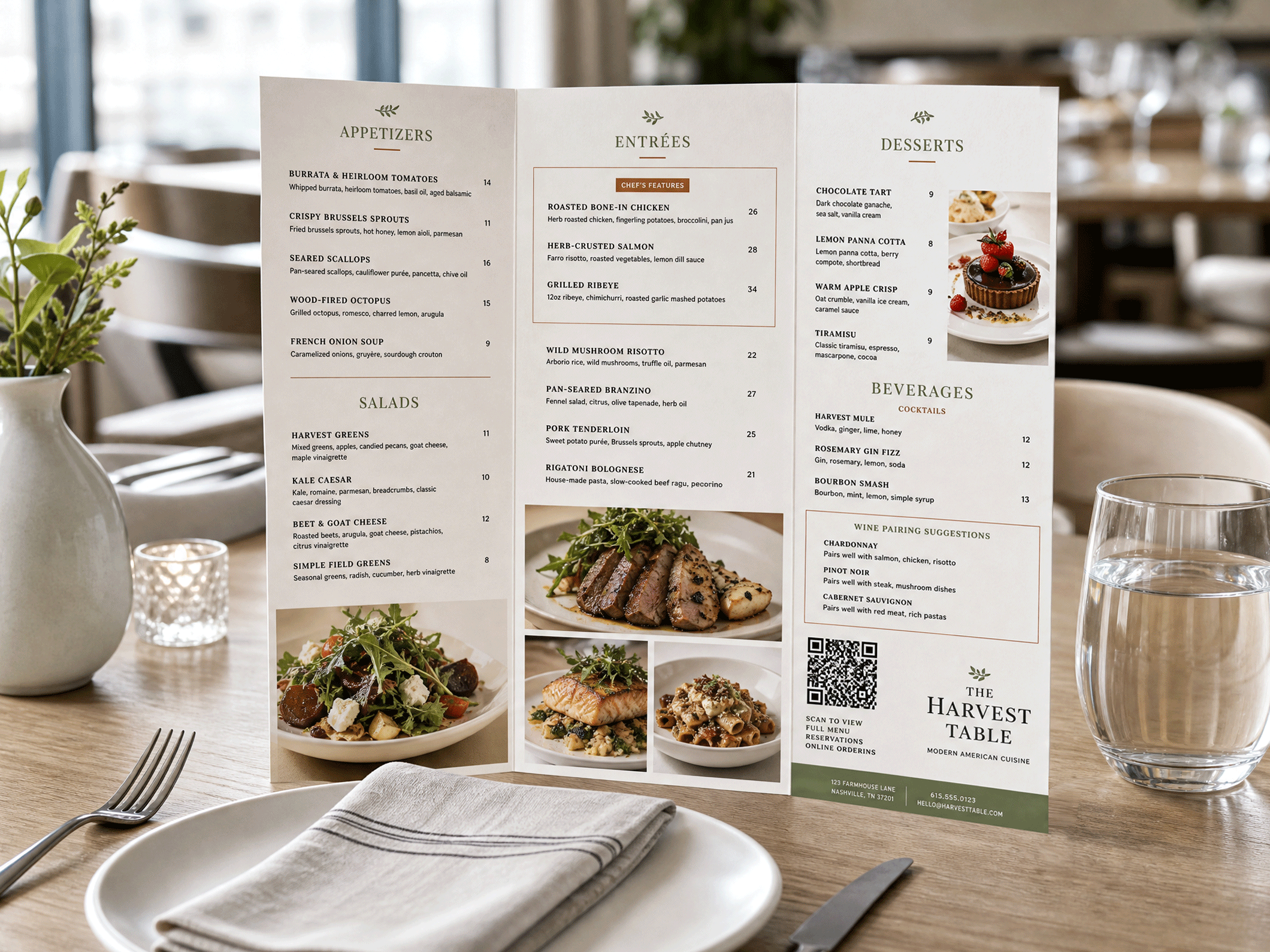
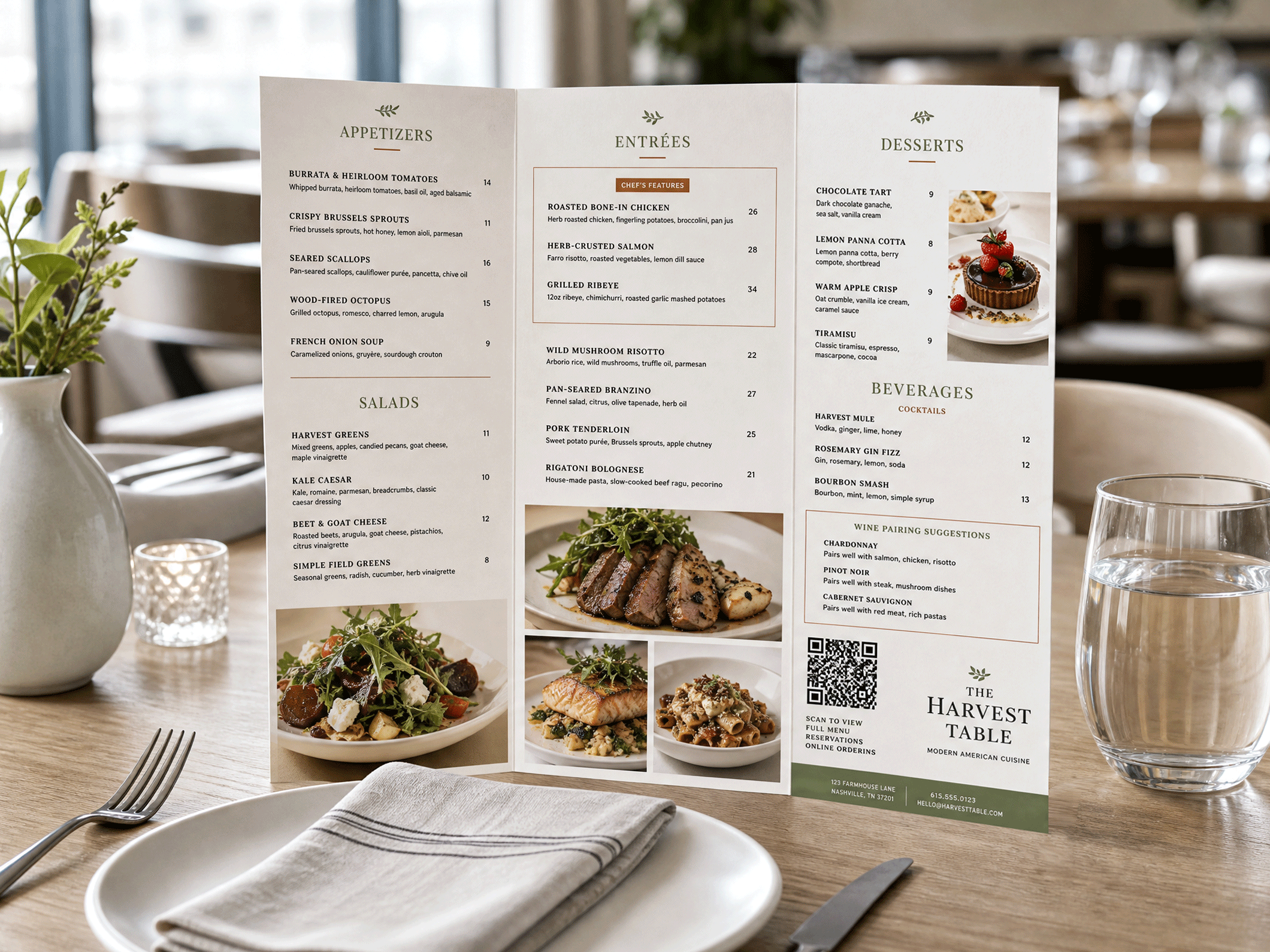
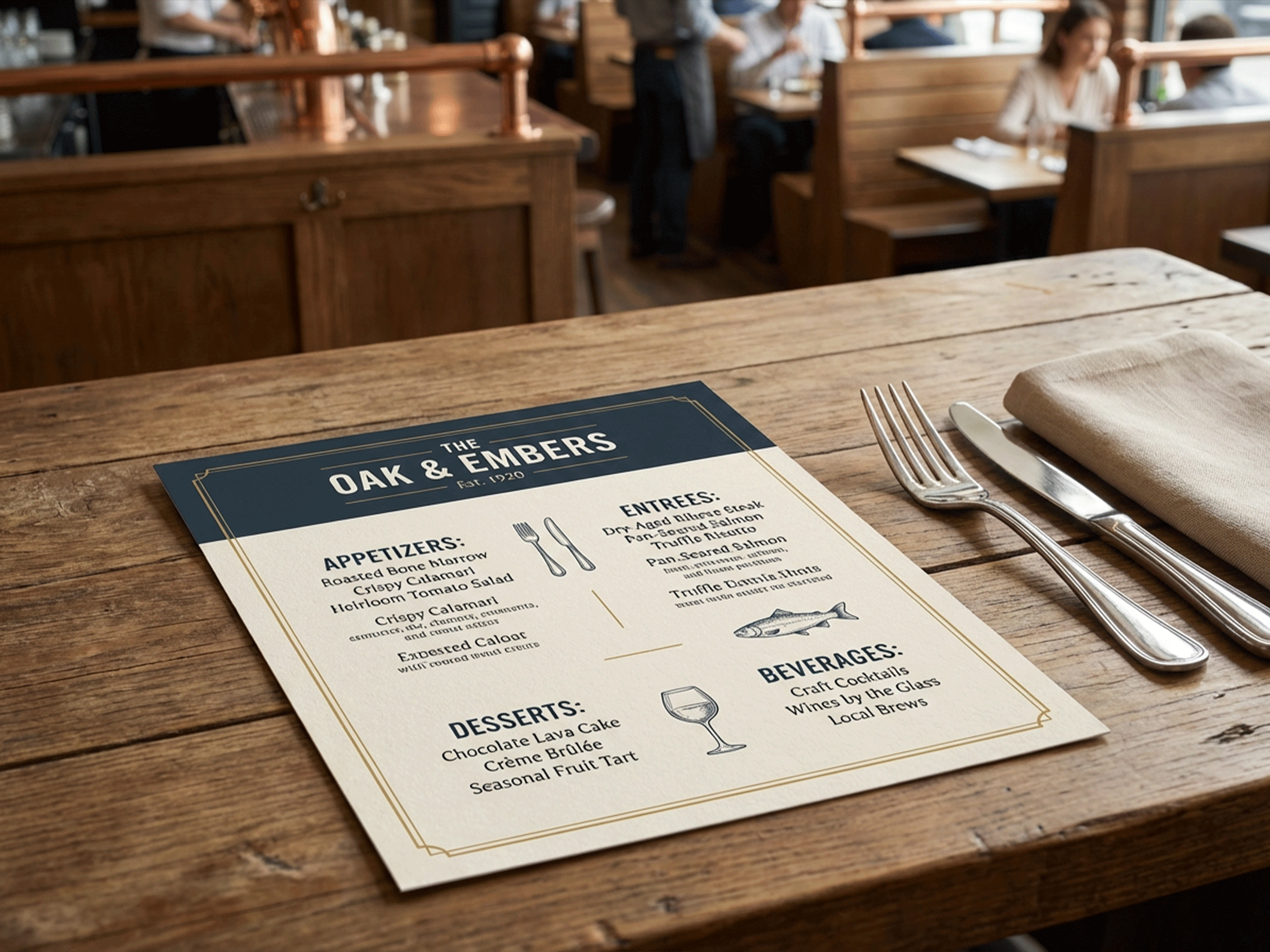
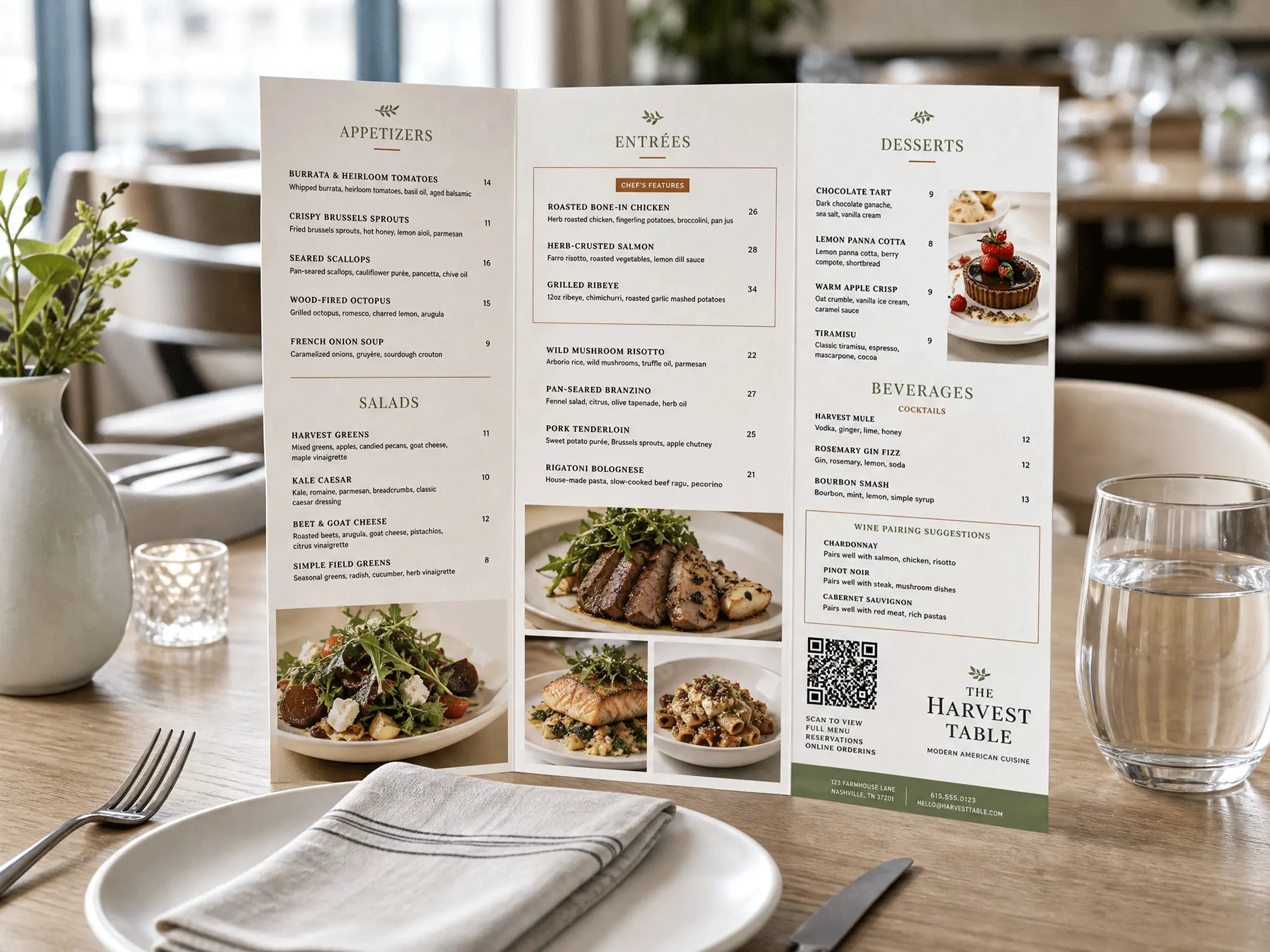
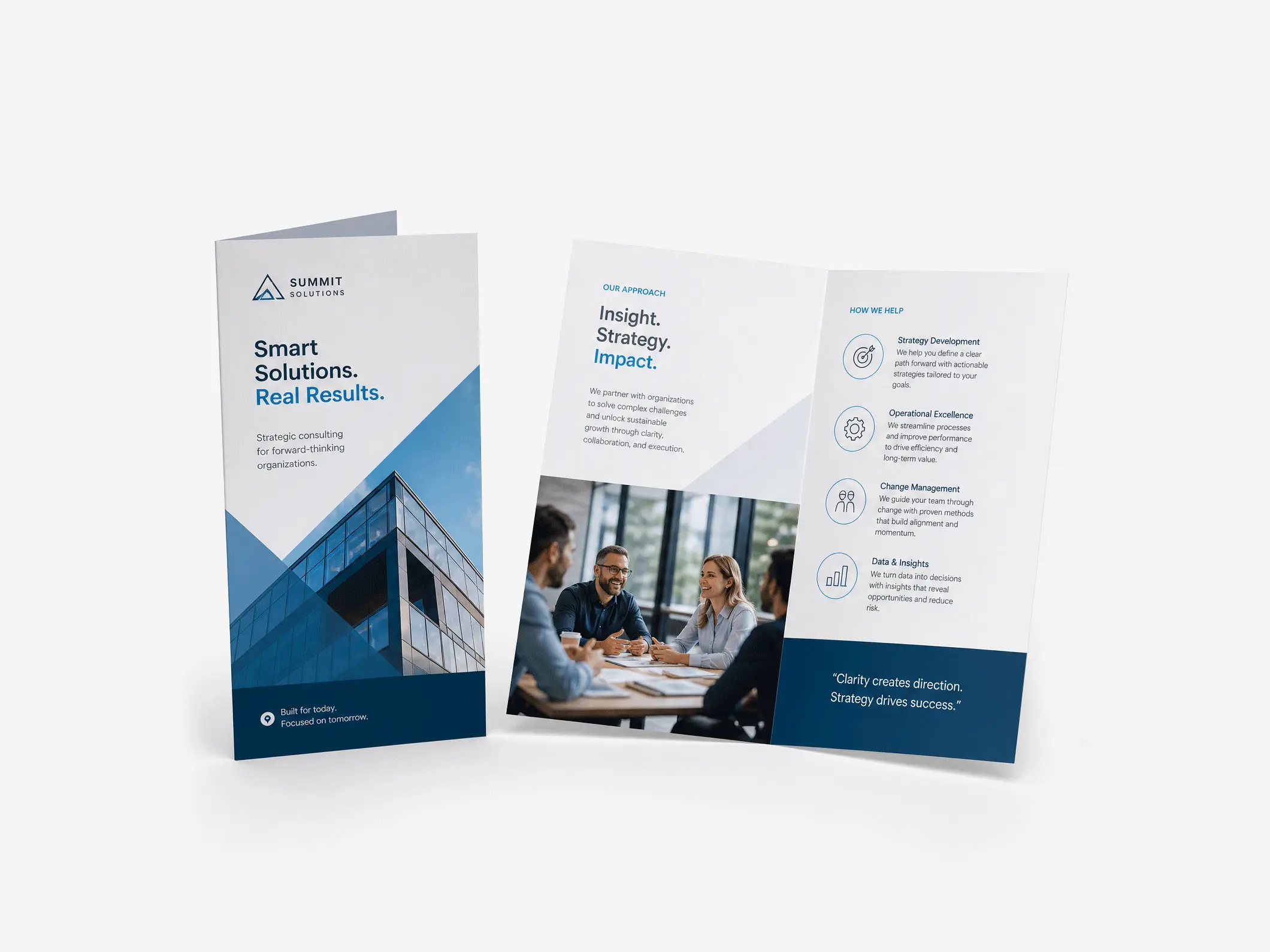
Flat menus provide a simple layout for concise content, while folded formats such as bi-fold or Z-fold allow more space for larger menus or multiple sections. The right format depends on how much information you need to present and how customers interact with the menu.
For smaller cafés or limited offerings, flat menus are often sufficient. For full-service restaurants with multiple categories, folded menus provide better organization.
Material and Durability Considerations
Material selection directly affects how your menu performs during service. Paper-based options are suitable for short-term use and frequent updates, while laminated menus offer enhanced durability for long-term use.
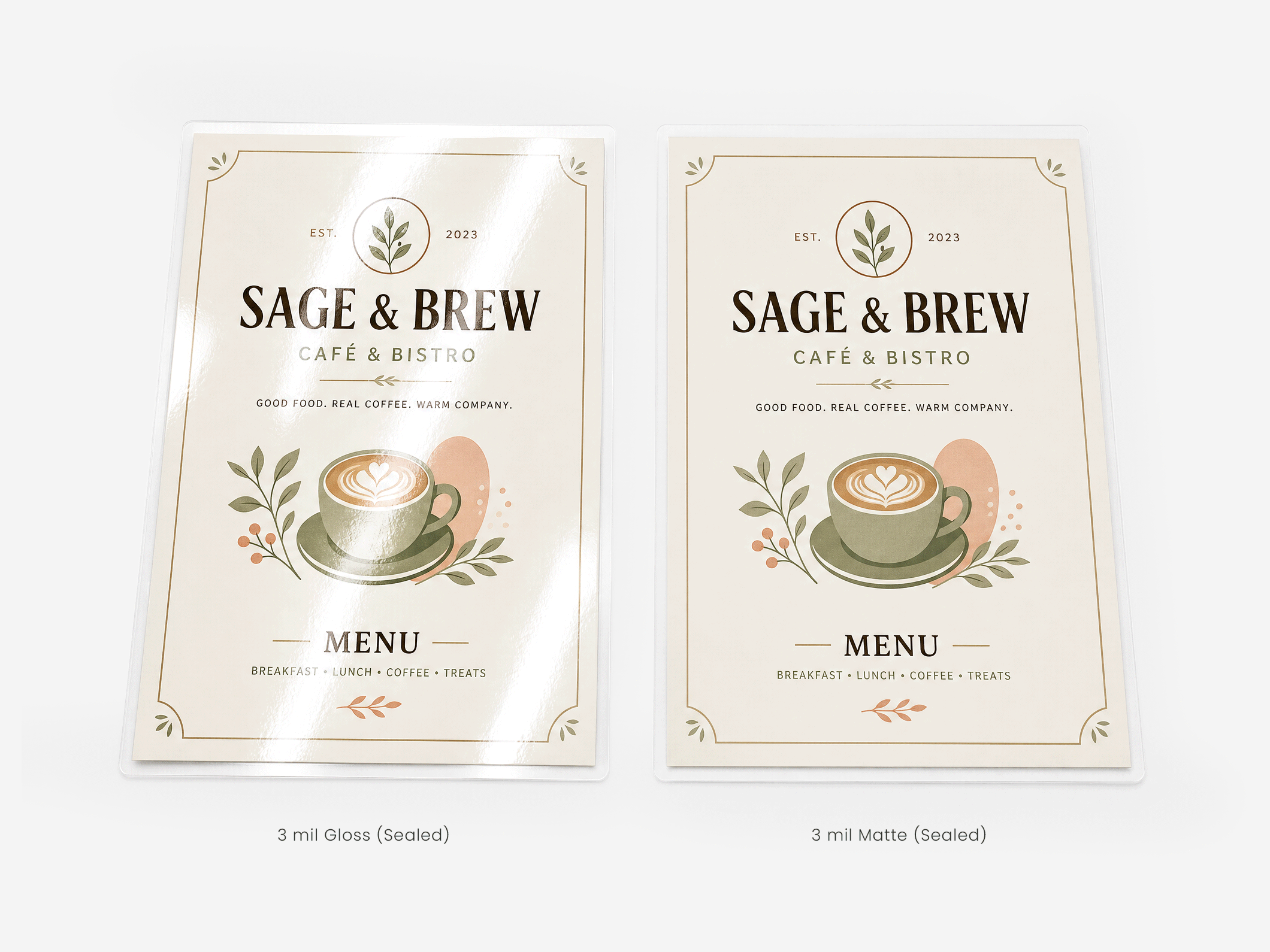
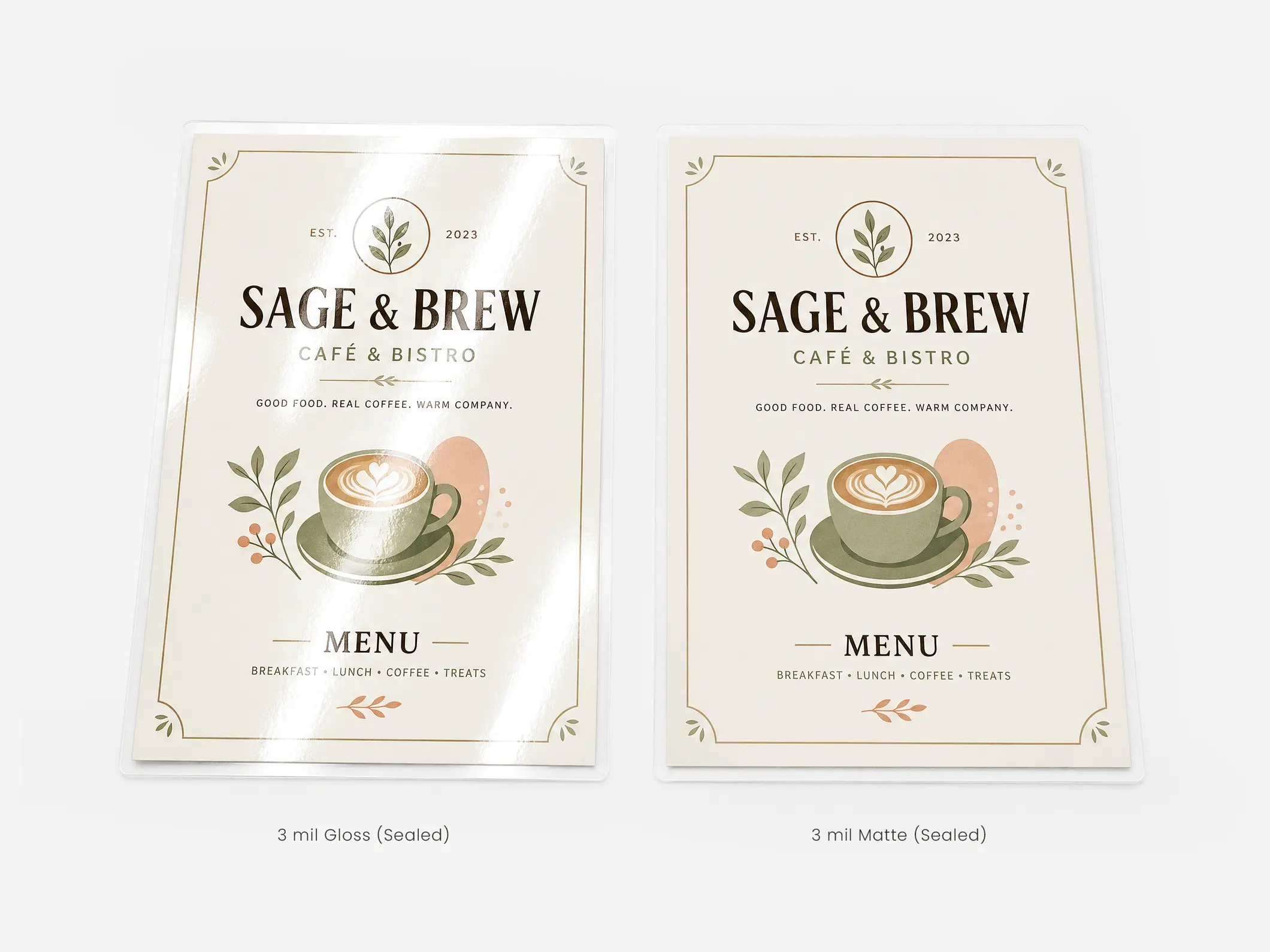
Gloss finishes improve color vibrancy, while matte surfaces reduce glare and improve readability under restaurant lighting. The right choice depends on your service environment and cleaning requirements.
Best Use Cases for Dine-In Menus
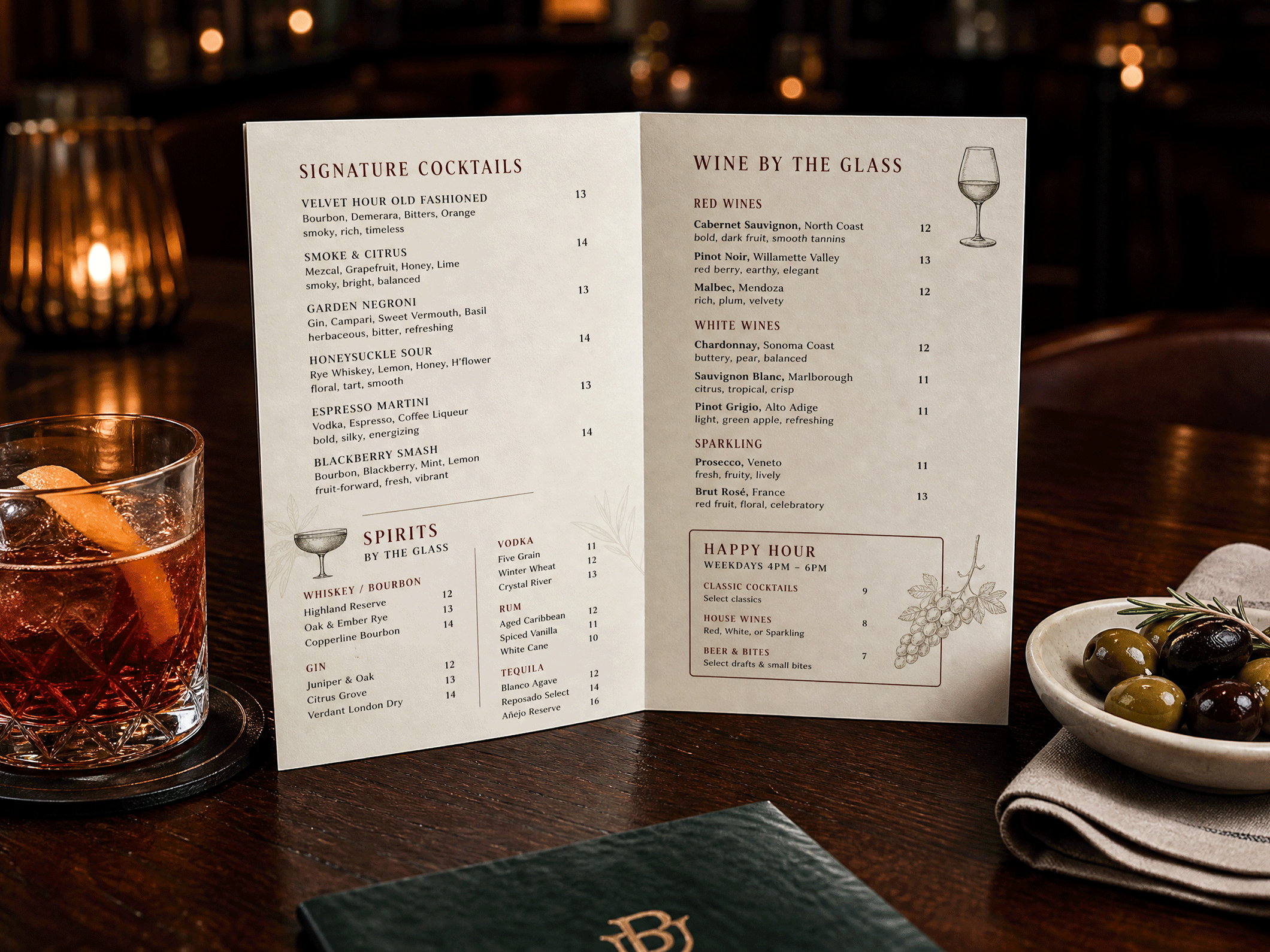
Dine-in menus are widely used in restaurants, cafés, bars, and hospitality environments where customers browse options at the table. They are suitable for food menus, drink lists, dessert menus, and specialty offerings.
Because they are part of the in-person dining experience, well-designed menus can improve readability, reinforce branding, and enhance overall customer perception.
For best results, keep layouts simple with clear hierarchy and strong contrast. Focus on essential details to ensure readability and long-term visibility. If needed, our Design Services can help refine your layout and prepare print-ready files. Design fees can be credited back upon order to help manage costs.
Paper Stock
Choose from a range of paper options to match your preferred print finish, readability, and everyday handling needs.
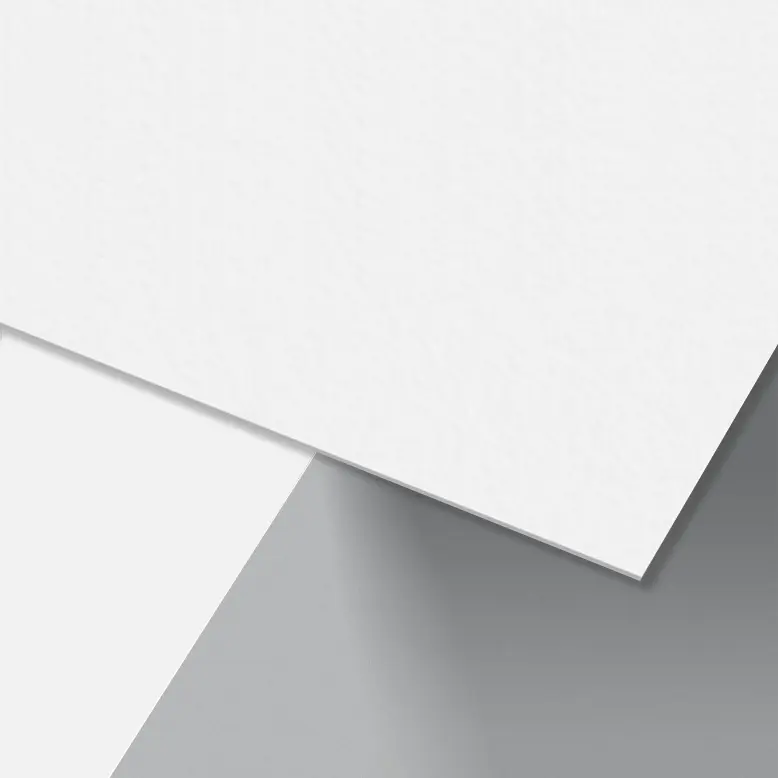
10 pt. Uncoated Cover
- Natural, uncoated paper stock with a clean paper texture
- Contains a writable surface for notes, signatures, and stamps
- Soft matte appearance with minimal glare
- Light-to-medium weight cover stock
- 10 pt. thickness
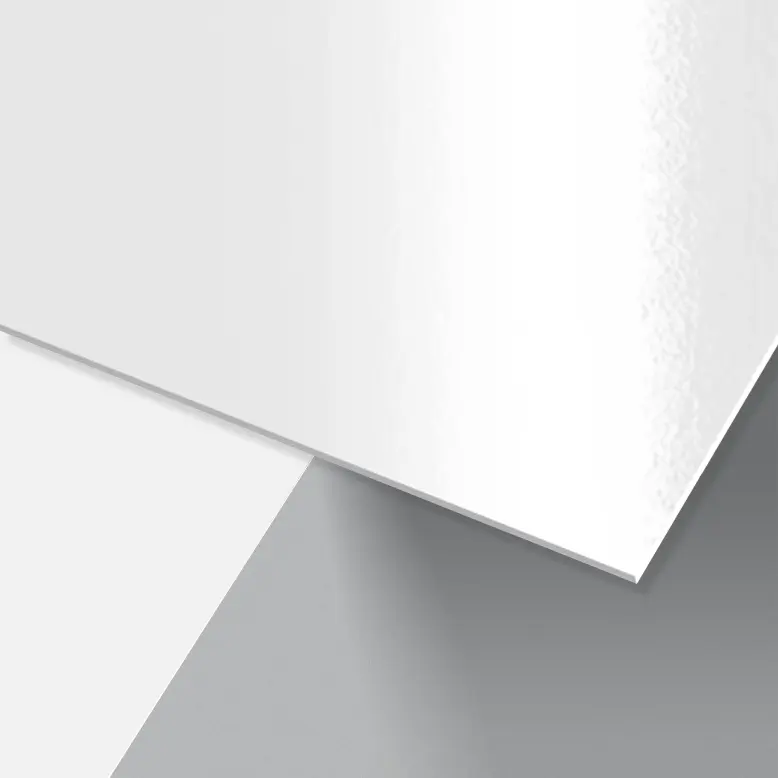
14 pt. High Gloss UV (Front Only)
- High-gloss UV coating applied to the front side only
- Enhances color depth and shine on the printed face
- Back side remains uncoated for a clean, natural feel
- Smooth, polished appearance with strong visual impact
- 14 pt. thickness
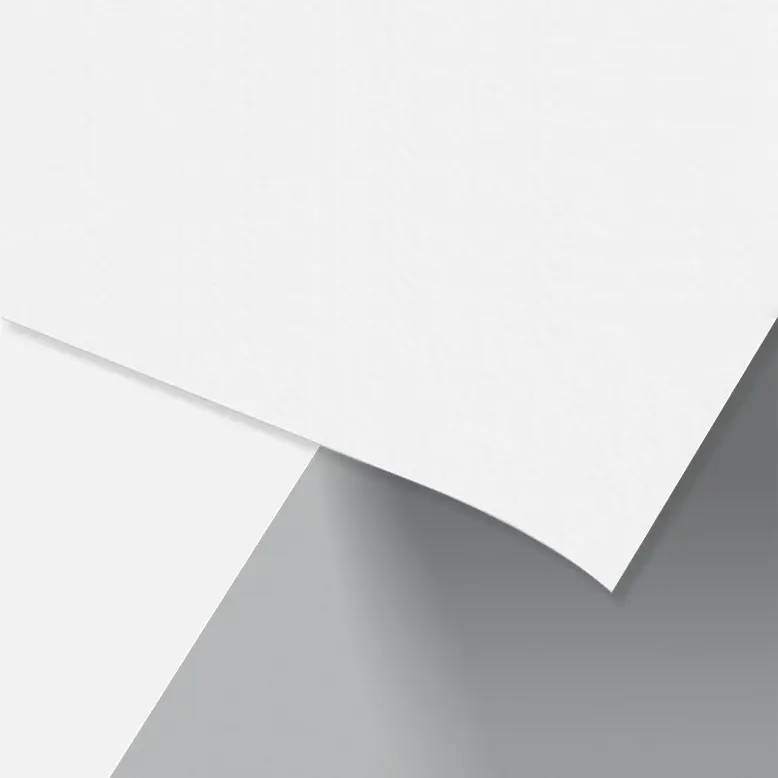
80 lb. Uncoated Paper
- Natural, uncoated paper stock with a classic paper feel
- Contains a writable surface for notes, signatures, and stamps
- Soft matte appearance with minimal glare
- Medium-weight paper suitable for everyday printing
- 80 lb. paper weight
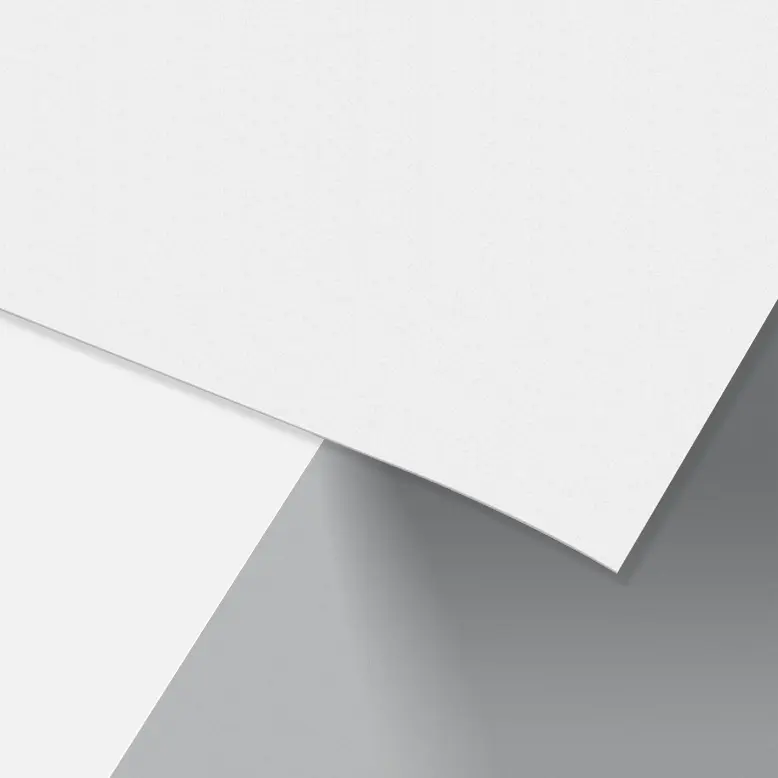
100 lb. Matte Paper
- Smooth matte coated surface with reduced glare
- Soft, professional look for easy reading
- Heavier-weight paper with a refined feel
- 100 lb. paper weight
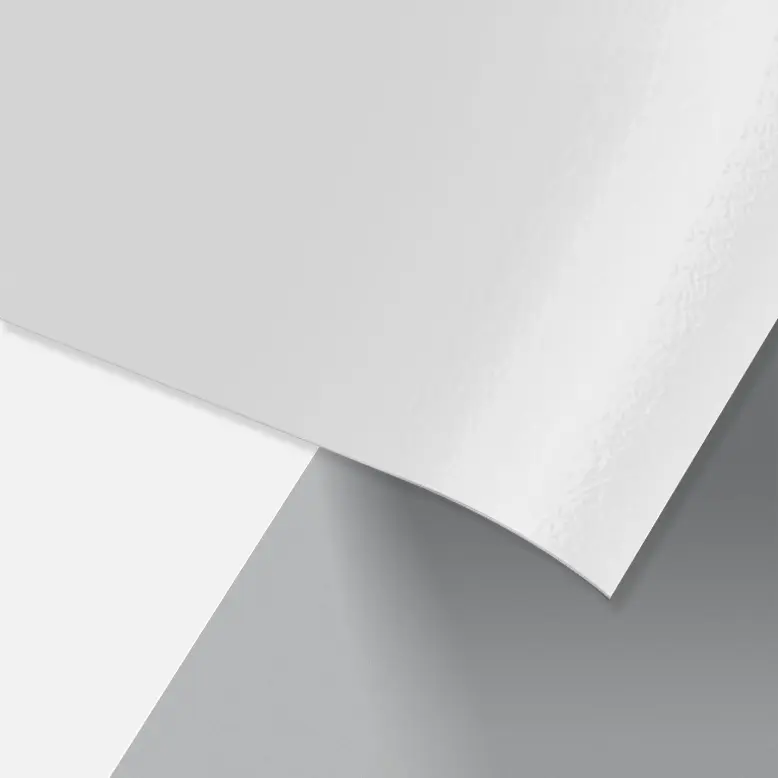
100 lb. Gloss Paper
- Smooth gloss coated paper for vibrant color reproduction
- Bright finish enhances images and graphics
- Heavier-weight paper with a premium feel
- 100 lb. paper weight
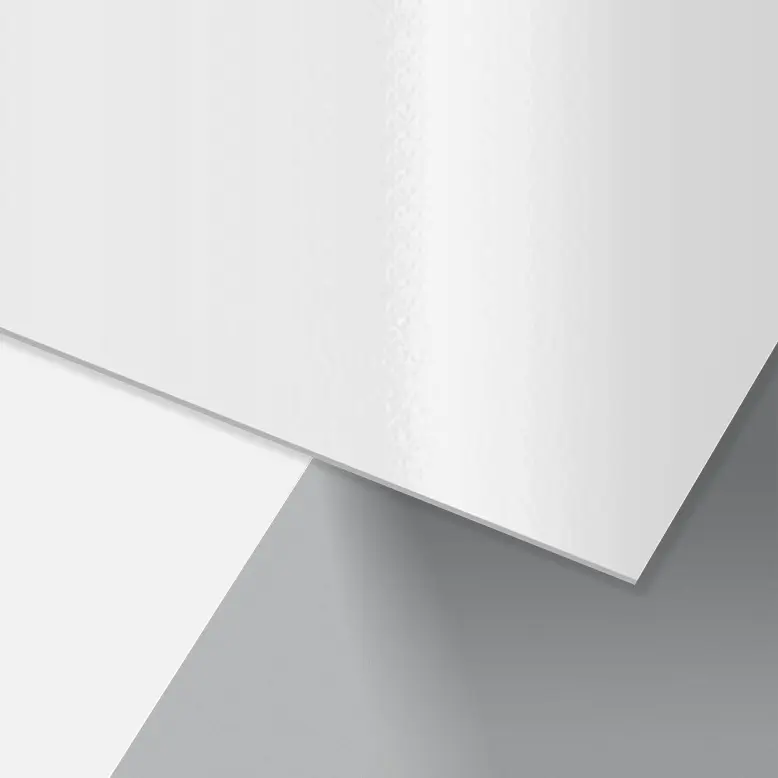
14 pt. Cardstock Gloss
- Smooth gloss coated surface for vibrant, high-impact color
- Bright finish enhances images and graphic details
- Sturdy cardstock with a classic premium feel
- 14 pt. thickness
Folding Options
Choose from different folding options to organize your menu layout, improve readability, and fit your content more effectively.
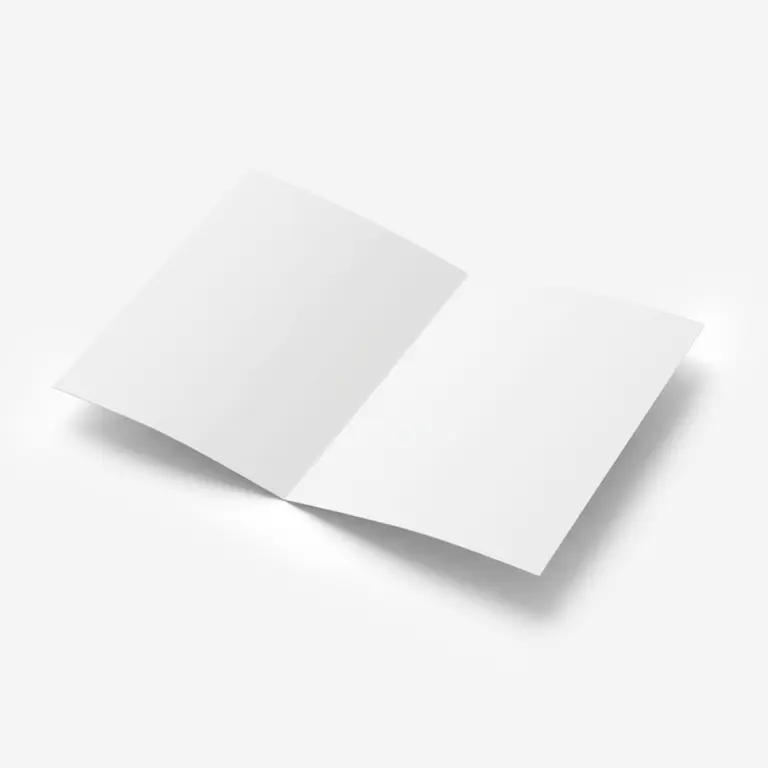
4.25" × 11" Bi-Fold Menu
- Flat Size: 4.25" × 11"
- Folded Size: 4.25" × 5.5"
- Folded once in the center to create four panels.
A slim folded format suitable for drink menus, dessert menus, or narrow dine-in layouts.
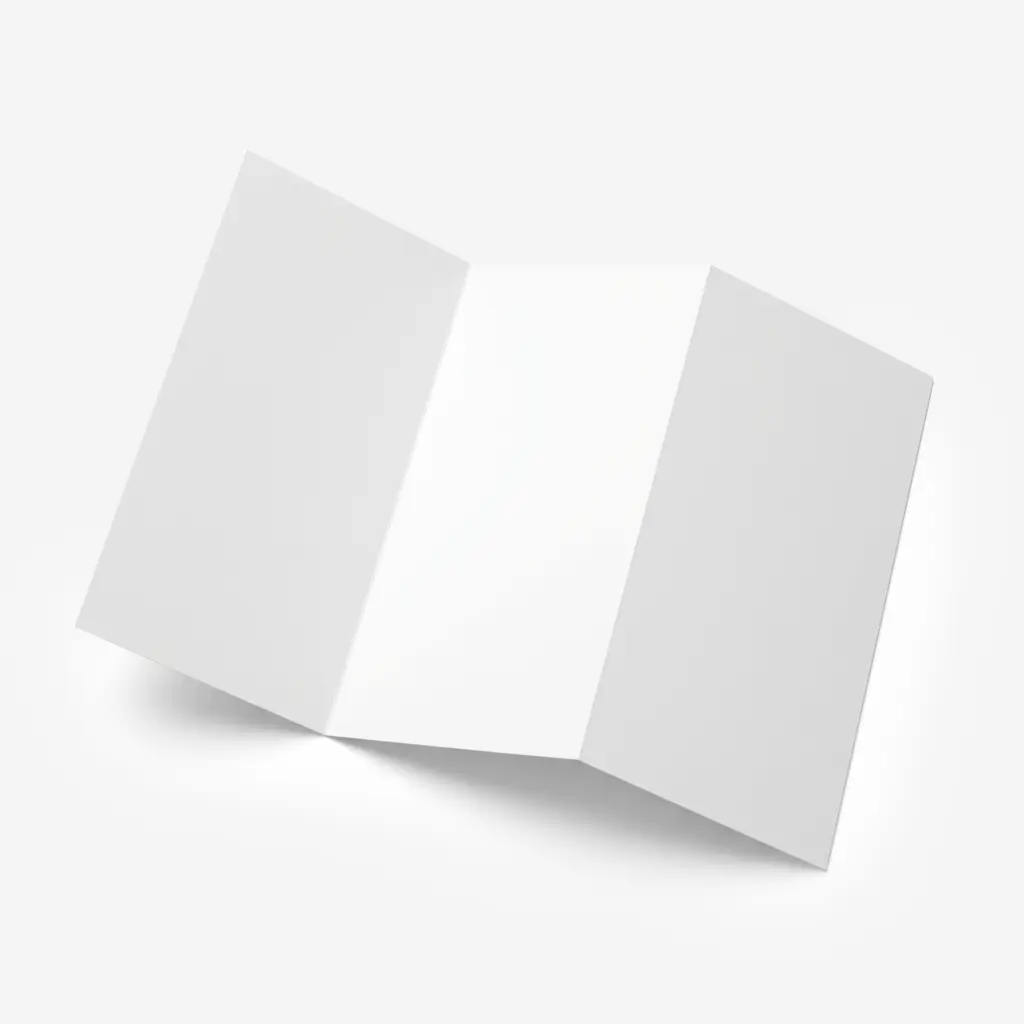
4.25" × 11" Z-Fold Menu
- Flat Size: 4.25" × 11"
- Folded Size: 4.25" × 3.67" (per panel)
- Accordion-style folding with three connected panels.
Ideal for narrow menu layouts that need a smooth, panel-by-panel reading flow.
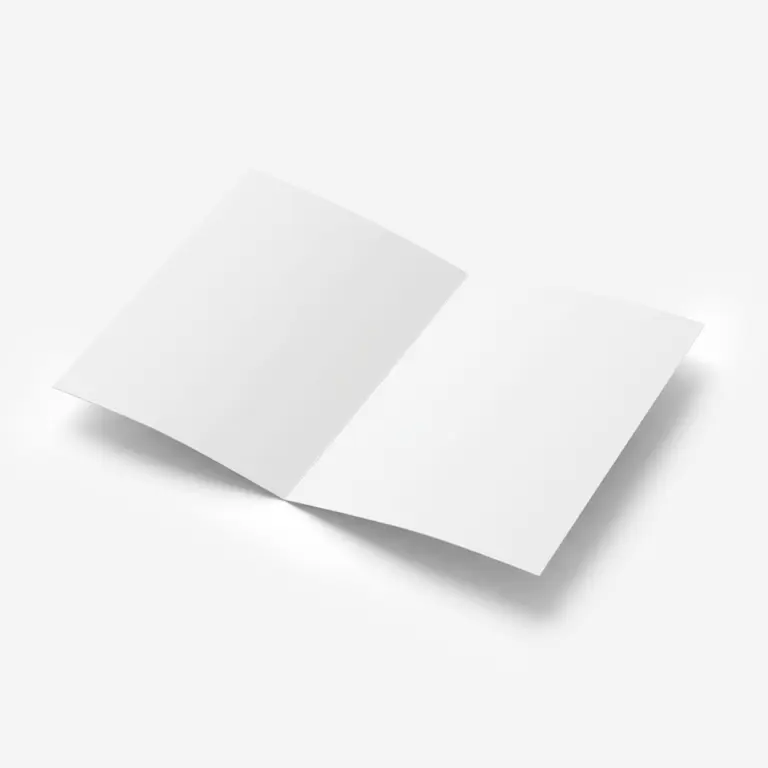
5.5" × 8.5" Bi-Fold Menu
- Flat Size: 5.5" × 8.5"
- Folded Size: 5.5" × 4.25"
- A compact center-fold menu with four panels.
Suitable for café menus, dessert menus, and smaller dine-in formats.
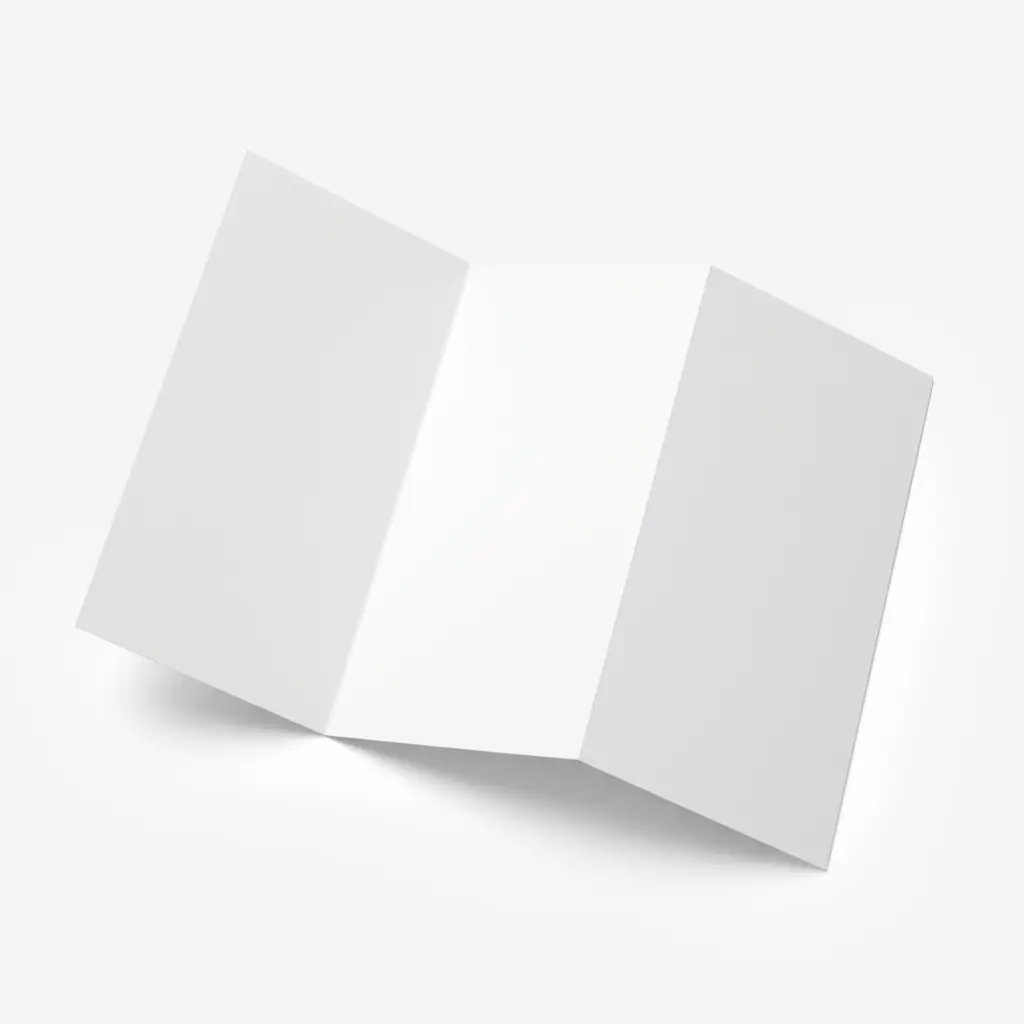
5.5" × 8.5" Z-Fold Menu
- Flat Size: 5.5" × 8.5"
- Folded Size: 5.5" × 2.83" (per panel)
- Three connected accordion-style panels.
Works well for organizing menu items into small, easy-to-scan sections.
8.5" × 11" Bi-Fold Menu
- Flat Size: 8.5" × 11"
- Folded Size: 8.5" × 5.5"
- One of the most common restaurant menu formats.
The center fold creates four balanced panels for categories, specials, and drinks.
8.5" × 11" Z-Fold Menu
- Flat Size: 8.5" × 11"
- Folded Size: 8.5" × 3.67" (per panel)
- A popular folded format for menus with multiple sections.
The accordion fold allows content to open smoothly from panel to panel.
11" × 17" Bi-Fold Menu
- Flat Size: 11" × 17"
- Folded Size: 11" × 8.5"
- Large folded menu format with generous space for photos, descriptions, and multi-section layouts.
11" × 17" Z-Fold Menu
- Flat Size: 11" × 17"
- Folded Size: 11" × 5.67" (per panel)
- Accordion-style folding with three wide panels.
Ideal for detailed dine-in menus, seasonal specials, or image-heavy layouts.
Laminated Finish Options
Choose from gloss and matte laminated finish options to improve durability, reduce wear, and match your preferred menu presentation.

3 mil Gloss (Sealed)
- Thick sealed plastic laminate with a smooth, glossy finish
- Enhances color vibrancy and food photography
- Water-, grease-, and stain-resistant surface
- Ideal for durable restaurant menus and drink lists
3 mil Matte (Sealed)
- Sealed plastic laminate with a soft, non-reflective finish
- Reduces glare under restaurant lighting
- Resistant to moisture, grease, and frequent wiping
- Ideal for elegant dine-in menus and wine lists
Frequently Asked Questions
What is the difference between disposable and laminated dine-in menus?
What folding styles are available?
Do all menu sizes support folding?
What paper options are available for disposable menus?
What materials are used for laminated menus?
Can laminated menus be folded?
Can I print on both sides of the menu?
How long does delivery take?
Product Specs & Templates

Our production team will remove the guideline lines before printing, and they will NOT appear on the final product.

We believe effective visual communication starts with clarity, responsibility, and thoughtful planning. Our focus is not just on outcomes, but on building a reliable process that delivers consistent results across every order.
By combining efficient production workflows with carefully selected materials, we aim to reduce unnecessary waste while maintaining dependable quality. This approach allows us to support both everyday needs and larger initiatives without introducing complexity or uncertainty.
Early planning plays a key role in how we work. When projects are prepared in advance, production becomes smoother, resources are used more efficiently, and costs stay predictable. This mindset helps create better results for everyone involved.
From initial setup to final delivery, we prioritize transparency, consistency, and support. Our goal is to make each step clear and manageable, so expectations are aligned and outcomes remain dependable.
At every stage, we focus on building long-term trust through practical decisions, steady execution, and a commitment to responsible production.