





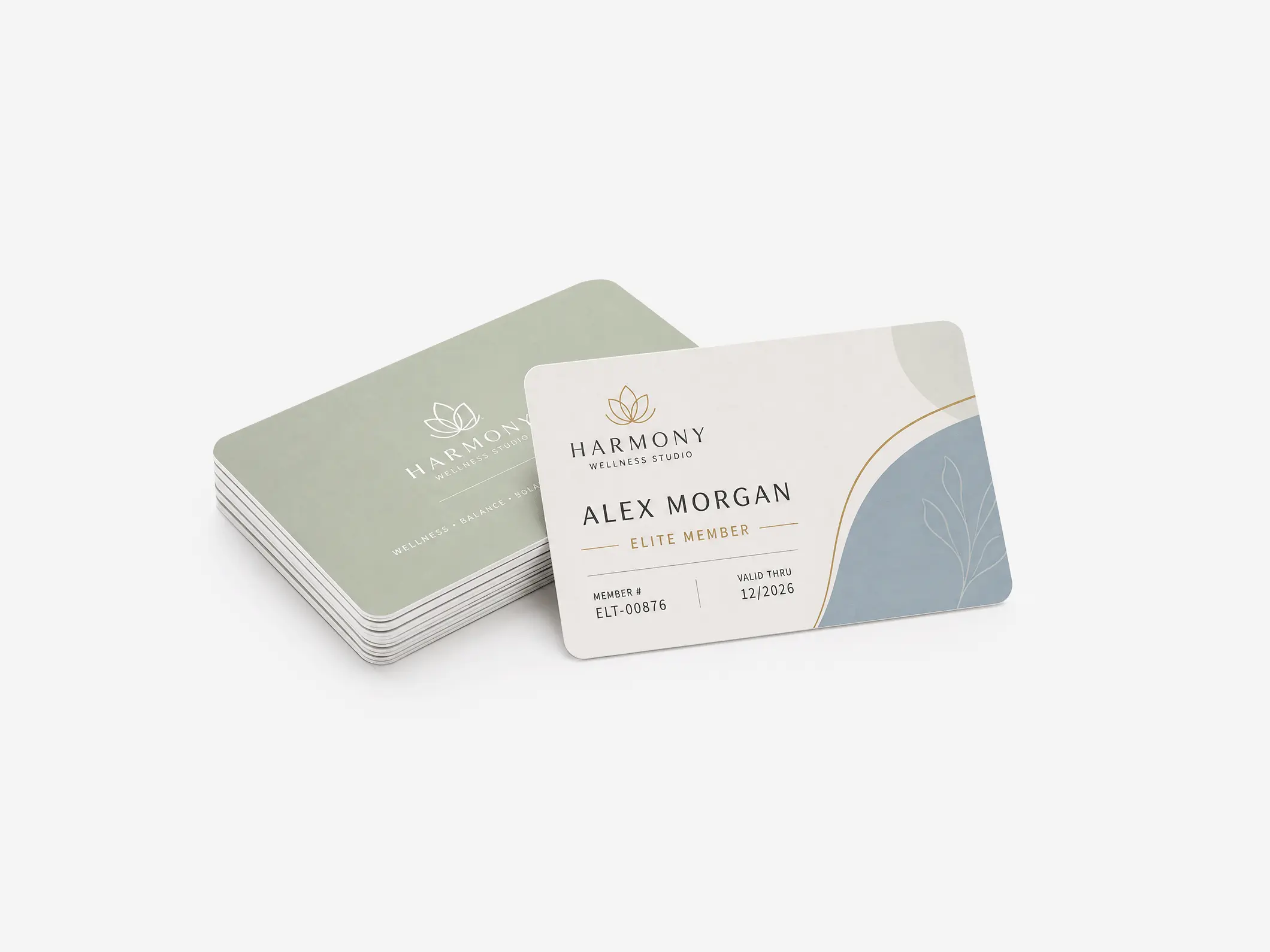
Membership Cards



Membership Cards Overview
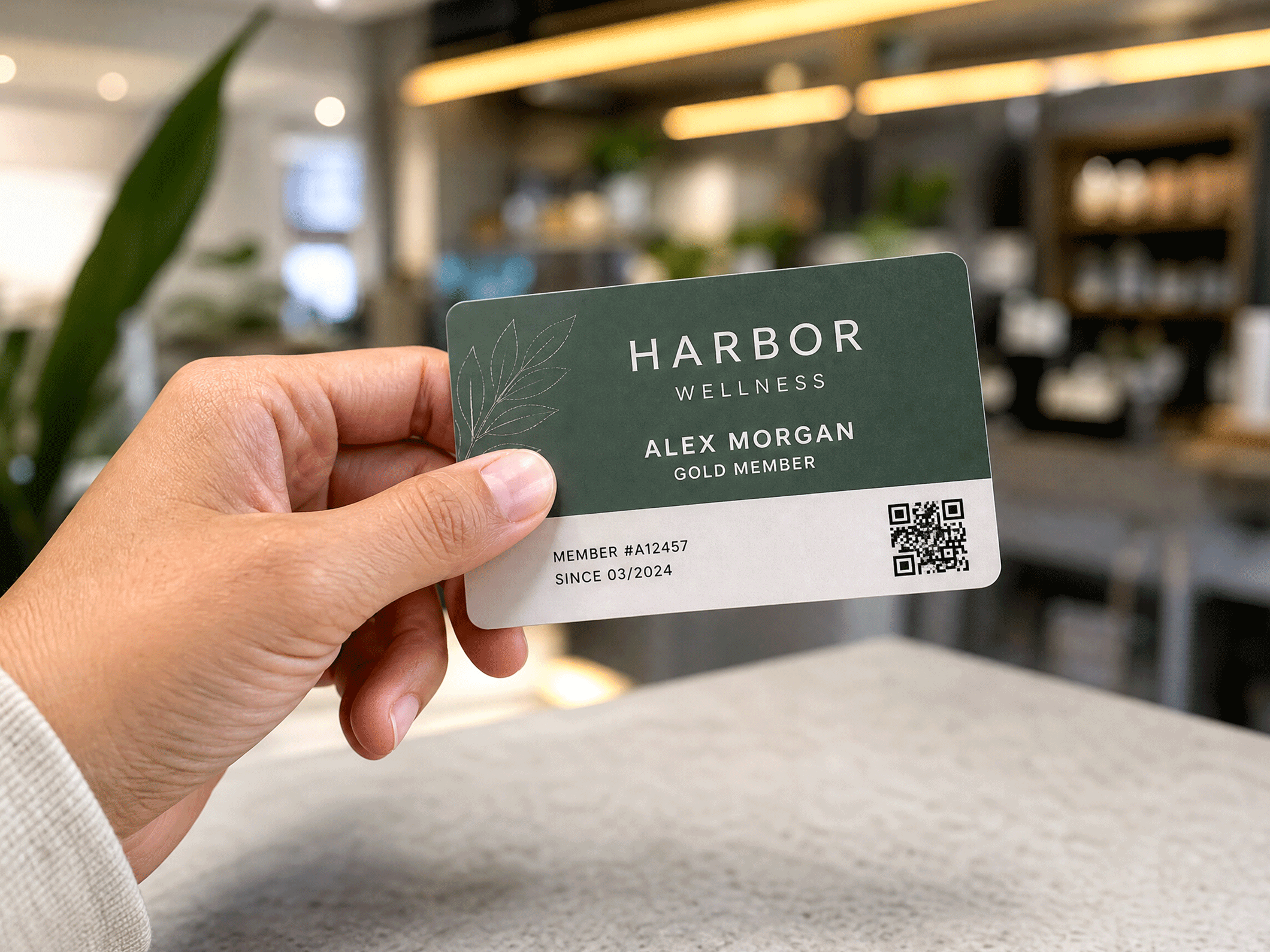
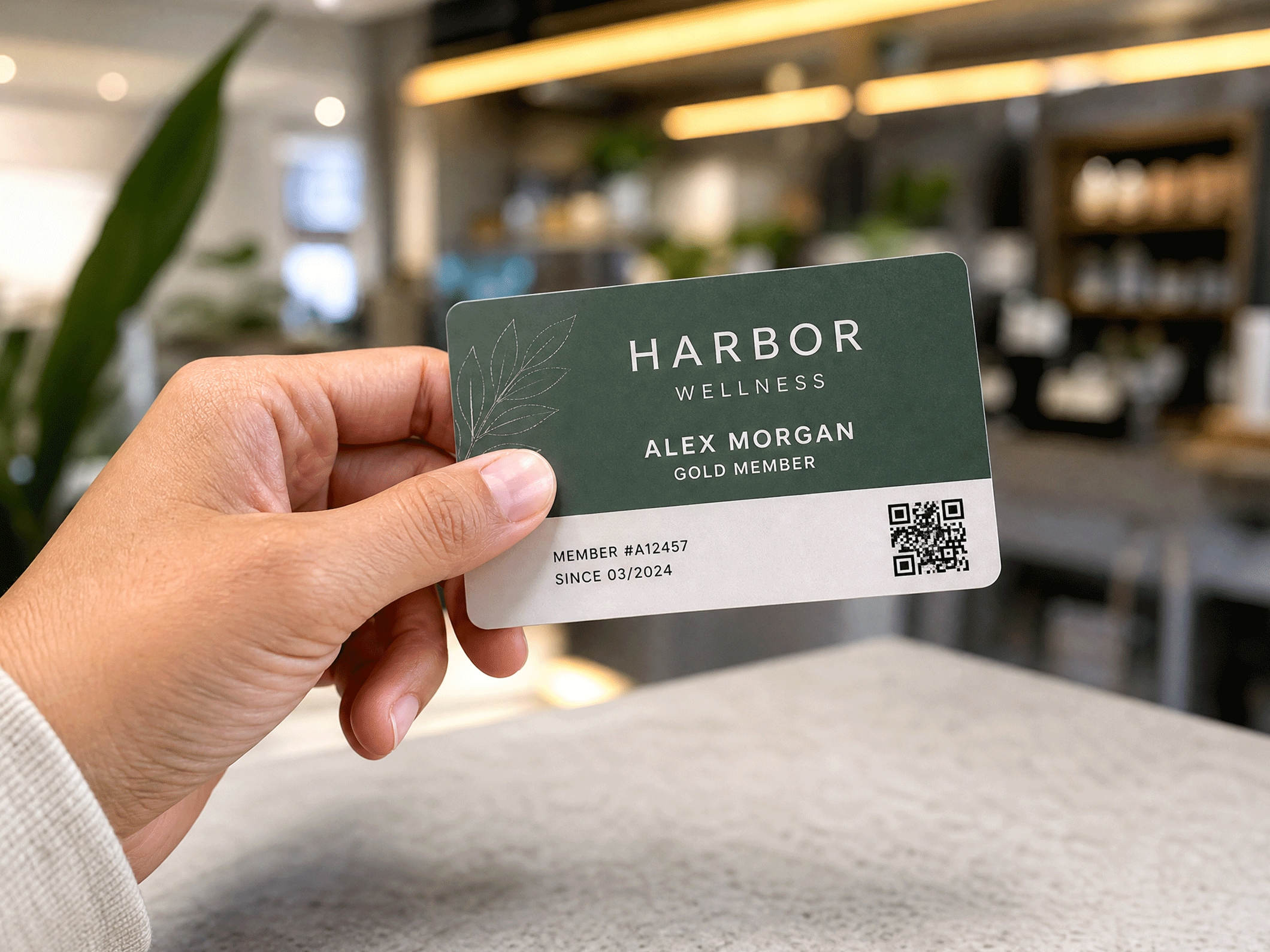
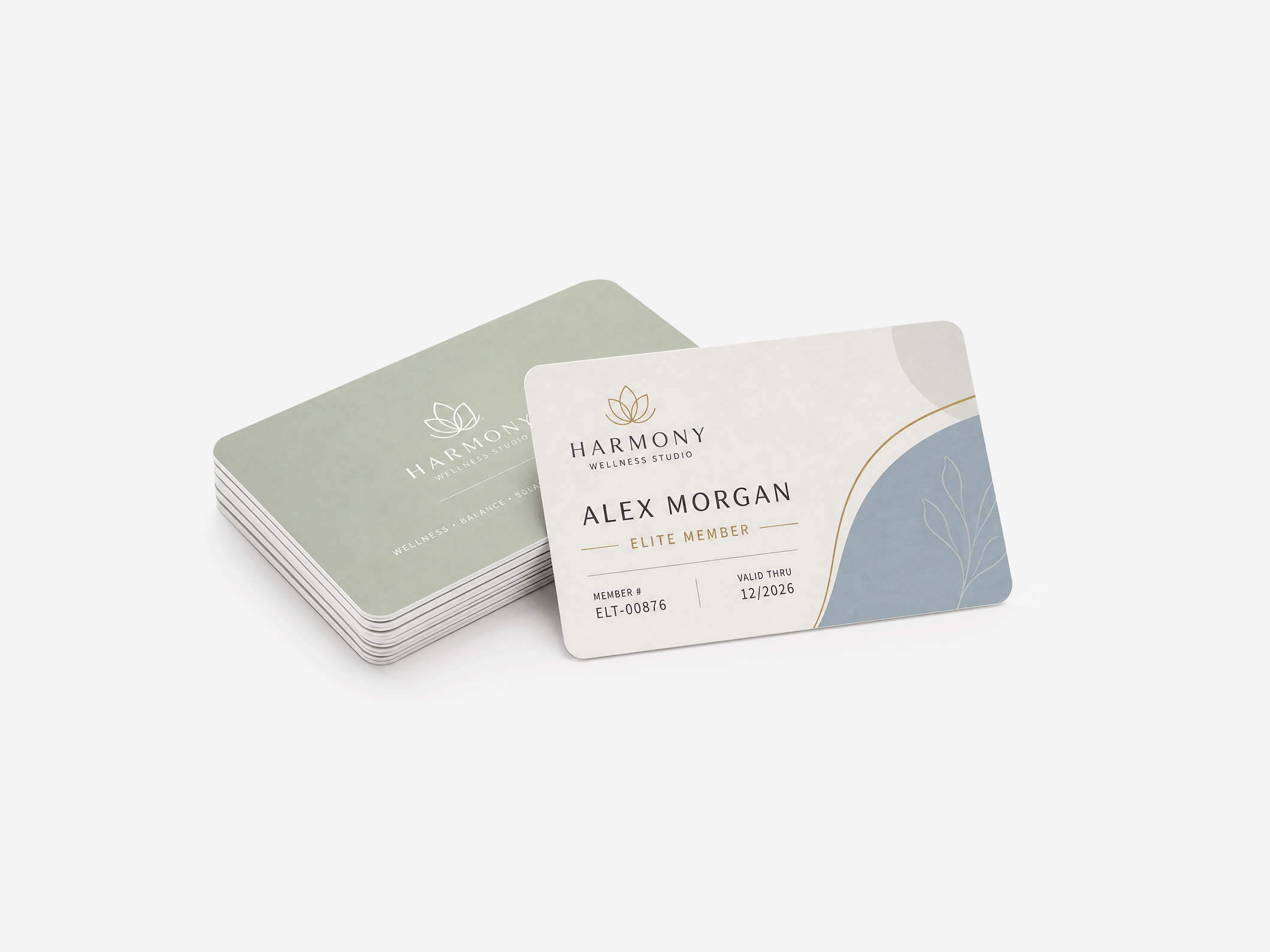
Membership cards are designed for systems where identification, tracking, or customer management is required. Unlike standard business cards, which are primarily used for sharing contact information, membership cards serve as a functional tool for recognizing individuals, verifying access, and supporting ongoing engagement.
Produced in a durable plastic format, they are built to withstand frequent handling and long-term use. This makes them suitable for environments such as retail programs, gyms, clubs, events, and service-based businesses that rely on repeat customer interaction.
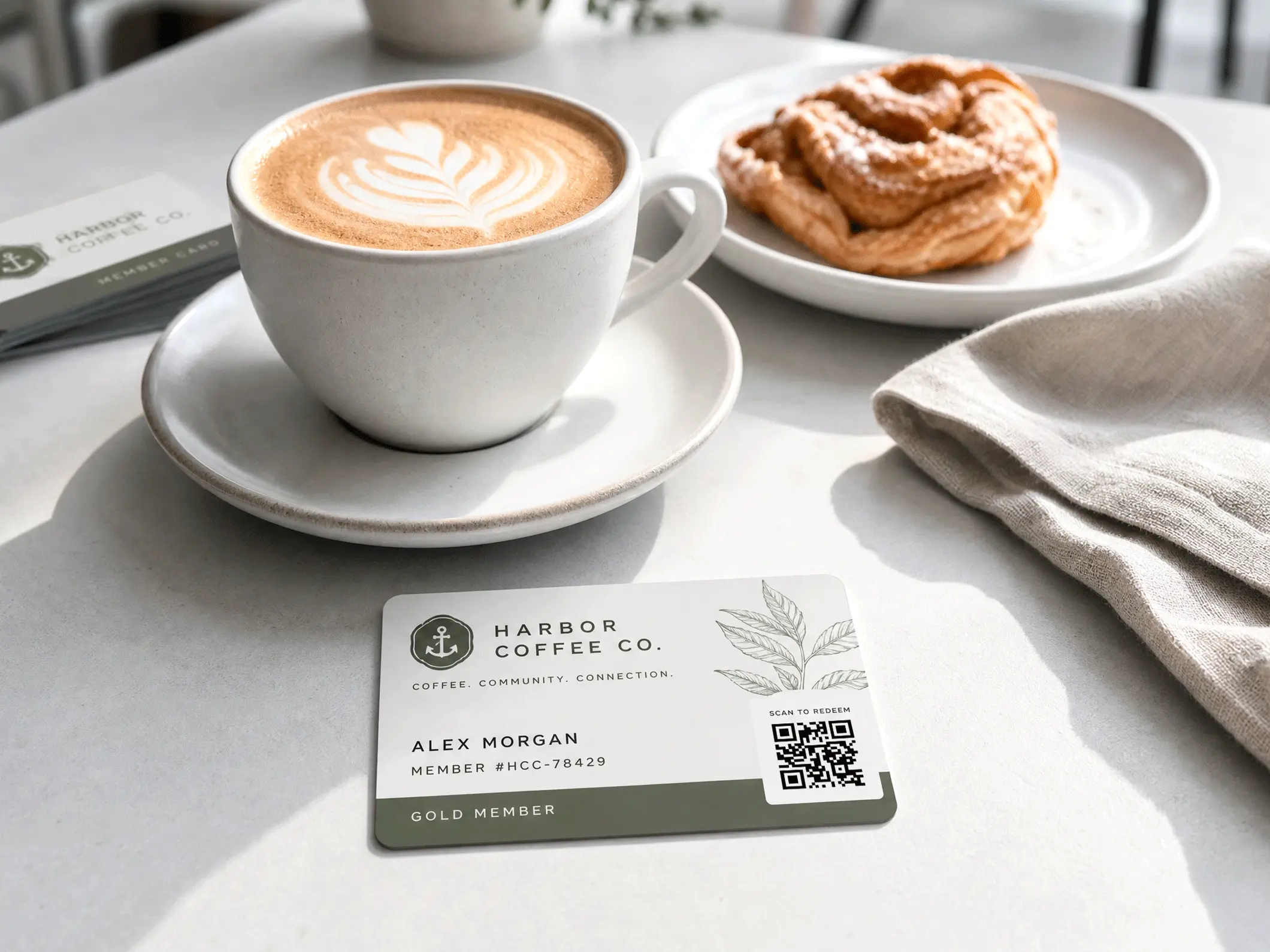
With options for barcodes and QR codes, membership cards can integrate with scanning systems, databases, or mobile workflows. For businesses focused on contactless digital interaction rather than identification systems, NFC business cards may offer a more suitable alternative. If your goal is simply to link printed materials to online content, QR code business cards provide a simpler solution.
If your goal is to create a structured system for member identification and engagement, choosing the right card format, code type, and finish will directly impact usability and efficiency.
When Should You Choose Membership Cards
Choose membership cards when your business or organization needs to identify individuals, manage access, or track participation. They are ideal for loyalty programs, membership systems, and environments where repeat interaction is expected.
If your goal is only to share contact information, a business card may be sufficient. But when identification and system integration are required, membership cards are the better choice.
Common Use Cases for Membership Cards
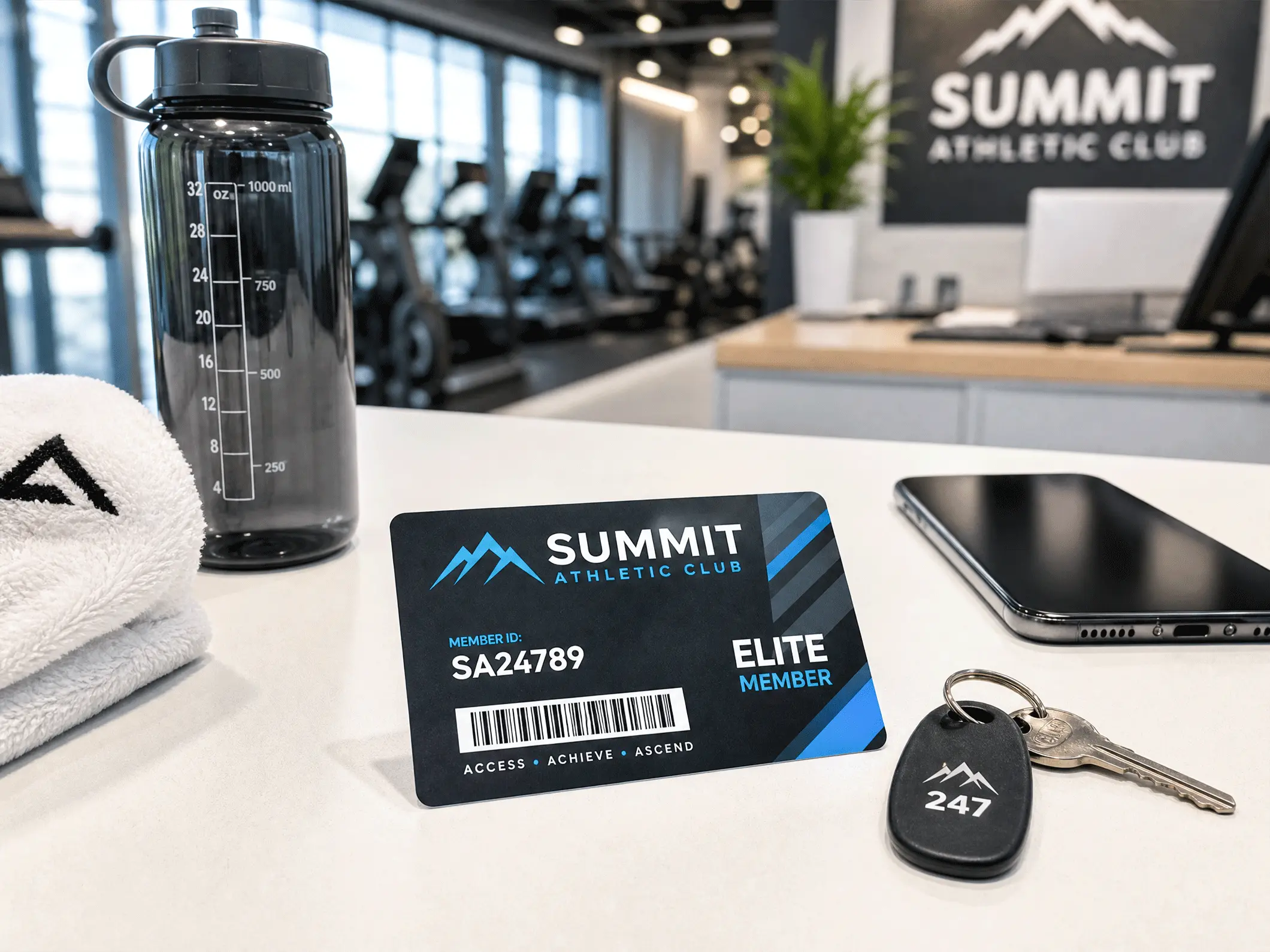
Membership cards are widely used for loyalty programs, gyms, clubs, retail memberships, and event access systems. They are also common in environments that require check-in, verification, or customer tracking.
Because they can integrate with scanning systems and databases, they are especially effective for businesses that rely on repeat customers and structured engagement.
Choosing the Right Code Type
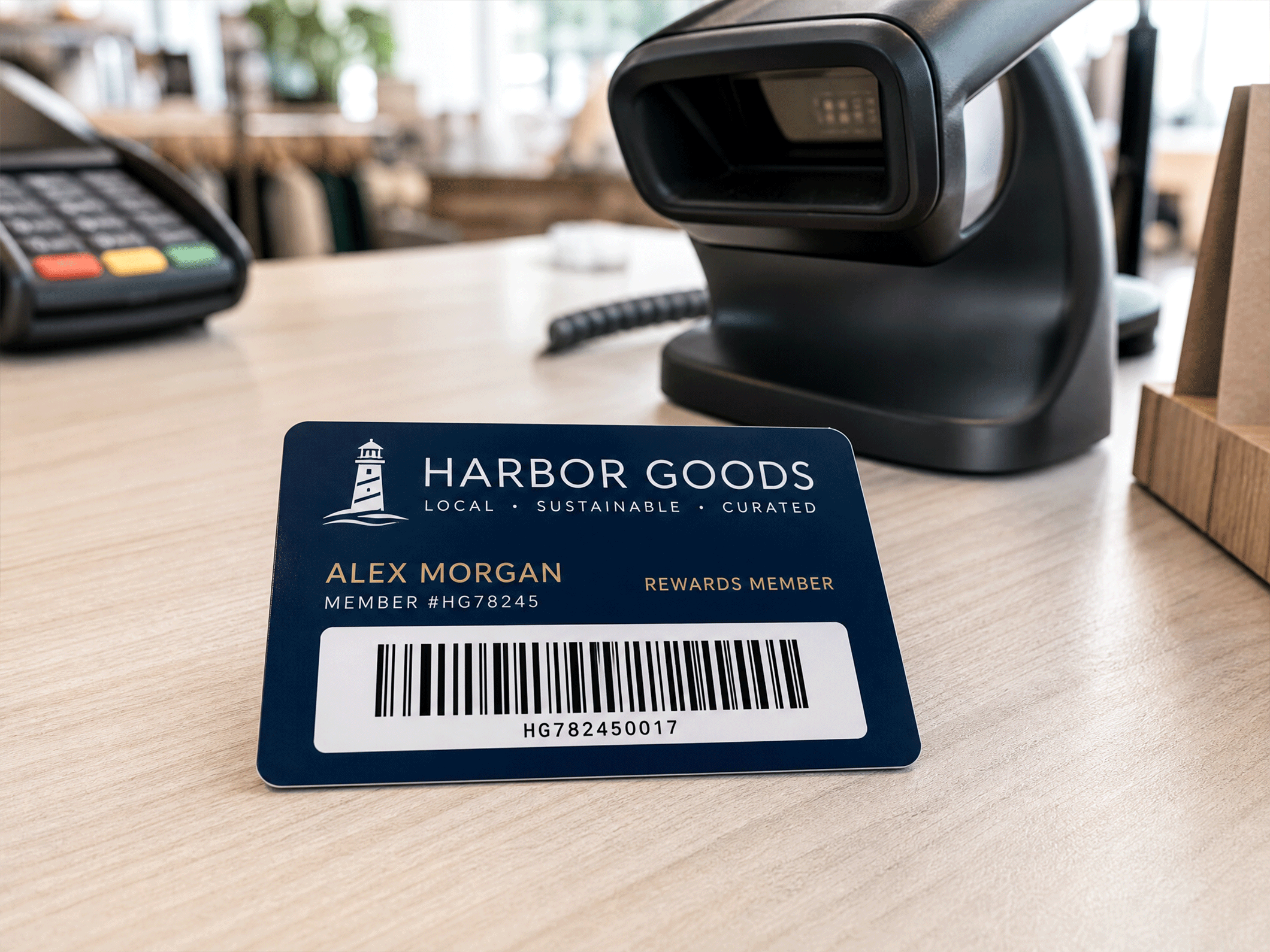
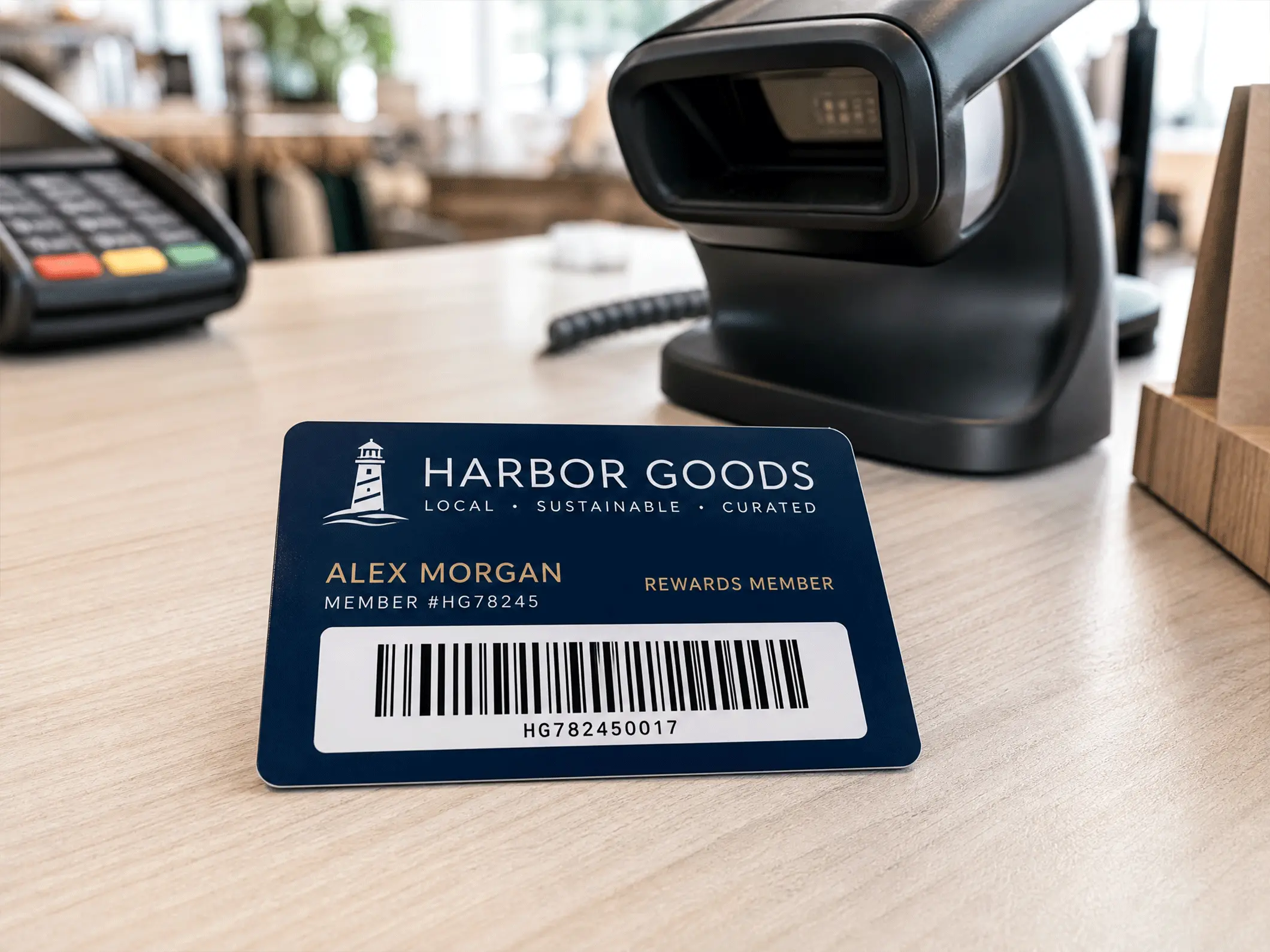
The choice between barcode and QR code depends on how the card will be used. Barcodes are commonly used for POS systems and fast scanning in controlled environments, while QR codes provide more flexibility for mobile scanning and broader compatibility.
Sequential codes are useful for assigning unique IDs to individuals, while fixed QR codes are better suited for linking all users to the same digital destination.
Material and Durability
Membership cards are typically produced using durable plastic materials that resist water, bending, and everyday wear. This ensures that the card remains functional and readable even with frequent use.
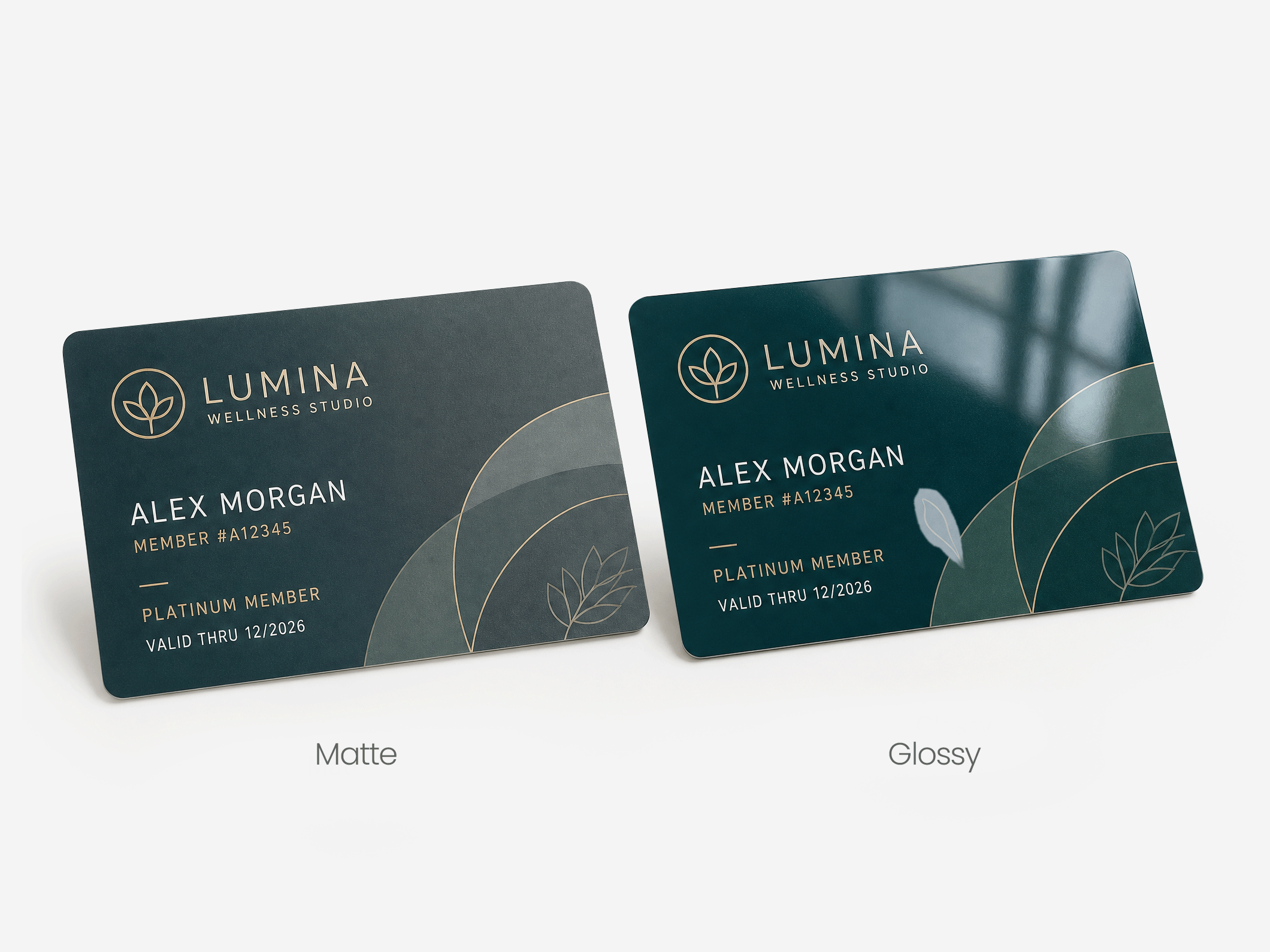
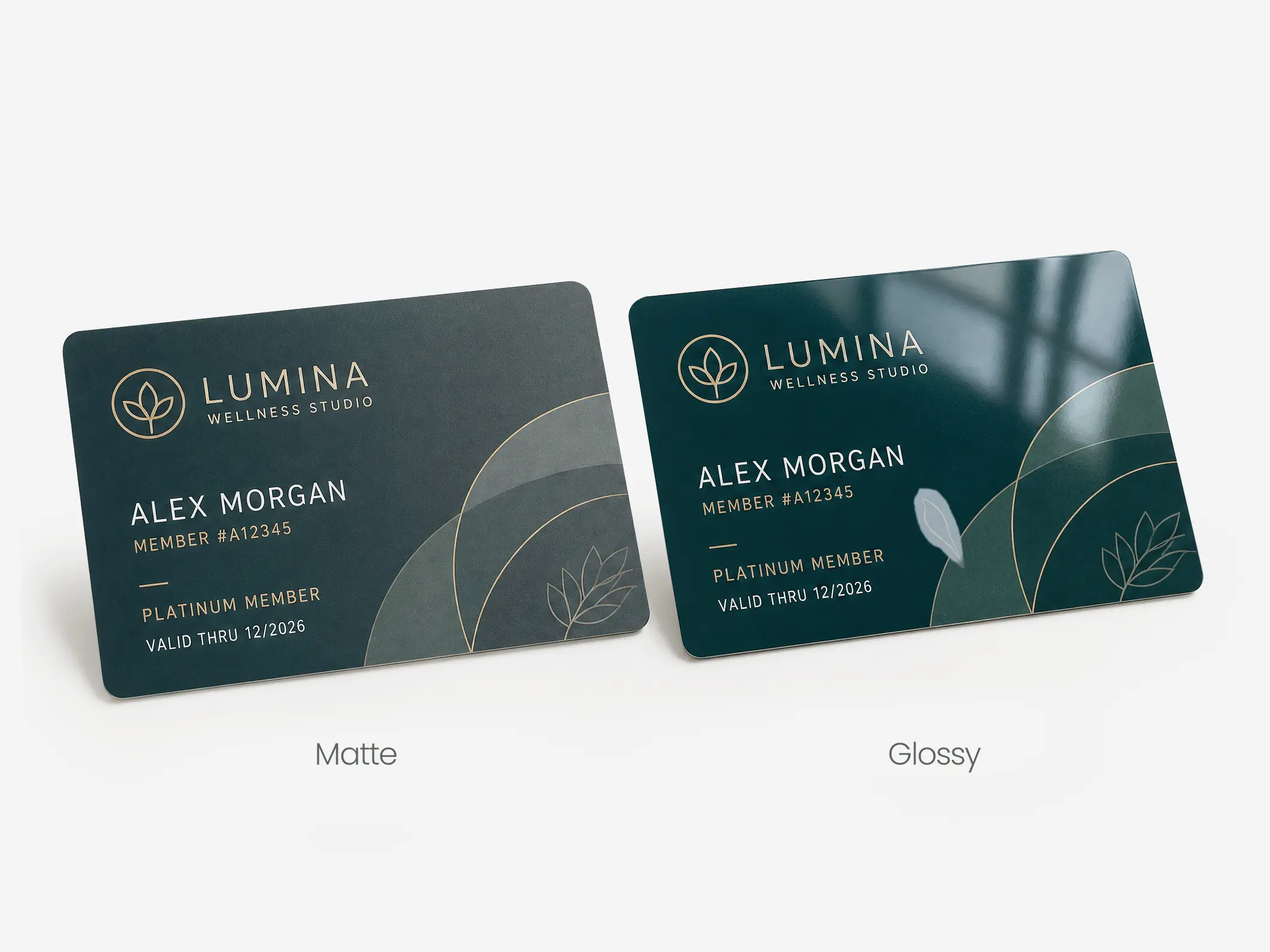
Matte finishes provide a subtle, non-glare surface, while glossy finishes enhance visual clarity and color vibrancy. Choosing the right finish depends on how the card will be handled and the environment in which it will be used.
For best results, keep layouts simple with clear hierarchy and strong contrast. Focus on essential details to ensure readability and long-term visibility. If needed, our Design Services can help refine your layout and prepare print-ready files. Design fees can be credited back upon order to help manage costs.
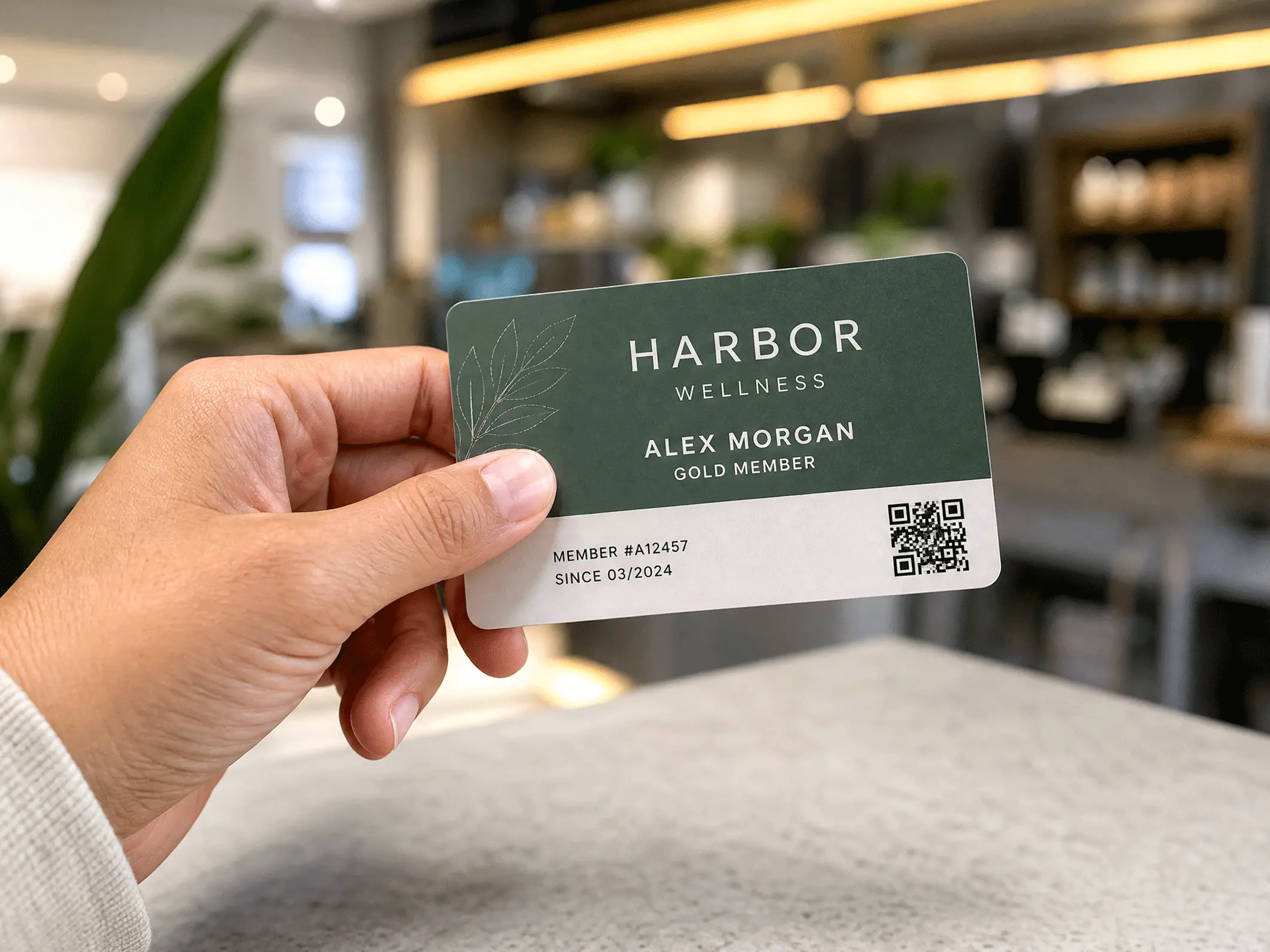
Finish Options
Choose from matte and glossy finish options to match your preferred look, readability, and overall card presentation.

Matte
- Smooth matte surface reduces glare for easy readability
Soft, refined finish delivers a clean, professional look
Premium PVC material provides a firm, sturdy feel
Approximately 0.76 mm thickness for long-lasting durability

Glossy
- High-gloss surface delivers vibrant, eye-catching color
Glossy finish enhances image clarity and visual impact
Premium PVC material provides a firm, sturdy feel
Approximately 0.76mm thickness for long-lasting durability
Code Options
Choose from barcode and QR code options based on how you plan to identify members, manage scanning, or connect cards to digital content.
Barcode (Code 128)
Sequential Barcodes
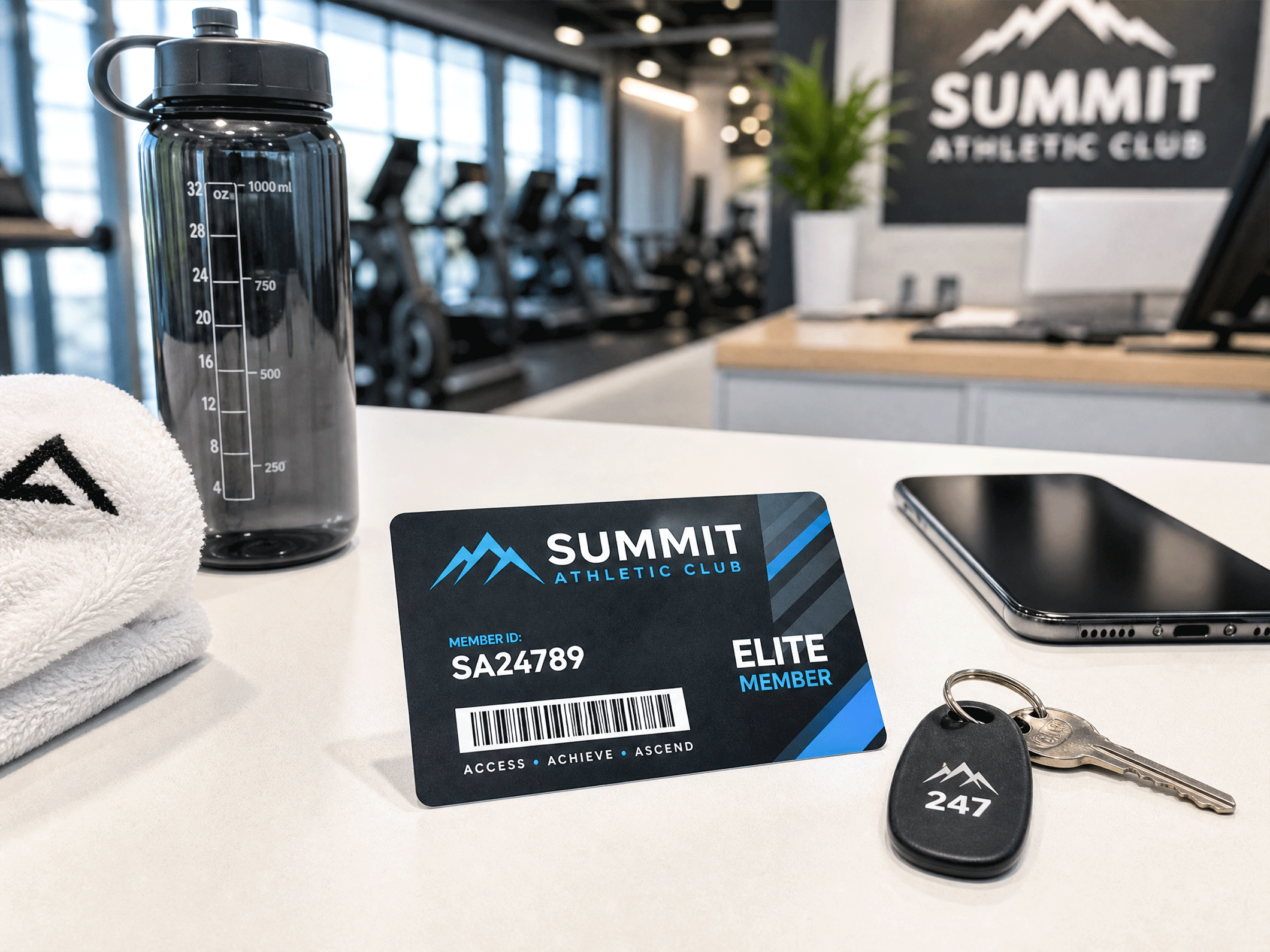
Each card is printed with a unique sequential barcode using the widely supported Code 128 format. Barcode numbers are automatically generated in sequence, making it easy to identify individual members.
Sequential barcodes are commonly used with POS systems and barcode scanners for fast and reliable member identification.
Example numbering
10000001
10000002
10000003
Best for
- Loyalty programs
- POS membership systems
- Access identification
- Inventory or asset tracking
QR Code
Sequential QR Code
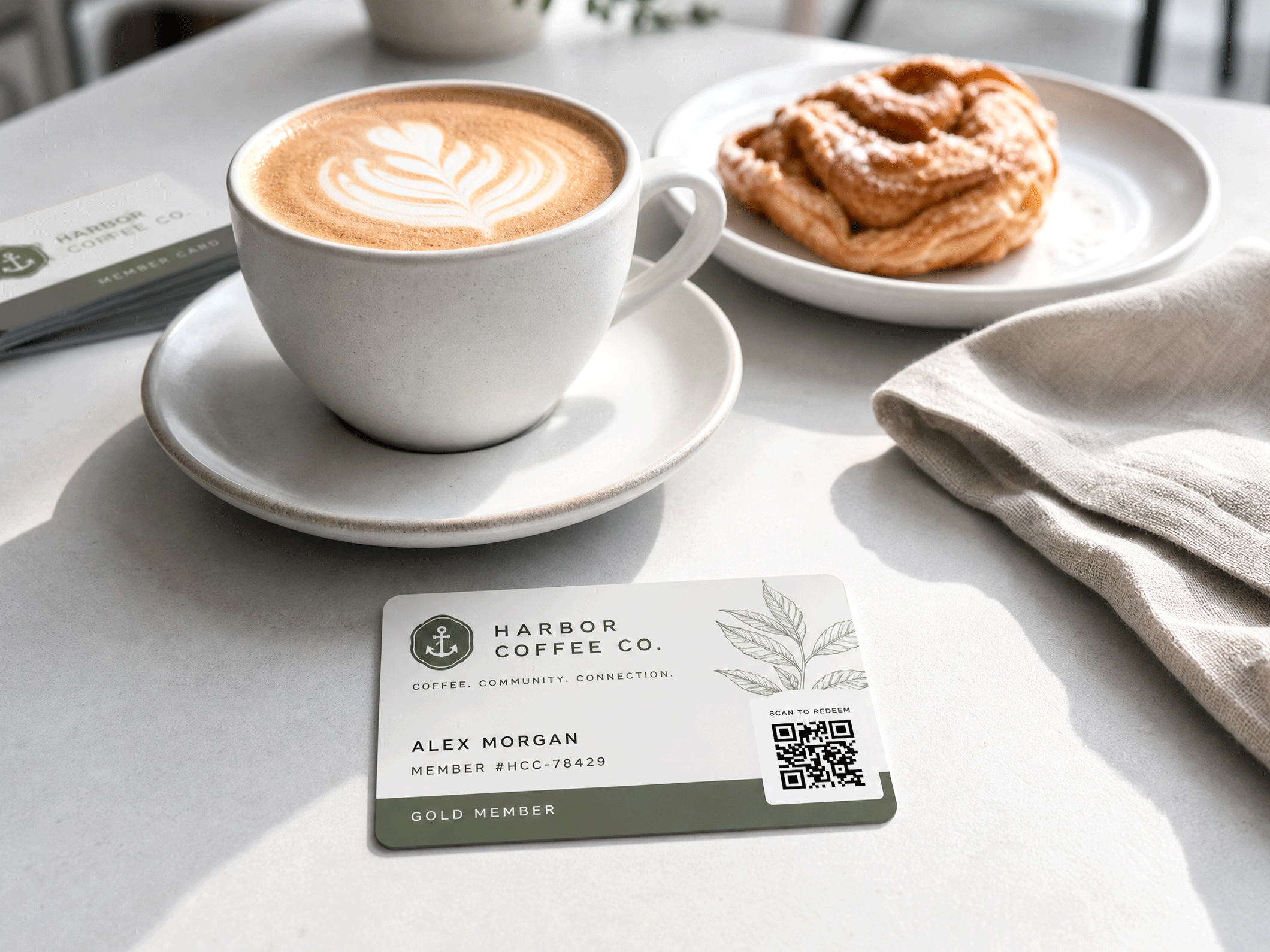
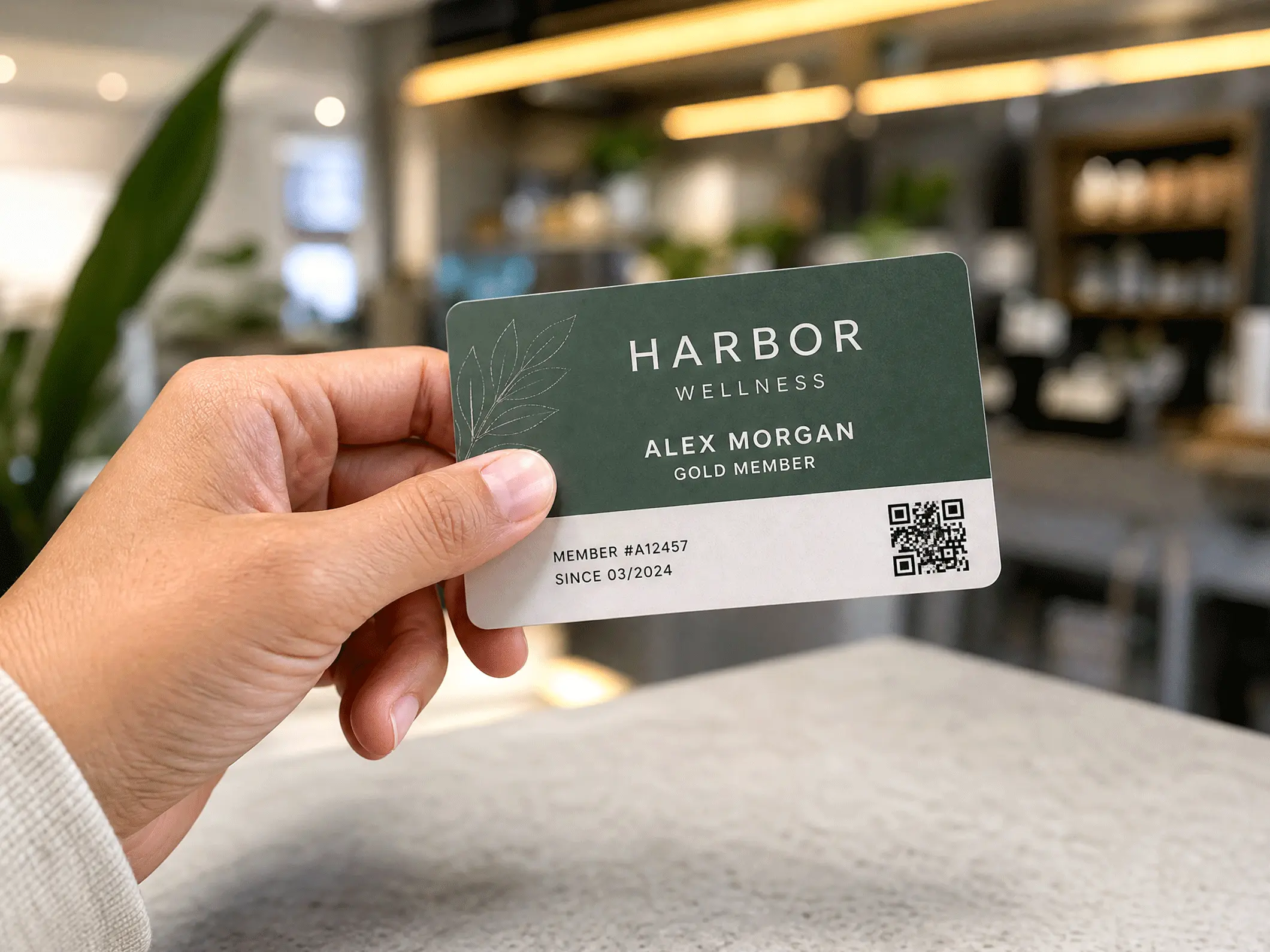
Each card includes a unique QR code generated from a sequential member ID. When scanned with a smartphone or scanning device, the QR code can be used by your system to identify individual users or verify membership.
This option works well for digital systems that rely on QR code scanning.
Example QR code data
10000001
10000002
10000003
Best for
- Event check-in systems
- Membership verification
- Mobile scanning applications
- Digital loyalty programs
QR Code
Upload Your QR Code
If you already have a QR code linking to a website, menu, or other digital content, you can upload your QR code image as part of your design.
The same QR code will be printed on every card exactly as provided.
Common uses
- Website links
- Restaurant menus
- Social media pages
- Promotional campaigns
Number Printing Guidelines
To ensure clear readability, numbering color is automatically adjusted based on the card background color during production.
- For dark background colors, numbers will be printed in orange by default.
- For light or non-dark background colors, numbers will be printed in black by default.
This adjustment helps maintain strong contrast and makes the numbering easier to read.
Frequently Asked Questions
What materials are the cards made from?
Can the cards include barcodes?
Can the cards include QR codes?
What are sequential barcodes or sequential QR codes?
When do I enter the starting number for sequential codes?
Can barcode and QR code be used together?
Product Specs & Templates

Our production team will remove the guideline lines before printing, and they will NOT appear on the final product.

We believe effective visual communication starts with clarity, responsibility, and thoughtful planning. Our focus is not just on outcomes, but on building a reliable process that delivers consistent results across every order.
By combining efficient production workflows with carefully selected materials, we aim to reduce unnecessary waste while maintaining dependable quality. This approach allows us to support both everyday needs and larger initiatives without introducing complexity or uncertainty.
Early planning plays a key role in how we work. When projects are prepared in advance, production becomes smoother, resources are used more efficiently, and costs stay predictable. This mindset helps create better results for everyone involved.
From initial setup to final delivery, we prioritize transparency, consistency, and support. Our goal is to make each step clear and manageable, so expectations are aligned and outcomes remain dependable.
At every stage, we focus on building long-term trust through practical decisions, steady execution, and a commitment to responsible production.