





Z-Fold Brochures



Z-Fold Brochures Overview
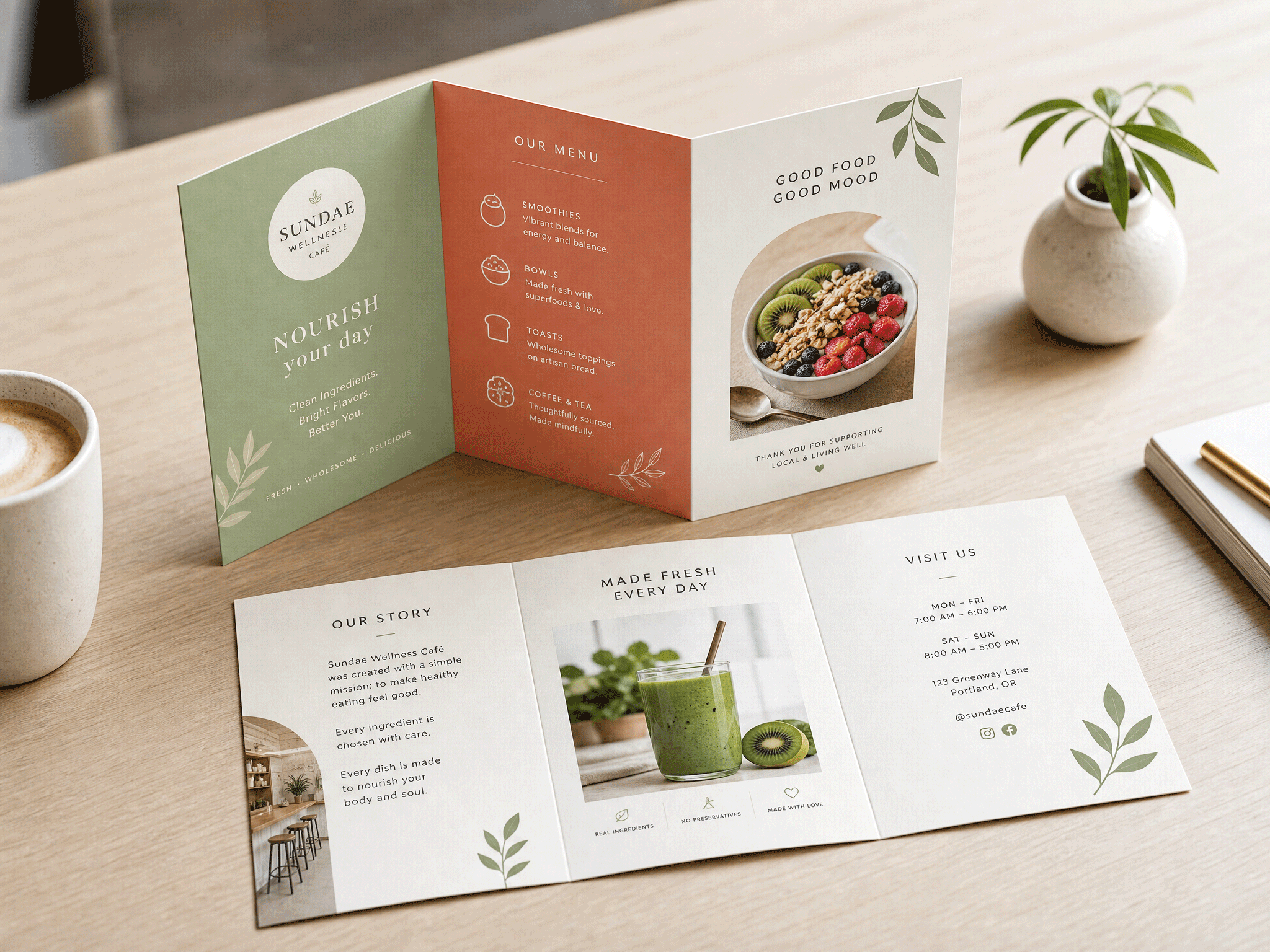
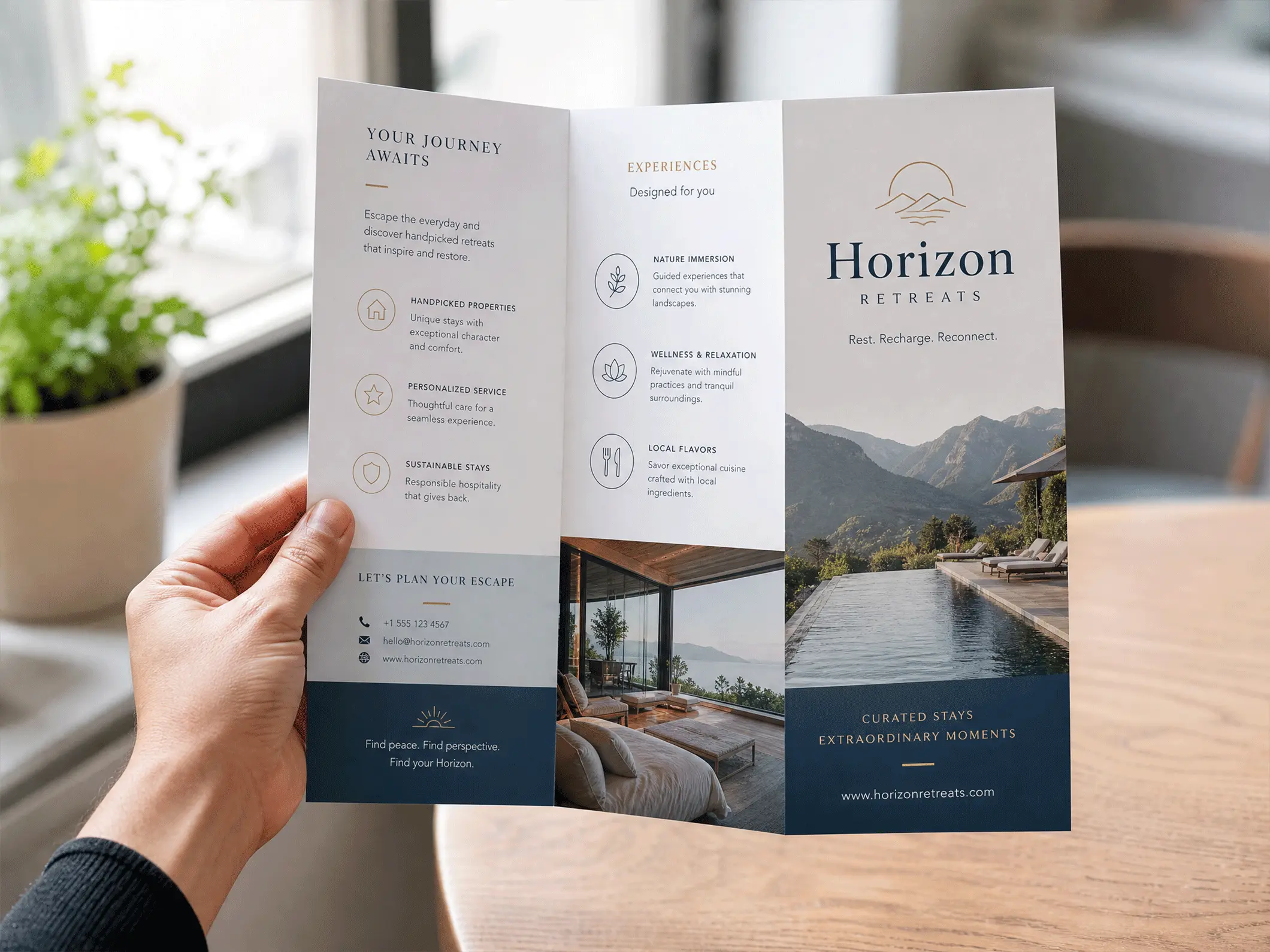
Z-fold brochures are designed for layouts where content needs to flow continuously rather than being divided into separate sections. With an accordion-style fold that creates six connected panels, they allow readers to follow information in a smooth, uninterrupted sequence.
Compared to tri-fold brochures, which guide readers through distinct sections, Z-fold brochures create a more linear reading experience. This makes them especially effective for step-by-step messaging, timelines, product comparisons, or visual storytelling.
The accordion structure also allows the brochure to be partially or fully expanded, making it suitable for both compact handouts and extended visual displays. For simpler, high-volume distribution without structured layouts, custom flyers may be a more efficient option.
If your goal is to present information in a flowing, connected format that encourages continuous reading, Z-fold brochures provide a unique and flexible solution.
When Should You Choose Z-Fold Brochures
Choose Z-fold brochures when your content needs to follow a continuous sequence rather than separate sections. They are ideal for layouts where information builds from one panel to the next without interruption.
If your content is better divided into clear categories, a tri-fold format may be more suitable. But for linear storytelling or guided progression, Z-fold brochures are the better choice.
Common Use Cases for Z-Fold Brochures
Z-fold brochures are widely used for timelines, step-by-step guides, product comparisons, and visual storytelling materials. They are also effective for event programs and marketing materials that benefit from a continuous layout.
Because they can expand fully, they are useful in situations where both compact distribution and extended display are needed.
Understanding the Z-Fold Layout
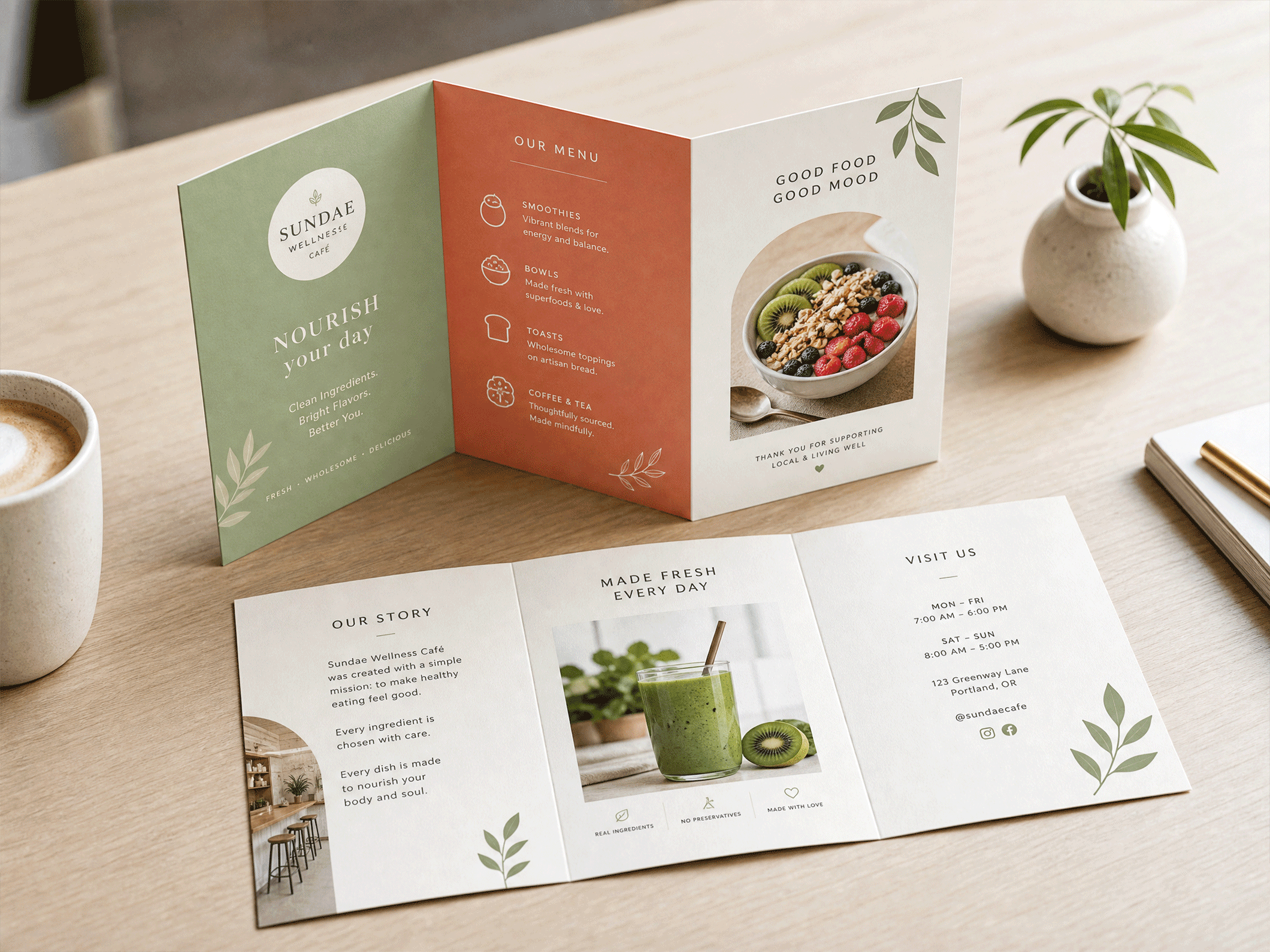
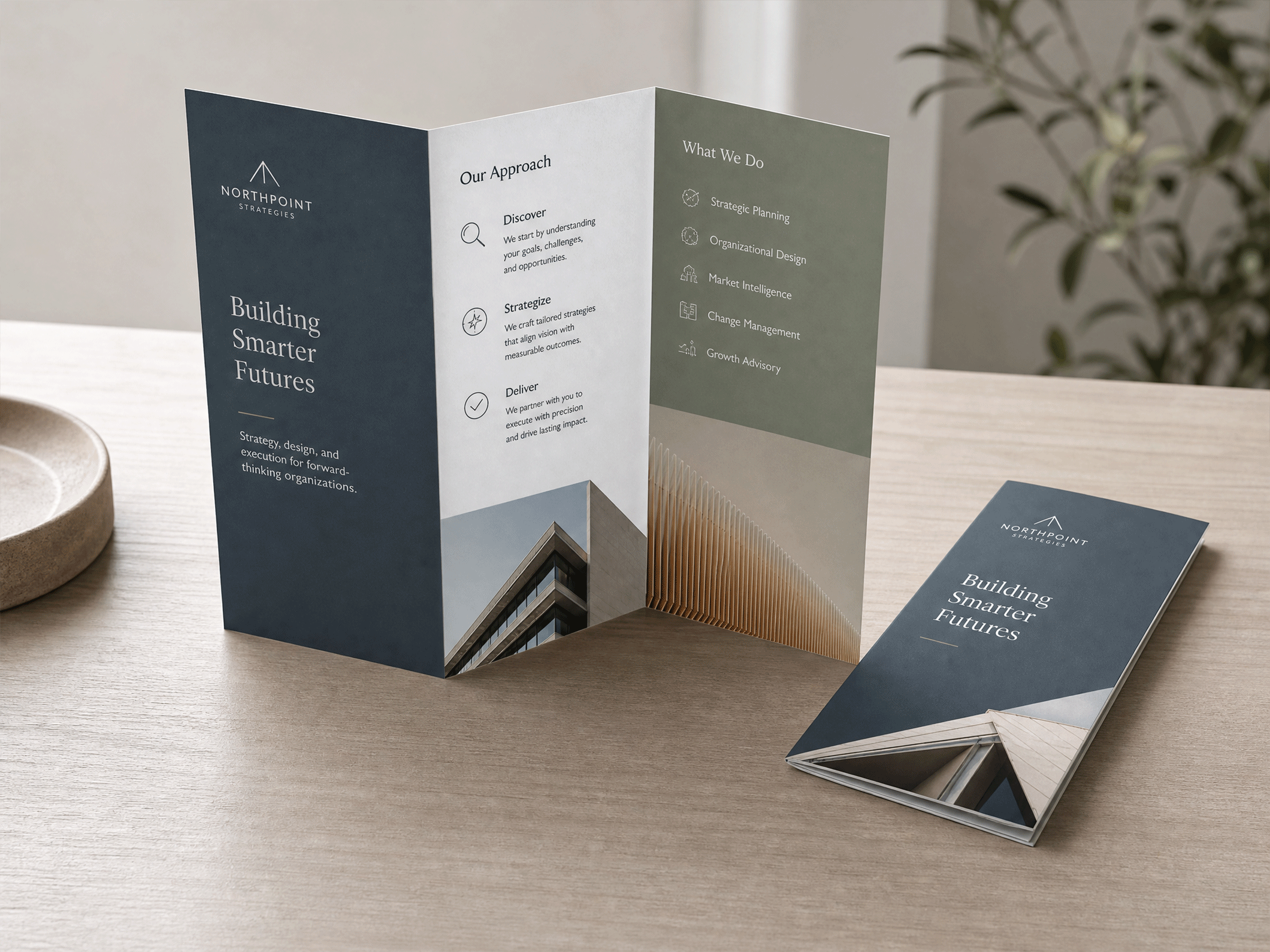
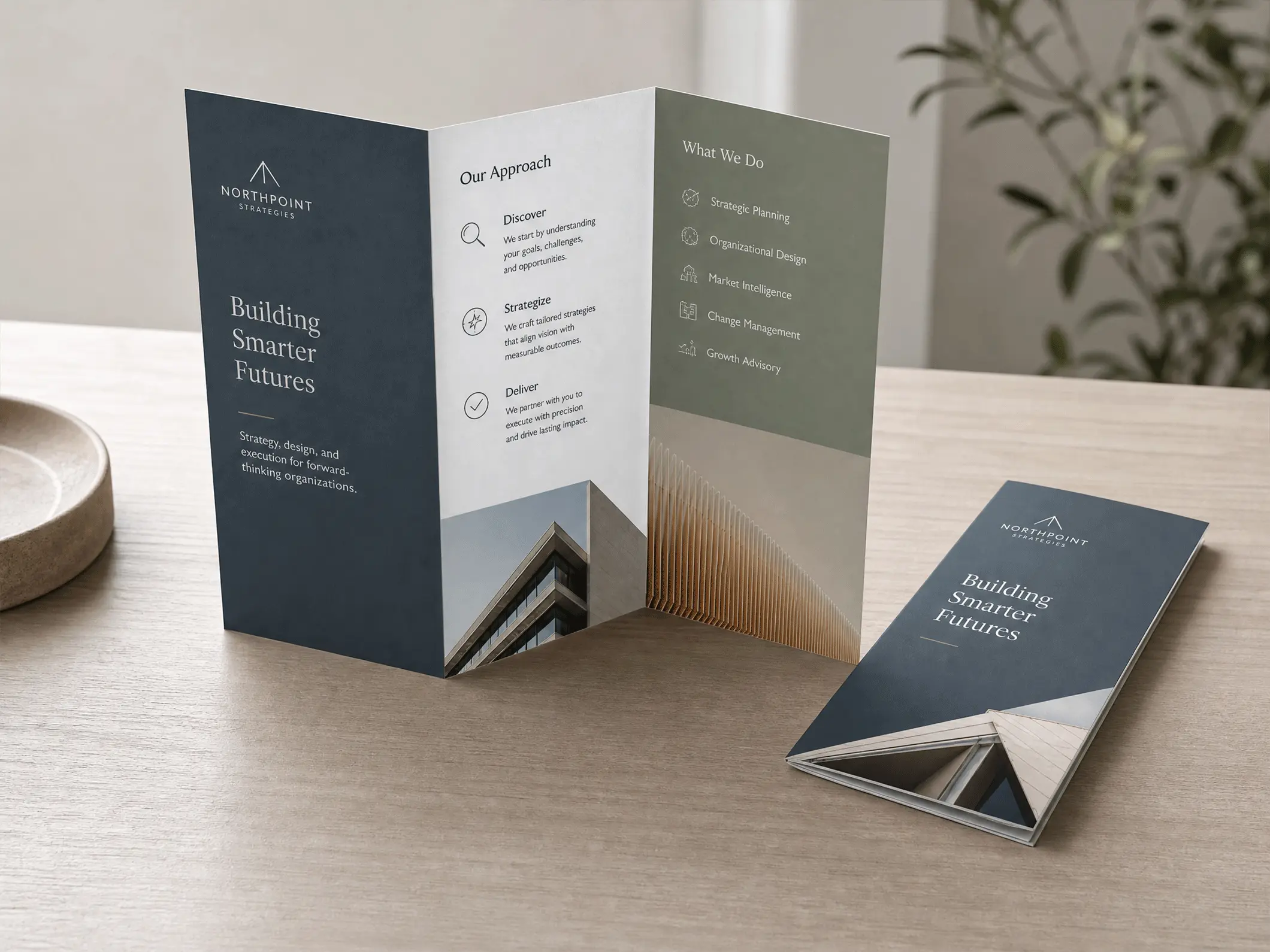
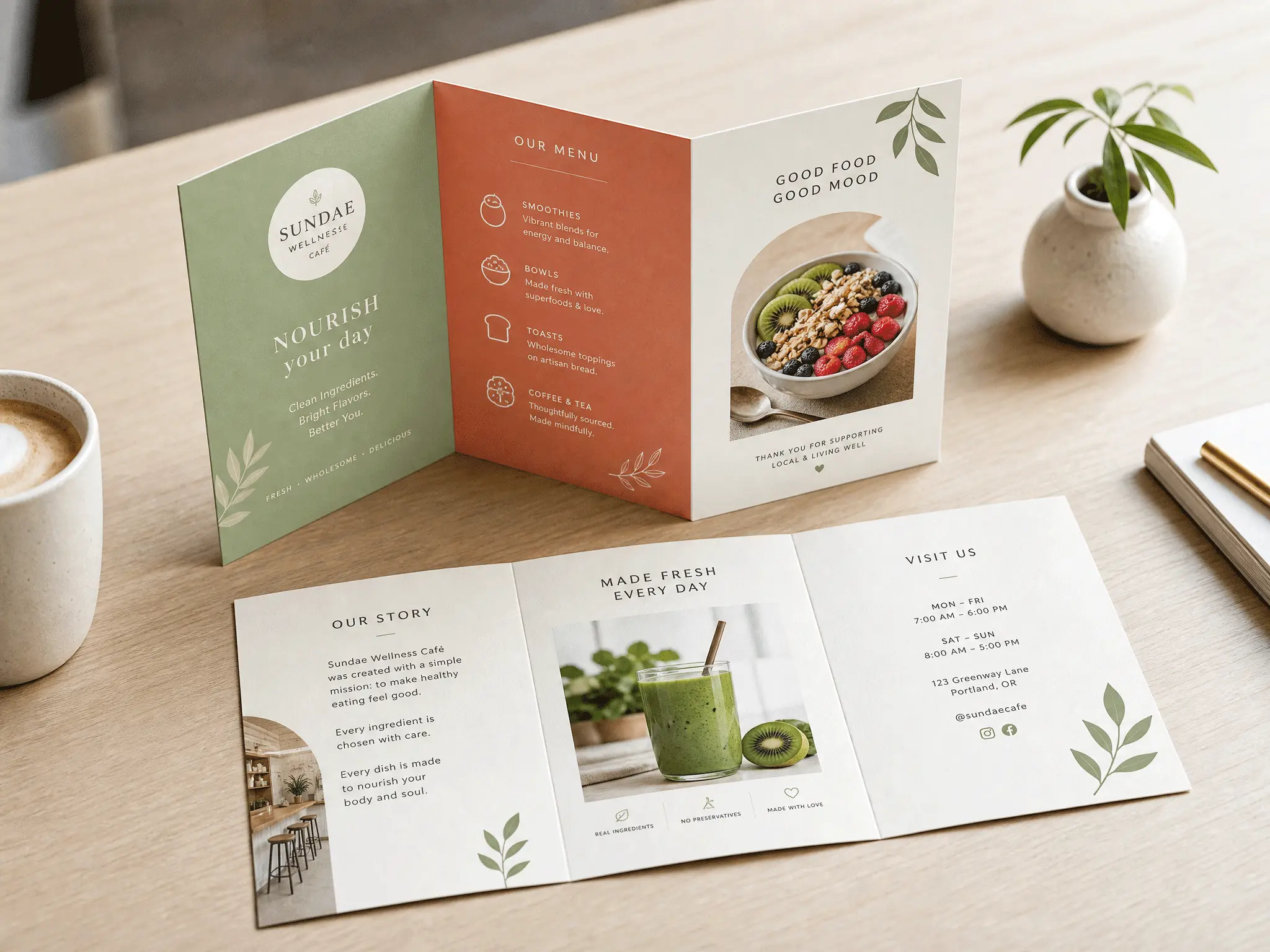
A Z-fold brochure is created by folding a sheet in alternating directions, forming an accordion-style structure with six connected panels. Unlike traditional folds, the panels open in a continuous sequence, allowing content to be viewed progressively.
This structure makes it easier to design layouts that move from one idea to the next without interruption.
Paper Options and Print Considerations
Paper selection affects how the brochure feels and performs when folded and unfolded. Lighter paper stocks are easier to handle and distribute, while heavier options provide more durability and a premium feel.
Gloss finishes enhance visual impact, while matte or uncoated surfaces improve readability and reduce glare. The right choice depends on how the brochure will be used and how frequently it will be handled.
For best results, keep layouts simple with clear hierarchy and strong contrast. Focus on essential details to ensure readability and long-term visibility. If needed, our Design Services can help refine your layout and prepare print-ready files. Design fees can be credited back upon order to help manage costs.
Paper Stock
Choose from a range of flyer paper stocks and finishes to match your design style, print quality, and handling needs.
80 lb. Gloss Paper
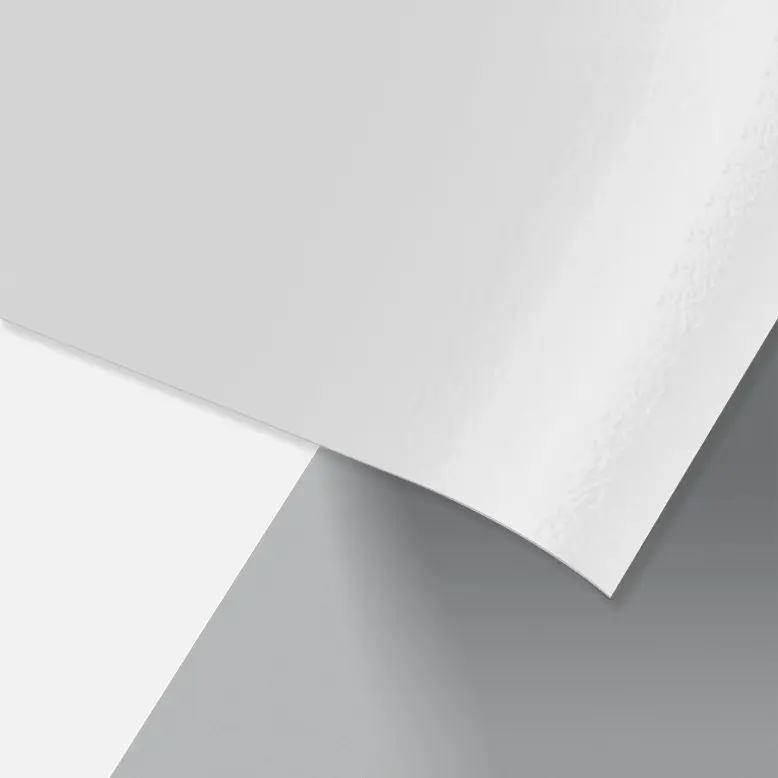
- Smooth gloss coated paper for vibrant color reproduction
- Bright finish enhances images and graphic details
- Medium-weight paper suitable for everyday printing
- 80 lb. paper weight
80 lb. Uncoated Paper
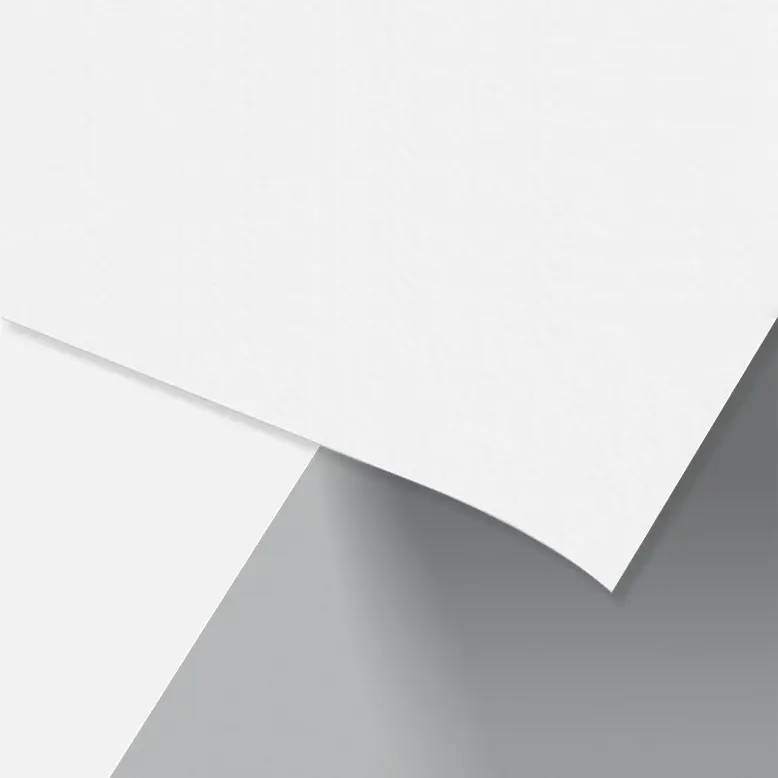
- Natural, uncoated paper stock with a classic paper feel
- Contains a writable surface for notes, signatures, and stamps
- Soft matte appearance with minimal glare
- Medium-weight paper suitable for everyday printing
- 80 lb. paper weight
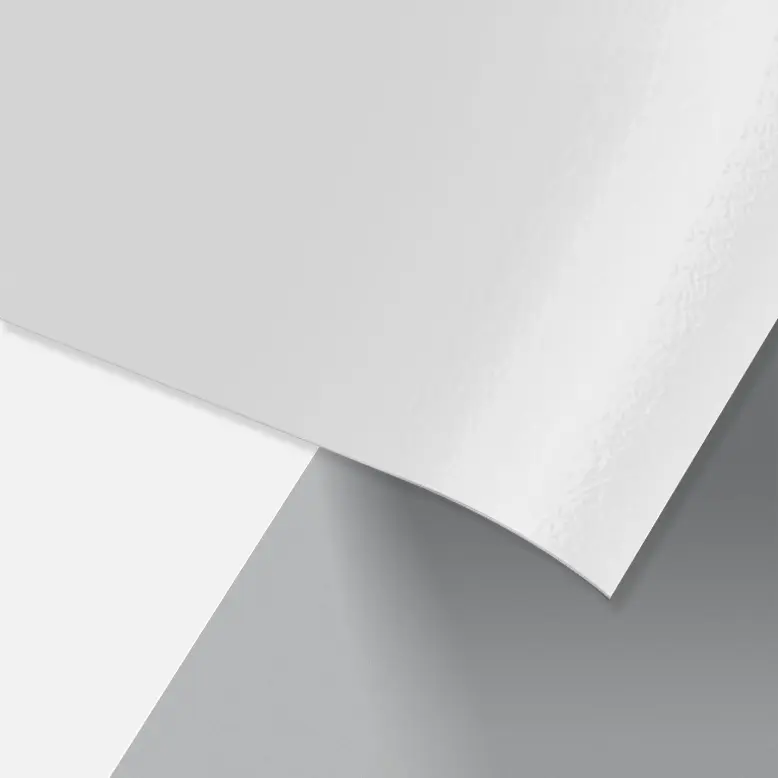
100 lb. Gloss Paper
- Smooth gloss coated paper for vibrant color reproduction
- Bright finish enhances images and graphics
- Heavier-weight paper with a premium feel
- 100 lb. paper weight
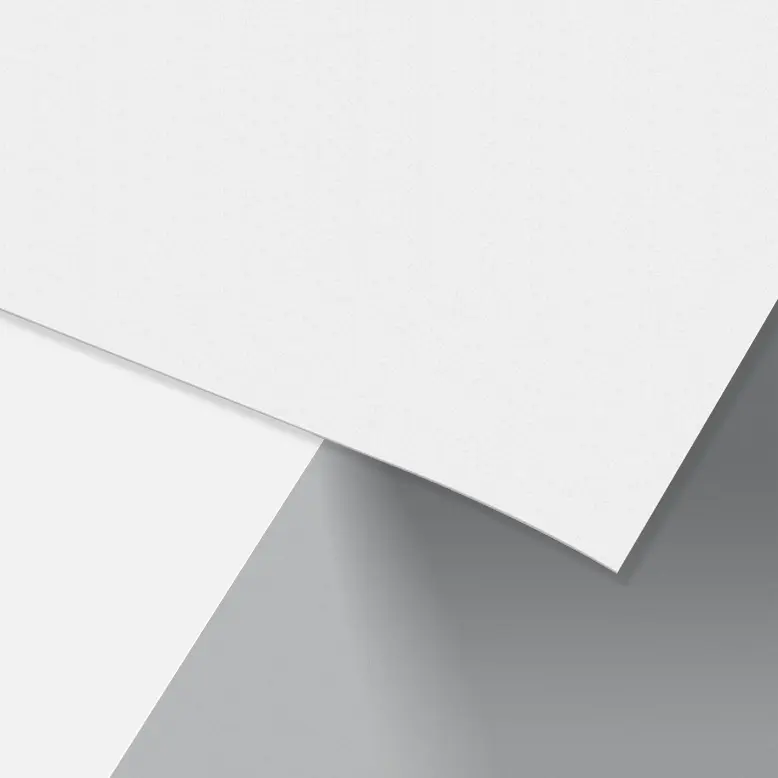
100 lb. Matte Paper
- Smooth matte coated surface with reduced glare
- Soft, professional look for easy reading
- Heavier-weight paper with a refined feel
- 100 lb. paper weight

9 pt. Cardstock Gloss
- Smooth gloss coated surface with vibrant color reproduction
- Bright, polished finish for sharp graphics and images
- Lightweight cardstock feel
- 9 pt. thickness
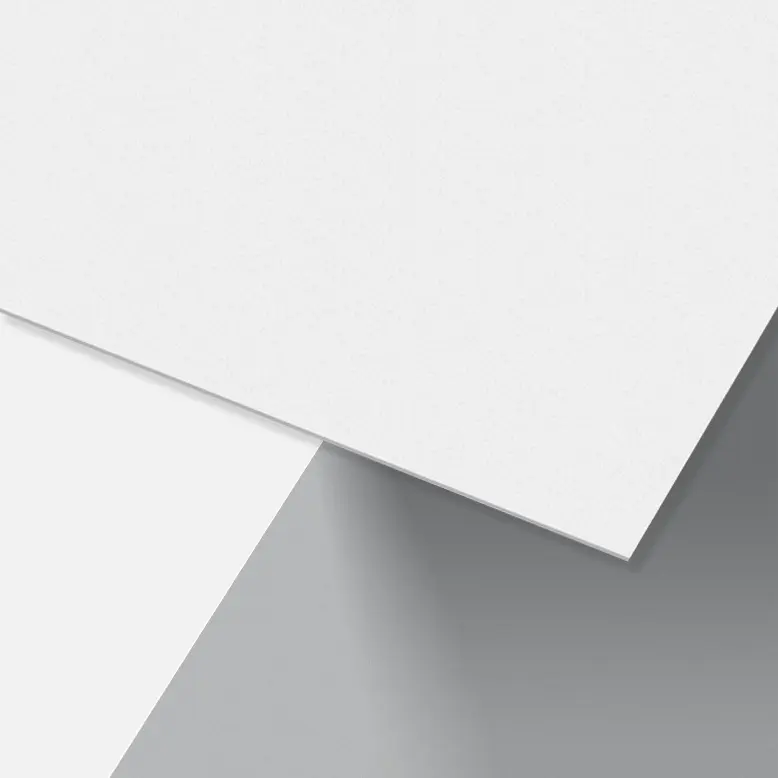
9 pt. Cardstock Matte
- Smooth matte coated surface with reduced glare
- Softens colors for a clean, professional appearance
- Lightweight cardstock feel
- 9 pt. thickness
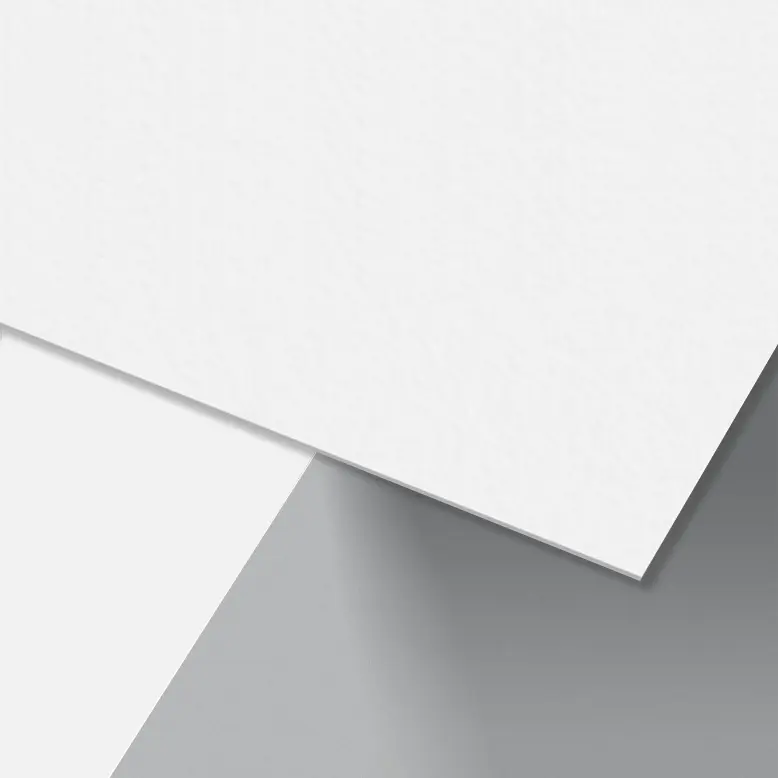
10 pt. Uncoated Cover
- Natural, uncoated paper stock with a clean paper texture
- Contains a writable surface for notes, signatures, and stamps
- Soft matte appearance with minimal glare
- Light-to-medium weight cover stock
- 10 pt. thickness
Unfolded Size
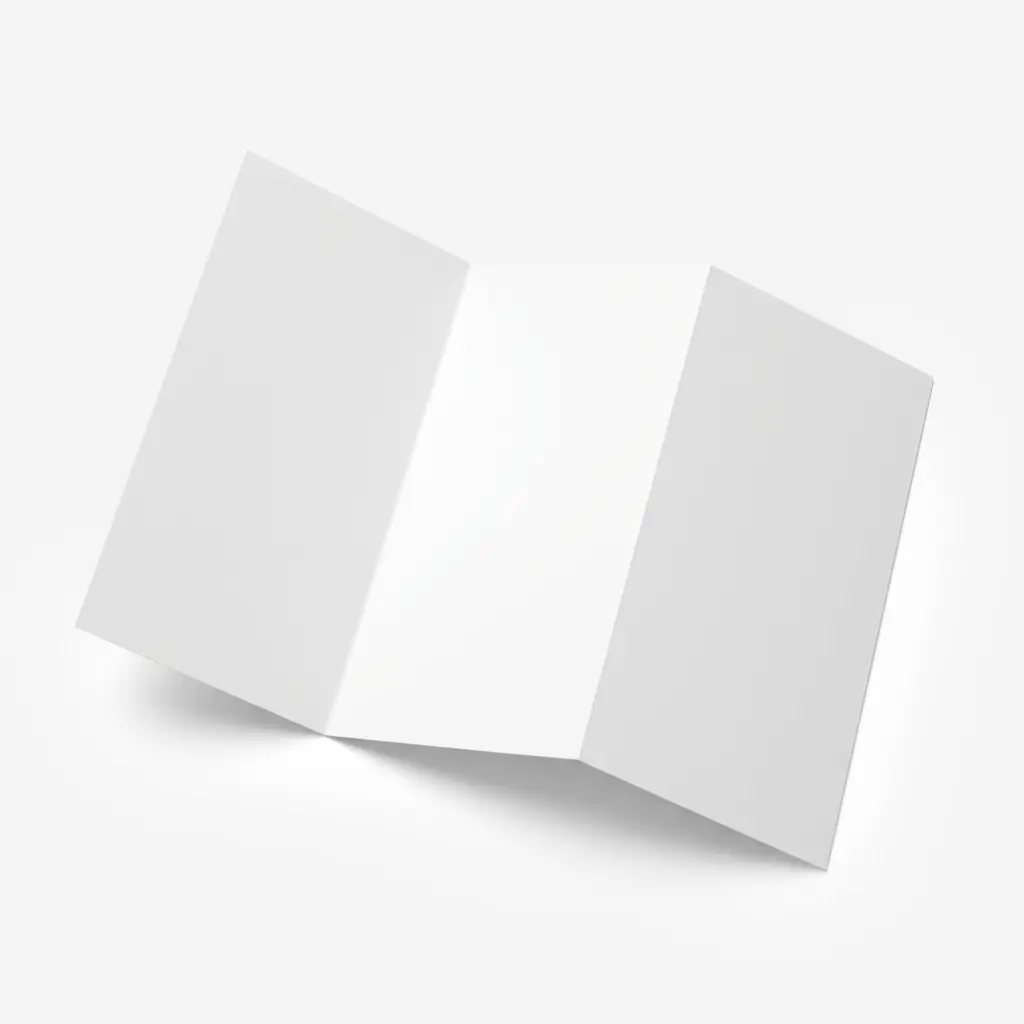
8.5" × 11" Z-Fold Brochure
- Folds to 3.67" × 8.5"
- One of the most common brochure sizes for marketing and informational materials
Six accordion-style panels guide readers through content in a smooth sequence
Ideal for company introductions, service guides, and promotional handouts
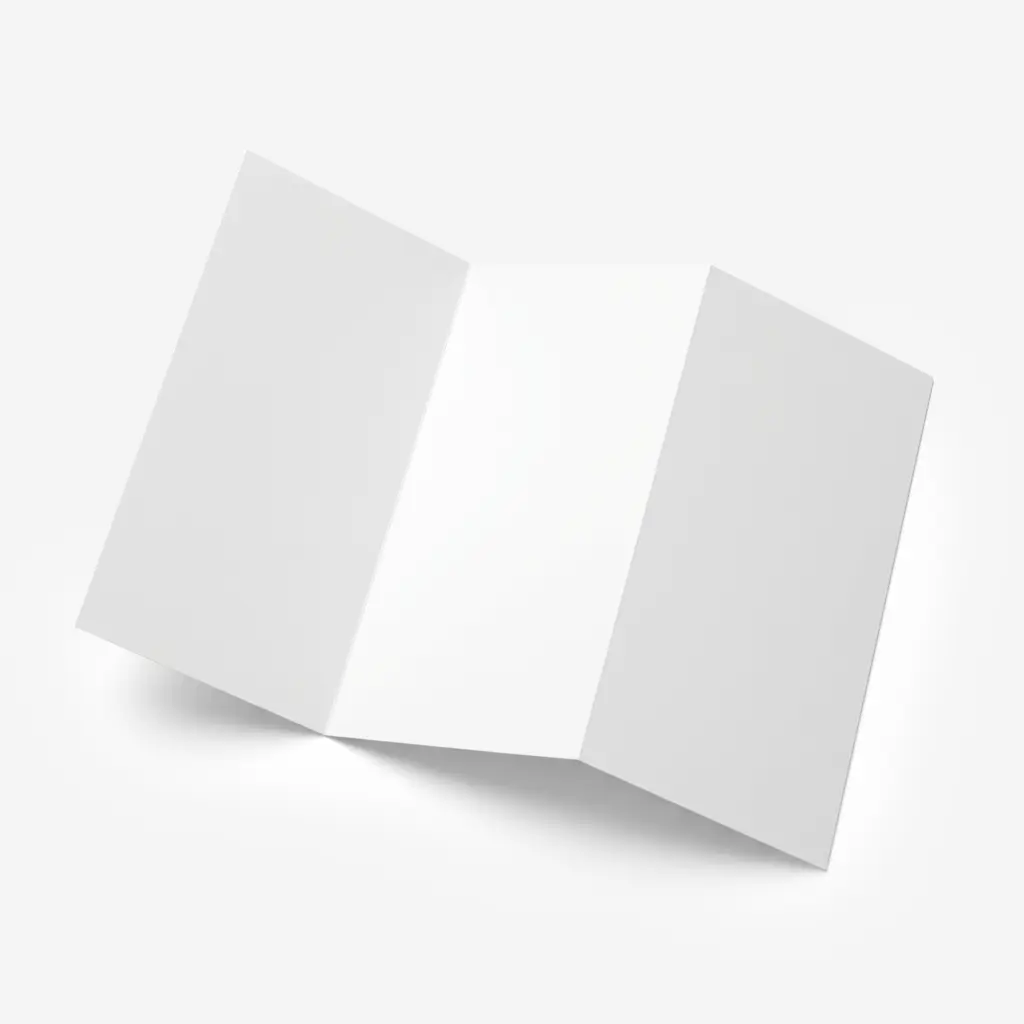
8.5" × 14" Z-Fold Brochure
- Folds to 4.67" × 8.5"
- Extended brochure format that provides additional space for detailed messaging
Accordion-style panels are ideal for step-by-step information or comparisons
Popular for menus, product descriptions, and service explanations
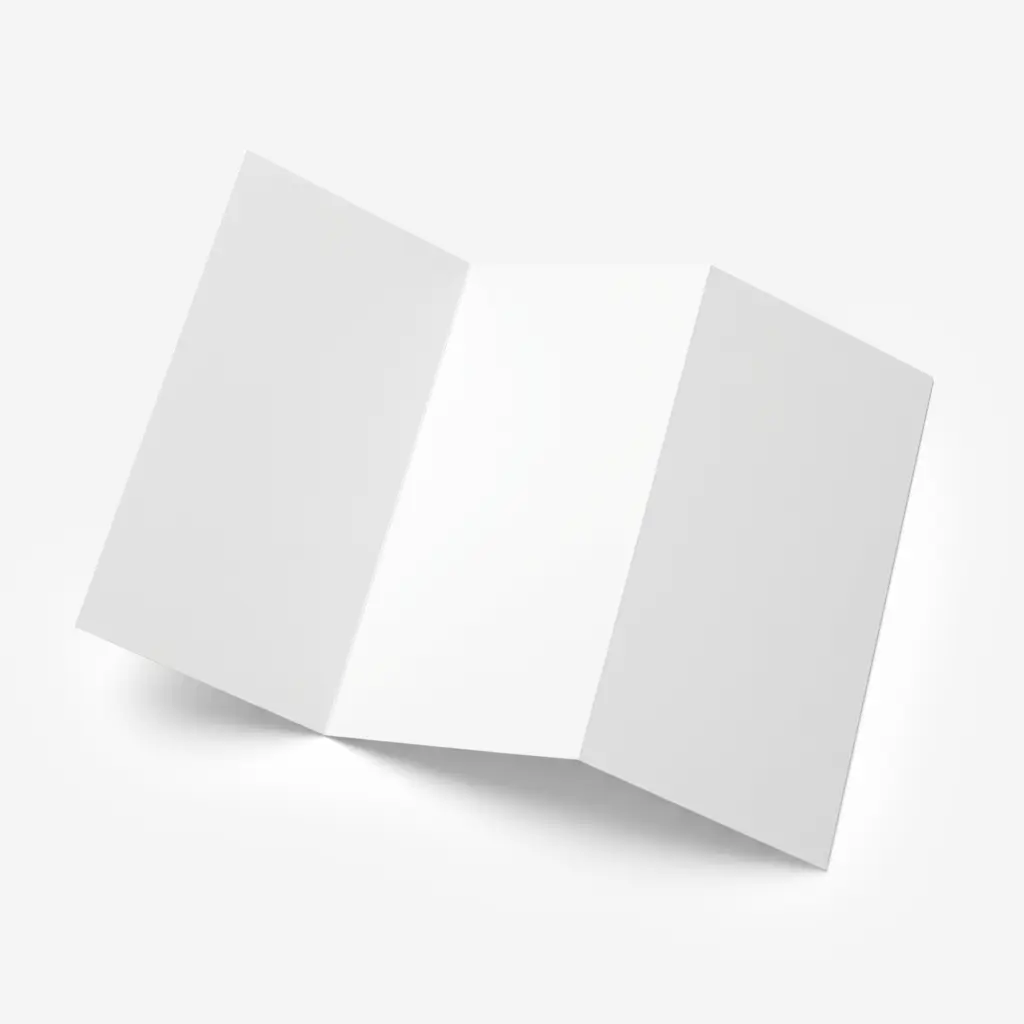
9" × 16" Z-Fold Brochure
- Folds to 5.33" × 9"
- Large-format brochure designed for visually rich marketing presentations
Generous panel space allows detailed graphics, product catalogs, or event guides
Six sequential panels create a structured and engaging reading flow
Z-Fold Brochures Frequently Asked Questions
What is a Z-fold brochure?
How is a Z-fold brochure different from a tri-fold brochure?
What sizes are available for Z-fold brochures?
How many panels does a Z-fold brochure have?
Can Z-fold brochures be printed on both sides?
What are Z-fold brochures commonly used for?
What are the available production times?
Z-Fold Brochures Specs & Templates
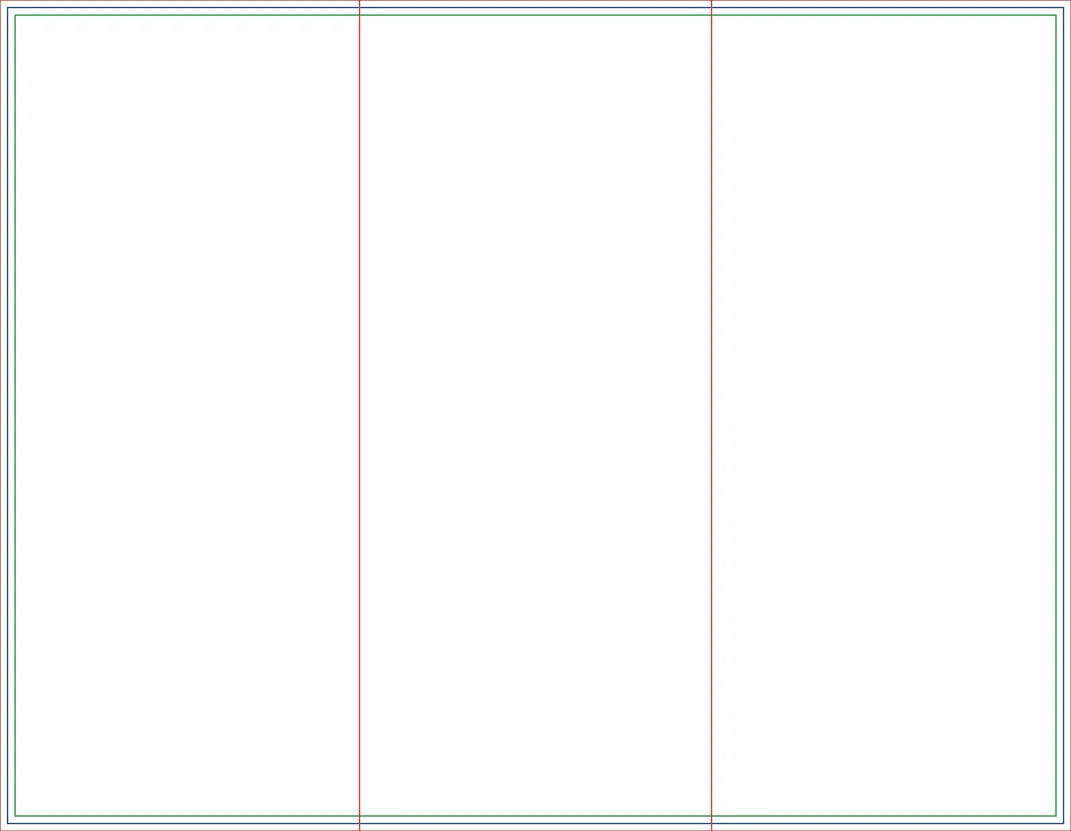
Our production team will remove the guideline lines before printing, and they will NOT appear on the final product.
Template Download
Download the template for your selected size to set up your artwork with the correct bleed, trim, and safety area.
Design Guidelines
Review the design guidelines before uploading your file. They explain artwork setup, bleed, safe area, resolution, color mode, and export requirements.
We believe effective visual communication starts with clarity, responsibility, and thoughtful planning. Our focus is not just on outcomes, but on building a reliable process that delivers consistent results across every order.
By combining efficient production workflows with carefully selected materials, we aim to reduce unnecessary waste while maintaining dependable quality. This approach allows us to support both everyday needs and larger initiatives without introducing complexity or uncertainty.
Early planning plays a key role in how we work. When projects are prepared in advance, production becomes smoother, resources are used more efficiently, and costs stay predictable. This mindset helps create better results for everyone involved.
From initial setup to final delivery, we prioritize transparency, consistency, and support. Our goal is to make each step clear and manageable, so expectations are aligned and outcomes remain dependable.
At every stage, we focus on building long-term trust through practical decisions, steady execution, and a commitment to responsible production.